

What Is Inland Marine Insurance & Do You Need It?
Let’s be honest, the name is a bit of a head-scratcher. Despite what it sounds like, inland marine insurance has absolutely nothing to do with boats or water. It’s actually a historical term for one of the most important and flexible coverages your business can have. This policy protects your valuable property, equipment, and tools while they are in transit over land or stored away from your main location. It fills a critical gap that standard commercial property insurance leaves wide open, giving you peace of mind for any business assets on the move.
Need an inland marine insurance quote? Request a free property insurance quote or call Insurance Underwriters at 305-900-2823 to speak with a risk advisor about protecting your mobile business assets.
In this comprehensive guide, we cover everything business owners need to know about inland marine insurance: what it is, what it covers, how it differs from ocean marine and commercial property insurance, who needs it, how much it costs, and real claims examples that show why this coverage matters. Learn more about umbrella insurance.
What Is Inland Marine Insurance?
Inland marine insurance is a specialized form of commercial property insurance designed to cover movable business property. This includes equipment, tools, materials, inventory, and specialized items that travel between locations or are stored somewhere other than your main business premises.
The term “inland marine” dates back to the origins of marine insurance, which protected cargo transported by ship. As commerce expanded and goods moved over land by truck and rail, insurers developed a parallel product to cover property in transit on land. The “marine” label stuck, even though modern inland marine policies have nothing to do with boats or waterways.
Standard commercial property insurance covers your building, equipment, and inventory at your fixed business address. Once those assets leave your premises, whether headed to a job site, a trade show, a warehouse, or a customer’s location, your commercial property policy may no longer protect them. Inland marine insurance fills that gap by following your property wherever your business takes it.
Think of it as a “floater” policy. Instead of being tied to a single address, it moves with your assets, providing coverage on the road, at temporary storage locations, at job sites, and anywhere in between.
What Does Inland Marine Insurance Cover?
Inland marine insurance covers a broad range of movable property and specialized assets. The specific coverage depends on your policy type and the endorsements you select, but most inland marine policies protect the following categories.
Protecting Your Tools on the Move
This is the core of inland marine coverage. Any business property being transported over land by truck, van, rail, or other ground transportation is covered against damage, theft, and loss. This applies whether you are using your own vehicles or a third-party carrier.
For contractors who load tools into a work truck every morning and drive to different job sites, inland marine insurance protects those tools from the moment they leave the shop until they return. If your equipment is stolen from your truck overnight or damaged in a vehicle accident, inland marine pays to repair or replace it.
Coverage for Your Contractor’s Equipment
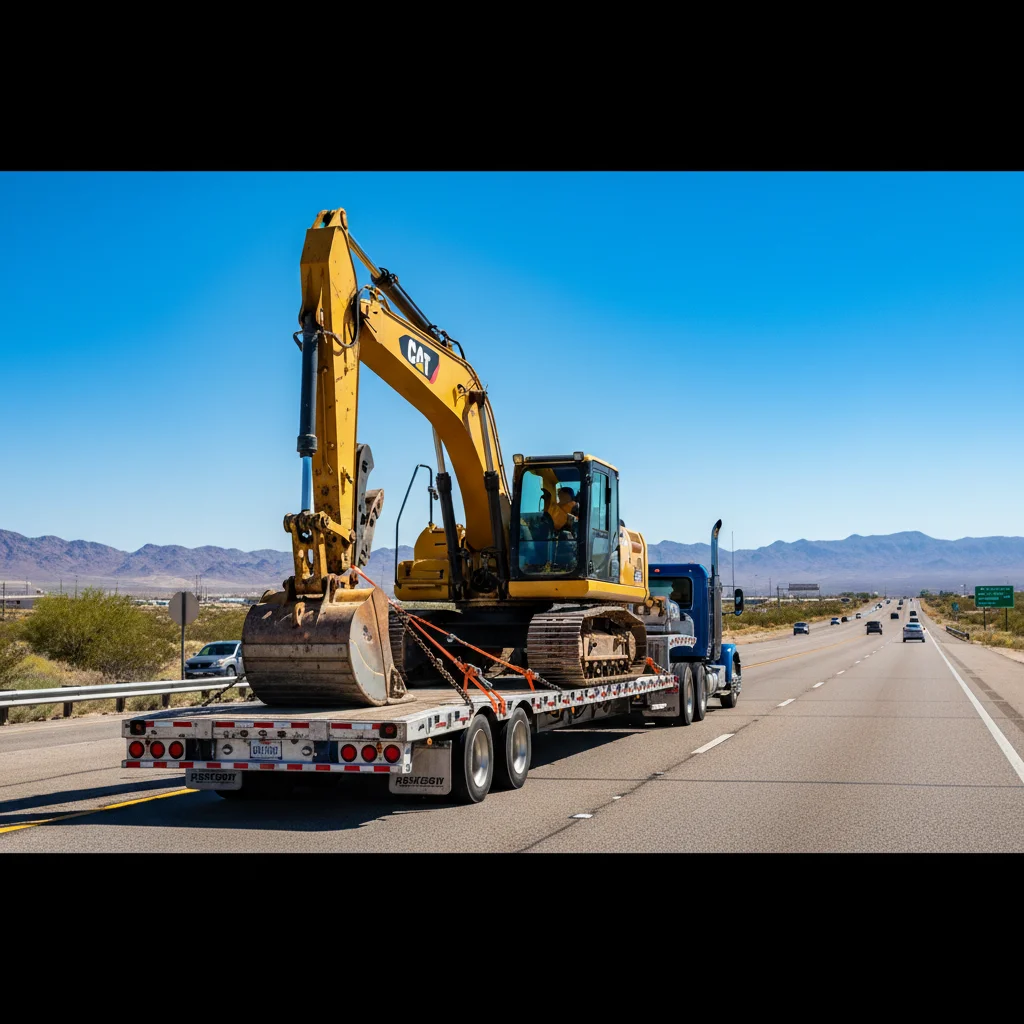
Contractors equipment coverage, sometimes called a contractors equipment floater, is one of the most common forms of inland marine insurance. It specifically covers heavy machinery, power tools, hand tools, scaffolding, and other construction equipment that moves between job sites.
This coverage protects against theft, vandalism, fire, collision damage during transport, and weather-related losses. For construction companies that rely on equipment worth tens or hundreds of thousands of dollars, this is not optional coverage. A single piece of stolen heavy equipment can cost $50,000 to $200,000 or more to replace.
Contractors equipment coverage often extends to rented or leased equipment as well, which is important because rental agreements typically require the lessee to carry insurance on the equipment while it is in their possession.
Covering Materials During Installation
An installation floater covers materials, equipment, and fixtures from the moment they leave your premises or a supplier’s location until they are fully installed and accepted by the customer. This is essential for businesses involved in construction, renovation, HVAC installation, electrical work, and similar trades.
For example, if you are an HVAC contractor transporting a $15,000 commercial air conditioning unit to a job site, an installation floater covers that unit during transport, while it sits on the job site waiting for installation, and through the installation process until the customer signs off. Without this coverage, a fire or theft at the job site before installation is complete could leave you responsible for the full replacement cost.
Builders risk insurance covers the building under construction, but it does not always cover the materials and equipment you are bringing to the project. An installation floater addresses that specific gap.
Protecting Computers and Tech Gear
EDP coverage protects computers, servers, networking equipment, point-of-sale systems, and other electronic business equipment. Standard commercial property policies often provide limited coverage for electronics, and they may not cover equipment that travels with employees or is stored at temporary locations.
Businesses that provide mobile IT services, trade show exhibitors who transport electronics between events, and companies with employees who carry laptops and tablets to client sites all benefit from EDP inland marine coverage.
Coverage for Property Stored Off-Site
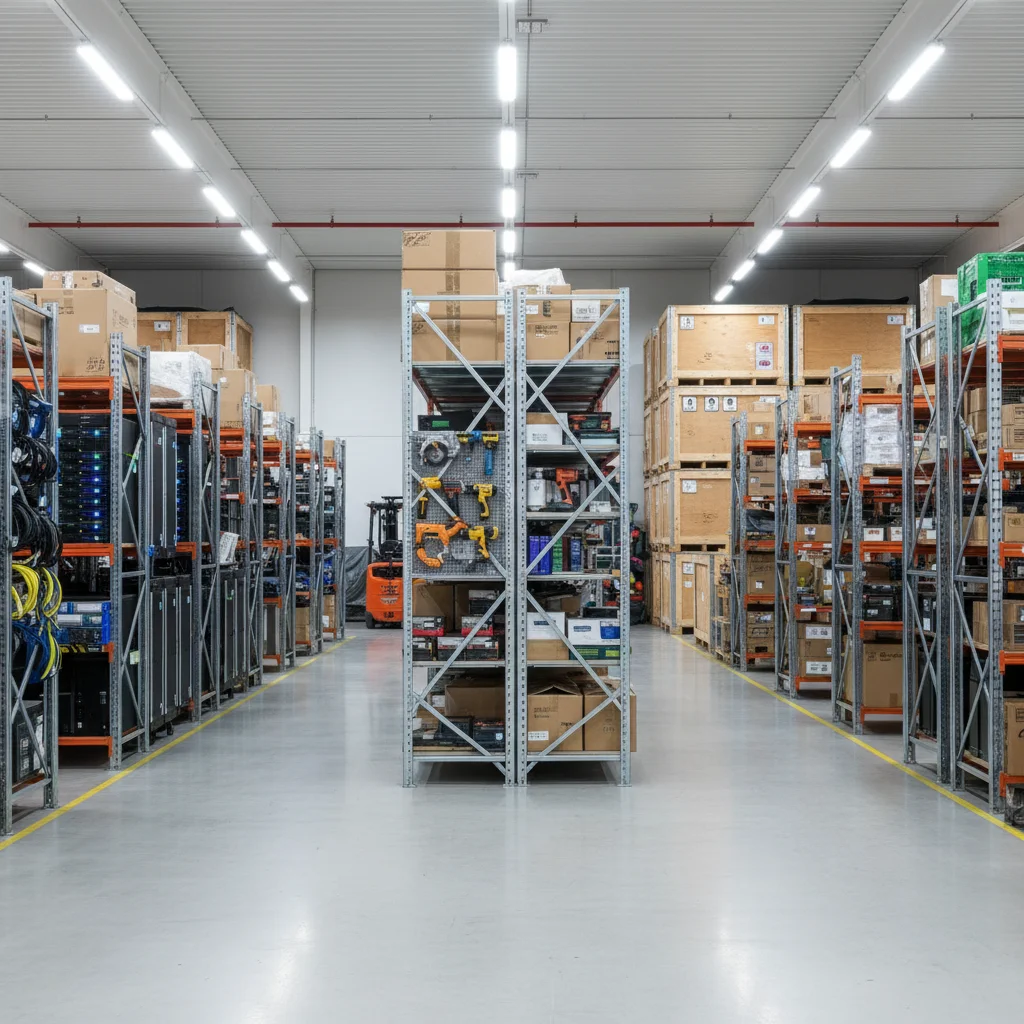
Inland marine insurance covers business property stored at locations other than your primary premises. This includes equipment in a rented warehouse, inventory at a distribution center, tools locked in a storage unit, and materials held at a staging yard before transport to a job site.
Protecting Customer Property in Your Care (Bailee Coverage)
If your business holds, repairs, stores, or transports property belonging to your customers, bailee coverage protects those items while they are in your care, custody, or control. This is critical for businesses like repair shops, dry cleaners, warehouses, art restorers, and any service provider that temporarily possesses a customer’s property.
Insuring High-Value and Specialized Items
Inland marine policies can be tailored to cover highly specialized property that does not fit neatly into standard commercial property categories. This includes:
- Fine art and collectibles
- Musical instruments and sound equipment
- Medical and scientific equipment
- Camera and film production gear
- Survey and engineering instruments
- Signs and outdoor displays
- Vending machines and ATMs at third-party locations
Considering inland marine coverage for your business? Contact Insurance Underwriters or call 305-900-2823 to discuss your specific equipment and coverage needs with a licensed advisor.
Specialized, Large-Scale, and Renewable Energy Property
Beyond tools and installation materials, inland marine insurance is incredibly flexible, offering tailored protection for unique and high-value assets that don’t fit into a standard property policy. Think of it as the go-to coverage for anything specialized that moves or is located off-site. Inland marine policies can be written to cover a wide array of items, including fine art, musical instruments, medical and scientific equipment, and even vending machines or ATMs placed at third-party locations. This adaptability makes it an essential risk management tool for businesses with unconventional or hard-to-insure property, ensuring that your most specific and valuable assets are protected no matter where they are.
Bridges, Radio Towers, and Communication Equipment
Large-scale infrastructure like bridges, radio towers, and communication equipment presents a unique insurance challenge. These assets are stationary but are often located in remote or exposed areas, making them vulnerable to risks like severe weather, vandalism, or collision. Standard property insurance is rarely adequate for such specialized structures. Inland marine policies can be specifically designed to cover this type of property, with some insurers offering coverage tailored for specialized equipment like communication towers and bridges. This protects your investment against physical loss or damage and helps ensure operational continuity for your business.
Renewable Energy Equipment
The green energy sector is growing, and the assets involved—like solar panels and wind turbines—come with their own set of risks. This equipment is often installed in vast, open areas, leaving it exposed to lightning, hail, wind, and theft. An inland marine policy can provide the specialized protection these investments require. This coverage can apply during transit to the installation site, while awaiting installation, and once they are operational. By securing a policy that understands the specific vulnerabilities of renewable energy projects, you can safeguard these high-value assets against the unique perils they face.
Trade Show Displays and Exhibition Booths
If your company invests in trade shows, you know that your exhibition booth is a significant asset. These displays are expensive to create and are constantly on the move—shipped across the country, stored in warehouses, and set up in convention centers. Standard property insurance won’t cover your booth once it leaves your premises. This is a perfect scenario for inland marine insurance, which is designed to protect valuable trade show booths that travel frequently and are often in the care of others. It covers your display during transit and while it’s at the event, protecting you from financial loss if it’s damaged or stolen.
Is Inland Marine Insurance Right for Your Business?
Any business that regularly moves property away from its primary location or stores valuable assets off-site should consider inland marine insurance. The following industries and business types are the most common purchasers of this coverage.
Construction and Contracting Professionals
Construction is the single largest market for inland marine insurance. General contractors, specialty subcontractors, electricians, plumbers, HVAC technicians, roofers, and other trades all depend on tools and equipment that travel to job sites daily. Between the heavy equipment on trailers, power tools in work trucks, and materials stored at active construction sites, a typical construction company has hundreds of thousands of dollars in mobile assets at any given time.
Florida contractors face particular exposure because job sites are often open to weather, theft, and vandalism. Hurricane season adds another layer of risk for materials and equipment stored at outdoor construction sites.
Tech Companies and IT Providers
IT consultants, managed service providers, and technology companies that deploy equipment at client locations need inland marine coverage for servers, networking hardware, laptops, and diagnostic tools that travel between sites.
Healthcare and Medical Equipment Suppliers
Companies that deliver, install, or service medical equipment, as well as mobile healthcare providers who carry diagnostic instruments, benefit from inland marine coverage for high-value medical devices in transit.
Food Trucks, Caterers, and Event Planners
Event-based businesses transport expensive equipment, including commercial kitchen appliances, sound systems, lighting rigs, tents, and staging materials, to different venues regularly. Inland marine protects these assets on the road and at event locations.
Manufacturers and Distributors
Companies that ship inventory or raw materials by truck or rail need transit coverage for goods moving between facilities, warehouses, and customers.
Photographers, Artists, and Other Creatives
Photographers with camera equipment, musicians with instruments, and artists transporting work to galleries or shows carry valuable portable property that standard policies may not adequately cover.
Museums, Galleries, and Art Dealers
For businesses handling fine art and collectibles, standard property insurance often falls short. The value of these items isn’t just monetary; it’s cultural and historical, making their protection a top priority. Inland marine policies can be specifically tailored to cover this unique property, which is crucial because art is rarely static. It moves between galleries for exhibitions, to buyers after a sale, or to restorers for care. Each transit introduces risk that a typical policy won’t cover. An inland marine policy, often called fine art coverage, protects these valuable pieces during transport and while on display at temporary locations, ensuring your most precious assets are secure no matter where they are.
Mobile Equipment Dealers
Mobile equipment dealers operate a business model where their most valuable assets are constantly on the move. Whether you’re transporting machinery to a buyer, a construction site, or a rental client, your inventory is exposed to risks far beyond your primary business location. Inland marine insurance is designed for this exact scenario. It protects your valuable equipment from theft, fire, weather damage, and other perils while it’s in transit or stored at a temporary site. This coverage fills a critical gap left by standard commercial property policies, ensuring the machinery that drives your revenue is protected wherever it goes.
Inland Marine vs. Ocean Marine: What’s the Difference?
The distinction between inland marine and ocean marine insurance is straightforward. Ocean marine insurance covers goods, cargo, and vessels while they are on navigable waterways, including international shipping routes. Inland marine insurance covers property transported over land or stored on land.
If your business ships goods internationally by container ship, you need ocean marine (cargo) insurance for the maritime leg of the journey. Once that cargo arrives at port and moves onto trucks or rail for domestic delivery, inland marine coverage takes over for the land-based portion of the transit.
For businesses that only transport property over land, which is the vast majority of companies that need this coverage, ocean marine insurance is not relevant. Your boat insurance or watercraft policy covers vessels on the water. Inland marine covers your business property on land.
The Four Main Types of Ocean Marine Coverage
Ocean marine insurance isn’t a single policy but a collection of coverages that can be combined to protect different aspects of a maritime venture. Understanding these components is the first step to building a policy that fully protects your assets, cargo, and financial interests. Most policies are built around four core types of coverage.
Hull Insurance
Think of hull insurance as the commercial property insurance for your ship. It provides physical damage coverage for the vessel itself, including its machinery, equipment, and even the fuel on board. If the ship is damaged by a storm, fire, collision, or other covered peril, hull insurance pays for the repairs. For businesses that own and operate their own vessels, from fishing boats to transport ships, this coverage is fundamental. It protects what is often the most valuable physical asset involved in your marine operations, ensuring a catastrophic event doesn’t sink your entire investment.
Cargo Insurance
While hull insurance protects the ship, cargo insurance protects what’s inside it. This coverage is written separately and protects the owner of the goods for loss or damage to shipments during transit. If you are a manufacturer, distributor, or retailer involved in international trade, this is your safety net. Whether your container of electronics is lost at sea or your shipment of perishable goods is spoiled due to a refrigeration failure, cargo insurance helps you recover the financial loss. It ensures that your revenue isn’t dependent on a shipment’s safe arrival, protecting your bottom line against the inherent risks of global shipping.
Freight Insurance
Freight insurance is a more specialized coverage that protects the shipping company’s financial interest in the voyage. It covers the loss of the freight charges—the fee paid to transport the cargo—if the goods are lost or damaged and cannot be delivered. If the cargo owner doesn’t have to pay the shipping fee because their goods never arrived, the shipping company loses that revenue. Freight insurance reimburses the vessel owner for this lost income, ensuring they get paid for the job even if it couldn’t be completed due to a covered loss.
Liability Insurance (Protection & Indemnity)
Protection & Indemnity (P&I) insurance is the general liability coverage for ship owners. It provides liability protection for injury to people or damage to the property of others caused by the negligence of the vessel’s owner or crew. This could include collisions with other ships, damage to docks or piers, causing pollution, or injuries to crew members, passengers, or the public. P&I is one of the most complex areas of marine insurance, and structuring the right coverage is critical. Working with an experienced risk advisor ensures your policy addresses all potential liabilities, from crew-related claims to environmental responsibilities.
Classic Marine Policy Structures
Beyond the types of coverage, ocean marine policies are also defined by how and when they apply. The structure of your policy determines whether you’re covered for a single trip or over a longer period. Choosing the right structure depends entirely on your business operations and shipping frequency.
Voyage Policy
A voyage policy is exactly what it sounds like: it covers a single, specific trip from one port to another. The coverage begins when the ship leaves the port of origin and ends upon its arrival at the destination. This structure is ideal for businesses that ship goods infrequently or have a one-off project that requires marine transport. It allows you to purchase coverage on an as-needed basis without committing to a long-term policy, providing a straightforward way to insure a specific shipment.
Time Policy
For businesses with regular, ongoing shipping needs, a time policy is much more efficient. This policy provides coverage for a set duration, typically one year, and covers all voyages undertaken during that period. Instead of securing a new policy for every shipment, you have continuous protection in place. This simplifies administration and can be more cost-effective for companies with a high volume of marine transit, offering a predictable insurance cost for your fiscal year and ensuring no shipment is accidentally left uninsured.
Valued Policy
A valued policy is one where you and the insurer agree on the value of the insured property—whether it’s the hull or the cargo—at the time the policy is written. This agreed-upon amount is what the insurer will pay out in the event of a total loss, regardless of the property’s market value at the time of the loss. This structure provides certainty and is particularly important for insuring unique or high-value items, custom vessels, or cargo whose value might be difficult to determine after a loss has occurred.
Floating Policy
A floating policy, or open cargo policy, offers the most flexibility for frequent shippers with variable needs. It provides broad coverage for all of a company’s shipments over a specified period, without needing to declare the specifics of each shipment in advance. You simply report each shipment as it occurs, and it’s automatically covered under the policy’s terms. This is perfect for businesses with complex supply chains and frequent shipments to various destinations, as it streamlines the insurance process and ensures continuous coverage for all goods in transit.
Inland Marine vs. Commercial Property: Which Policy Do You Need?
This is one of the most important distinctions for business owners to understand, because it is the primary reason inland marine insurance exists.
Commercial property insurance protects your business assets at a fixed, scheduled location, typically your office, warehouse, store, or facility. It covers the building, your business personal property inside, and sometimes outdoor fixtures like signs and fences. If a fire damages your office and destroys your computers, commercial property insurance pays.
But the moment those assets leave your premises, coverage becomes limited or nonexistent. Commercial property policies typically include a small off-premises coverage extension, but the limits are usually inadequate for businesses that routinely move significant property. Most commercial property policies cap off-premises coverage at $5,000 to $10,000, which would not come close to covering a contractor’s equipment trailer or a technology company’s servers in transit.
Inland marine insurance removes that location restriction. It is specifically designed to cover property that moves, travels, or is stored away from your main address. The two policies complement each other: commercial property protects your fixed-location assets, and inland marine protects everything that leaves.
A business owners policy (BOP) bundles commercial property with general liability and business interruption coverage, but BOPs also have limited off-premises protection. If you have significant mobile assets, you need inland marine coverage in addition to your BOP or standalone commercial property policy.
Common Types of Inland Marine Policies
Inland marine insurance is not a one-size-fits-all product. Policies are structured around specific property types and risk profiles. The most common policy types include:
Contractors Equipment Floater
Covers owned and leased construction equipment, tools, and machinery. Can be written on a scheduled basis (specific items listed with values) or blanket basis (covering all equipment up to a total limit).
Installation Floater
Covers materials and equipment during transport to a job site and through the installation process until the customer accepts the completed work.
Builders Risk Policy
While technically a separate coverage line, builders risk is closely related to inland marine. Builders risk insurance covers a building under construction and the materials incorporated into it, while an installation floater covers the items you are bringing to install.
Transit Policy
Covers goods and inventory while being shipped by truck, rail, or other land-based transportation. Can be written to cover a single shipment or all shipments during a policy period.
Bailee Customer Goods Policy
Covers property belonging to your customers while in your care, custody, or control. Essential for repair shops, storage facilities, and service businesses.
Motor Truck Cargo Policy
If your business transports goods for others, a motor truck cargo policy is non-negotiable. This coverage specifically protects your customers’ property while it is in your truck or trailer during transit. Think of it as a specialized form of bailee coverage for the transportation industry. For example, if you operate a delivery service and the cargo you are hauling is damaged in an accident or stolen from your vehicle, this policy covers the value of those goods. It ensures you can make your client whole without paying out of pocket, protecting both your finances and your business reputation. Standard commercial auto or property policies will not cover the customer goods you are paid to transport, making this a critical policy for any for-hire trucking or delivery operation.
Exhibition and Fine Art Floater
For businesses and individuals who own, display, or transport high-value items, an exhibition and fine art floater provides essential protection. This specialized policy covers valuable pieces like paintings, sculptures, and collectibles against damage or theft. What makes it unique is that coverage follows the art, whether it is on display in a gallery, in transit to a show, on loan to a museum, or being stored off-site. Standard property insurance often has low limits for fine art and may not cover items once they leave your primary location. This floater is crucial for artists, galleries, museums, and corporate or private collectors who need to safeguard their valuable assets wherever they go, ensuring their investments are protected against a wide range of risks.
Electronic Data Processing Policy
Covers computers, servers, networking equipment, and data at fixed and mobile locations. Can include coverage for data restoration costs.
Valuable Papers and Records Policy
Covers the cost to reconstruct or replace important business documents, blueprints, manuscripts, and records if they are destroyed or damaged.
How Much Does Inland Marine Insurance Cost?
Inland marine insurance is one of the more affordable commercial coverages available, particularly relative to the value it protects. According to industry data, small businesses pay an average of approximately $29 per month, or about $350 per year, for inland marine coverage. However, costs vary widely based on several factors.
What Factors Influence Your Premium?
| Factor | Impact on Premium |
|---|---|
| Total value of insured property | Higher values mean higher premiums; coverage limits should match full replacement cost |
| Type of property | High-theft items (electronics, tools) cost more than low-risk items |
| Industry and business type | Construction and transportation businesses pay more due to higher exposure |
| Coverage scope (all-risk vs. named perils) | All-risk policies cost more but provide broader protection |
| Deductible amount | Higher deductibles lower your premium |
| Geographic area and crime rates | Urban areas with higher theft rates drive premiums up |
| Security measures | GPS tracking, locked storage, alarm systems can qualify you for discounts |
| Claims history | Businesses with prior claims pay more; clean records earn better rates |
| Transit frequency and distance | Frequent long-distance transport increases risk and cost |
Example Costs by Industry
| Business Type | Typical Monthly Cost |
|---|---|
| General contractor | $25 to $75 |
| Electrician or plumber | $20 to $50 |
| IT service provider | $15 to $40 |
| Caterer or food truck | $20 to $55 |
| Photography or videography | $25 to $60 |
| Heavy construction (large equipment) | $75 to $300+ |
How Policy Type (All-Risk vs. Named Perils) Affects Cost
One of the most important cost decisions is choosing between an all-risk policy and a named perils policy. An all-risk (or open perils) policy covers any cause of loss unless it is specifically excluded in the policy. A named perils policy only covers the causes of loss listed in the policy, such as fire, theft, collision, and vandalism.
All-risk policies provide broader protection and are generally recommended for businesses with high-value mobile assets. Named perils policies cost less but leave gaps if an unlisted event causes damage. For most contractors and businesses with significant equipment investments, the additional cost of all-risk coverage is worth the peace of mind.
Inland Marine Insurance in Action: Real Claim Examples
Understanding how inland marine insurance works in practice helps illustrate why this coverage is essential. Here are common claims scenarios.
Common Causes of Inland Marine Claims
Theft is, by far, the leading driver of inland marine claims. Contractors and tradespeople are especially vulnerable, with tools and equipment frequently stolen from work vehicles, trailers, and unsecured job sites overnight. A single theft can sideline a project and cost thousands in replacement tools. Damage during transit is another major cause, covering everything from a vehicle collision that destroys equipment on a trailer to items that are simply dropped and broken while being loaded or unloaded. Beyond transit, property is also at risk while stored at a temporary location. For example, an expensive HVAC unit waiting for installation could be damaged by a fire on the job site, or a customer’s valuable artwork could be lost while in your care for restoration—both scenarios are covered by specific inland marine policies.
Claim Example: Stolen Contractor Tools
A plumbing contractor parks their work van at a hotel overnight while traveling to a job site 200 miles away. Thieves break into the van and steal $18,000 worth of specialized pipe fitting tools and diagnostic equipment. The contractor’s commercial property policy does not cover property stolen away from the business premises. Their inland marine policy covers the full replacement cost minus the deductible, getting the contractor re-equipped and back to work within days.
Claim Example: Equipment Damaged During Transit
A heavy equipment company is transporting a $120,000 excavator on a flatbed trailer to a new construction site. The trailer is involved in an accident on the highway, and the excavator sustains $45,000 in damage. The company’s commercial auto insurance covers the truck and trailer, but not the cargo. The inland marine transit policy covers the equipment damage, paying for repairs and the rental of replacement equipment during the repair period.
Claim Example: Fire Destroys Installation Materials
An electrical contractor delivers $30,000 in wiring, panels, and fixtures to a commercial building under renovation. Before installation begins, a fire on an adjacent property spreads to the renovation site and destroys the materials. The building owner’s insurance covers the structure, and the general contractor’s builders risk policy covers work already incorporated into the building. But the electrical contractor’s uninstalled materials are not covered by either policy. The contractor’s installation floater covers the full value of the destroyed materials.
Claim Example: Damage to a Customer’s Property
A computer repair shop receives a client’s custom workstation valued at $8,000 for hardware upgrades. A burst pipe in the shop floods the workspace and damages the client’s system beyond repair. The repair shop’s commercial property insurance covers the shop’s own equipment, but not the customer’s property. The shop’s bailee inland marine coverage pays to replace the client’s workstation.
Claim Example: Theft at a Trade Show
A medical device company ships $50,000 worth of demonstration equipment to a national trade show. After the event, a crate containing key components goes missing during the return shipment. The company’s inland marine transit policy covers the lost equipment, reimbursing the replacement cost and enabling the company to rebuild their demo inventory for the next show.
Proactive Risk Management and Loss Control
Securing an inland marine policy is the first step, but truly protecting your business involves a more hands-on approach. Insurers view their clients as partners in risk. They want to see that you are actively working to prevent losses before they happen. This isn’t just about checking a box; it’s about building a resilient operation that can withstand disruptions. A strong commitment to loss control demonstrates that you are a responsible business owner, which can lead to more favorable insurance terms and pricing. It’s a strategic decision that protects your assets, your employees, and your bottom line, turning your insurance from a simple expense into a tool for operational excellence.
Insurer Expectations for Loss Prevention
When underwriting your policy, insurers look for evidence of a proactive safety culture. This means they want to see tangible steps you’re taking to safeguard your mobile assets. For example, they’ll ask about your protocols for secure storage, whether you use GPS for transit tracking, and how you oversee your supply chain. They also value businesses that engage in industry best practices, like conducting pre-trip vehicle inspections and continuously looking for ways to improve safety. Having a documented plan to manage operations after a disaster is also critical. By working with a risk advisor to enhance your business continuity planning, you show carriers that you are serious about minimizing risk, which is a key factor in securing the best possible coverage.
Understanding Policy Exclusions: What’s Not Covered?
Like all insurance policies, inland marine has exclusions. Common exclusions include:
- Property at your primary business location — that is covered by your commercial property policy, not inland marine
- Vehicles — cars, trucks, and trailers are covered by commercial auto insurance, not inland marine (though the cargo they carry is covered)
- Flood and earthquake damage — typically excluded unless specifically endorsed
- Normal wear and tear — gradual deterioration, rust, and mechanical breakdown
- Intentional damage — losses you cause deliberately
- War and nuclear hazards — standard insurance market exclusion
- International transit — unless specifically endorsed, most policies cover only U.S. and Canada
- Unattended vehicle theft — some policies require specific security conditions (locked vehicle, alarmed) for theft claims from unattended vehicles
Always review your specific policy exclusions carefully with your insurance advisor. Understanding what is not covered is just as important as knowing what is.
Understanding the Core Principles of Marine Insurance
While we’ve focused on the practical side of inland marine insurance, it’s helpful to understand the legal principles that form the foundation of every policy. These concepts originated centuries ago in maritime law to govern ocean voyages, but they remain the bedrock of all modern marine insurance contracts, including inland marine. They exist to ensure fairness, honesty, and integrity between you and your insurer. Think of them as the essential rules of the game that protect both parties and make the entire system of risk transfer possible. For business owners who view insurance as a strategic tool, grasping these ideas is key. It moves the conversation beyond just premiums and deductibles to the core logic of your coverage. Knowing these principles helps you understand your rights and responsibilities, making you a more informed partner in your own risk management. It clarifies why insurers ask for certain information and how claims are handled, empowering you to hold up your end of the agreement and ensure your insurer does the same. We’ll walk through the five core principles: utmost good faith, insurable interest, indemnity, subrogation, and contribution.
Principle of Utmost Good Faith
The principle of utmost good faith, or uberrimae fidei, is the most fundamental concept in insurance. It simply means that both you and the insurer must be completely honest and transparent with each other. You are required to disclose all “material facts”—any information that could influence the insurer’s decision to offer you a policy or determine the premium. For example, you must accurately describe the value of your equipment, how you secure it, and where it will be stored. In return, the insurer must clearly explain the coverage and its limitations. A failure to act in good faith, such as hiding relevant information about your risks, can give the insurer grounds to void the contract entirely, even after a claim is filed.
Principle of Insurable Interest
You can only insure property that you have a financial stake in. This is the principle of insurable interest. It means you must stand to suffer a direct financial loss if the insured property is damaged or destroyed. You have an insurable interest in the tools and equipment you own, but you don’t have an insurable interest in the equipment owned by a competitor down the street. This rule prevents insurance from being used as a form of gambling or a get-rich-quick scheme. It ensures that the policy serves its intended purpose: to protect you from a genuine loss. This concept is especially important in complex projects often covered by builders risk insurance, where multiple parties like the owner, contractor, and lender all have a financial interest in the property at different stages.
Principle of Indemnity
The principle of indemnity ensures that an insurance policy compensates you for your loss without allowing you to profit from it. The goal is to restore you to the same financial position you were in just before the loss occurred—no better, no worse. For instance, if a piece of equipment valued at $25,000 is stolen, your policy should cover the cost to replace it with a similar item, not provide a $40,000 windfall. This core tenet applies to nearly all forms of property insurance and prevents what is known as “unjust enrichment.” It keeps insurance focused on restoration rather than profit, which is a key factor in keeping coverage affordable for everyone.
Principle of Subrogation
Subrogation allows your insurer to “step into your shoes” and seek repayment from a third party who was responsible for your loss. This happens only after your insurer has paid your claim. For example, imagine a third-party freight company damages your equipment during transport. Your inland marine policy would pay for the repairs first, getting you back to business quickly. Then, your insurance company would exercise its right of subrogation to pursue the freight company to recover the money it paid you. This prevents you from being compensated twice for the same loss (once by your insurer and again by the at-fault party) and helps keep insurance premiums down by allowing insurers to recoup their losses from the responsible parties.
Principle of Contribution
The principle of contribution comes into play when you have two or more insurance policies covering the same property against the same risk. If a loss occurs, you cannot collect the full amount from each insurer and profit from the incident. Instead, each insurance company will contribute a proportional share of the loss based on the amount of coverage it provided. For example, if you have two separate policies from different carriers covering a $100,000 piece of machinery, the two insurers will coordinate to share the cost of the claim. This principle reinforces the concept of indemnity, ensuring that insurance serves as a shield for your assets, not a tool for financial gain.
How to Choose the Right Inland Marine Policy in 5 Steps
Selecting the right inland marine coverage requires a systematic approach. Follow these steps to ensure you have adequate protection without overpaying.
Step 1: List Your Business Property on the Move
Create a complete list of every piece of equipment, tool, and material that leaves your primary business location. Document the replacement cost of each item, not the depreciated value. Include rented and leased equipment that you are contractually responsible for insuring.
Step 2: Evaluate Your Potential Risks
Consider how your property moves and where it goes. Do you transport equipment daily to local job sites, or do you ship inventory across the country? Are items stored in secured warehouses or open construction sites? The answers determine the scope of coverage you need.
Step 3: Decide Between Scheduled and Blanket Coverage
Scheduled coverage lists each item individually with a specific value. Blanket coverage provides a total coverage limit that applies to all your mobile property. Scheduled coverage is better for businesses with a few high-value items. Blanket coverage is more practical for businesses with many tools and pieces of equipment that change frequently.
Step 4: Choose Your Valuation Method
Always choose replacement cost valuation over actual cash value (ACV). Replacement cost pays to replace your damaged or stolen property with new items of similar kind and quality. ACV deducts depreciation, which means you receive far less than what it costs to actually replace your equipment.
Step 5: Partner With an Insurance Broker
Inland marine insurance is a specialized product. An experienced commercial insurance broker can help you identify coverage gaps, compare carriers, negotiate favorable terms, and structure a policy that integrates properly with your existing commercial property and general liability coverage.
Ready to protect your business equipment? Get a free inland marine insurance quote from Insurance Underwriters, or call 305-900-2823 to discuss your coverage needs with a licensed commercial insurance advisor.
Frequently Asked Questions About Inland Marine Insurance
What is inland marine insurance?
Inland marine insurance is a type of commercial property coverage that protects business equipment, tools, materials, and inventory while they are in transit over land or stored at a location other than your primary business address. It covers movable property that standard commercial property policies do not adequately protect once it leaves your premises.
What does inland marine insurance cover?
Inland marine insurance covers equipment in transit, tools at job sites, installation materials, electronic data processing equipment, property stored off-site, customer property in your care (bailee coverage), and specialized high-value items like fine art or medical devices. Coverage applies to damage, theft, vandalism, fire, and other covered perils.
How much does inland marine insurance cost?
Most small businesses pay between $15 and $75 per month for inland marine insurance, with an industry average of approximately $29 per month ($350 per year). Costs depend on the total value of insured property, your industry, coverage limits, deductible, claims history, and security measures.
Do I need inland marine insurance if I have commercial property insurance?
Yes, in most cases. Commercial property insurance primarily covers assets at your fixed business location. If you transport equipment to job sites, store inventory off-site, or carry tools in your work vehicle, commercial property provides little or no coverage for those mobile assets. Inland marine fills that gap.
Is inland marine insurance the same as cargo insurance?
Not exactly. Cargo insurance specifically covers goods being shipped to a buyer or customer. Inland marine is a broader category that includes cargo coverage but also covers your own equipment, tools, and materials in transit, at job sites, and at temporary storage locations. Cargo insurance is one type of inland marine coverage.
Why is it called “inland marine” if it has nothing to do with water?
The name comes from the historical origins of marine insurance, which covered goods transported by ship. When similar coverage was needed for goods moving over land instead of water, insurers adapted marine insurance concepts for land-based transit and called it “inland marine.” The name has persisted even though the coverage now applies exclusively to property on land.
Key Takeaways
- Cover Assets on the Move: Your standard property policy stops working the moment equipment leaves your main location. Inland marine insurance provides protection for your tools, inventory, and other assets while they are in transit, at a job site, or in off-site storage.
- Customize Coverage for Specialized Property: Inland marine is not a one-size-fits-all policy; it is highly adaptable. It can be structured to protect a wide range of items, including contractor’s tools, IT equipment, fine art, and even property belonging to your customers (bailee coverage).
- Build Your Policy Strategically: To get the right protection, first inventory all mobile property and choose replacement cost valuation, not actual cash value. Then, work with an insurance advisor to structure a policy that complements your existing coverage and addresses your specific operational risks.
Comments
Comments are closed.