

The Essential Guide to Fine Art Insurance
You know your art collection is valuable. But what happens if a piece is damaged during a move or while on loan to a gallery? Most homeowner’s policies have surprisingly low limits for art—often just $1,000 to $5,000—and simply don’t cover its true, appreciated value. This is where a specialized fine art insurance policy becomes essential. It’s not just about covering theft or damage. It’s about providing agreed-value protection and worldwide coverage, safeguarding your collection against the unique risks that general policies completely ignore.
If you own artwork valued at more than a few thousand dollars, you need fine art insurance. Request a free fine art insurance quote from Insurance Underwriters to learn what comprehensive coverage looks like for your collection.
Fine art insurance is a specialized inland marine policy, often called a fine arts floater, that covers paintings, sculptures, prints, photographs, antiques, and other valuable creative works. These policies protect collectors, galleries, and institutions against financial loss when standard homeowners or renters insurance falls short. Insurance Underwriters provides fine art insurance as part of our personal insurance offerings, working with high-net-worth individuals and collectors who demand precision coverage for their most valued assets.
What Does Fine Art Insurance Actually Cover?
Fine art insurance provides protection against a broad range of risks that threaten valuable collections. Understanding what your policy covers helps you make informed decisions about protecting your investments.
Covered perils typically include:
- Theft and burglary from your home, gallery, storage facility, or during transit
- Accidental damage such as drops, spills, or handling mishaps
- Fire and smoke damage including damage from firefighting efforts
- Water damage from pipe bursts, storms, or flooding (depending on policy)
- Natural disasters including hurricanes, earthquakes, and tornadoes (with appropriate riders)
- Vandalism and malicious damage by third parties
- Transit damage during shipping, moving, or transportation to exhibitions
- Exhibition coverage while artwork is displayed at galleries, museums, or events
- Mysterious disappearance when a piece goes missing without explanation
Common exclusions to watch for:
- Normal wear and tear or gradual deterioration
- Inherent defects in the artwork itself
- Damage from restoration or repair attempts (unless by a certified professional)
- War, nuclear events, or government seizure
- Intentional damage by the policyholder
Most fine art insurance policies operate on an “all-risk” basis, meaning they cover everything except specifically listed exclusions. This is the opposite of “named peril” policies that only cover risks explicitly mentioned in the contract.
How Do Insurers Value Your Fine Art?
One of the most critical aspects of fine art insurance is how your collection is valued. The valuation method determines your premium costs and, more importantly, what you receive if you need to file a claim.
Decoding Valuation Terms: Agreed, Actual, and Replacement
| Valuation Method | How It Works | Best For | Claim Payout |
|---|---|---|---|
| Agreed Value | You and the insurer agree on a fixed value upfront based on a professional appraisal | Most collectors; provides certainty | Full agreed amount, no depreciation |
| Actual Cash Value | Replacement cost minus depreciation and condition factors | Budget-conscious coverage | May be less than market value |
| Replacement Cost | Cost to replace with a comparable piece at current market prices | Growing collections with appreciating works | Current market replacement price |
Agreed value is the gold standard for fine art insurance. With this method, there is no debate about the payout if a covered loss occurs. You and the insurer establish the value before a claim happens, and that is what you receive. This eliminates the painful disputes that can arise with actual cash value or replacement cost methods.
Insurance Underwriters recommends agreed value policies for all fine art collections. This approach requires a current professional appraisal, but it provides the strongest protection for your investment.
Is Your Homeowners Insurance Enough for Your Art?
This is the most common question collectors ask, and the answer is almost always yes. Standard homeowners insurance in Florida and homeowners insurance in California typically includes a sub-limit for “valuable articles” that caps coverage for all artwork combined at $1,000 to $5,000.
Here is what homeowners insurance does NOT cover for fine art:
- Adequate valuation. A single painting could be worth more than the entire sub-limit
- Transit coverage. Moving artwork between locations, exhibitions, or storage is excluded
- Breakage or accidental damage. Most homeowners policies exclude these for valuables
- Mysterious disappearance. If a piece simply vanishes, homeowners insurance will not pay
- Appreciation in value. Homeowners policies use depreciation, not current market value
Even high-value homeowners policies with scheduled personal property endorsements often fall short. These endorsements improve coverage but still lack the specialized claims handling and expertise that a dedicated fine art insurer provides.
If you own a condominium with valuable artwork, the coverage gaps are even larger. Condo HO-6 policies have lower personal property limits and more restrictive terms for high-value items.
Not sure whether your current homeowners policy covers your collection? Contact Insurance Underwriters for a complimentary coverage review and fine art insurance quote.
Exploring Your Fine Art Insurance Options
Fine art insurance policies generally fall into three categories, each suited to different collectors and collection sizes.
Scheduled personal property policies list each artwork individually with its appraised value. This is the most precise coverage option because every piece has a designated payout amount. Scheduled policies work best for collectors with a defined collection of high-value pieces that do not change frequently. The downside is that new acquisitions must be added to the schedule, and you may have a gap in coverage between purchase and scheduling.
Blanket fine arts policies provide a total coverage limit that applies across your entire collection without scheduling individual pieces. Blanket policies offer flexibility for active collectors who regularly buy and sell artwork. New acquisitions are automatically covered up to the blanket limit. However, in the event of a claim, you may need to prove the value of a specific piece at the time of loss rather than relying on a pre-agreed amount.
Fine arts floater policies are standalone policies that “float” with your artwork wherever it travels. These policies are not tied to a specific location, making them ideal for collectors who lend artwork to exhibitions, transport pieces between residences, or store art at multiple locations. Floater policies typically provide the broadest coverage territory and include protection during transit, which standard property policies exclude.
Many collectors combine approaches. For example, you might schedule your most valuable pieces with agreed-value coverage while maintaining a blanket policy to cover the rest of your collection. Your insurance advisor can help determine the right structure for your specific situation.
Looking for the right policy structure for your collection? Get a personalized fine art insurance quote from Insurance Underwriters.
Key Policy Features to Look For
When you compare fine art insurance policies, the details in the fine print make all the difference. A great policy does more than just cover the basics; it anticipates the unique needs of a collector. The best insurers build in features that protect your investment’s future value, accommodate a growing collection, and simplify the claims process. As you evaluate your options, look for specific clauses that provide flexibility and comprehensive protection. These key features are what separate a standard policy from strategic asset protection, ensuring your collection is safeguarded with the nuance it deserves.
Coverage for Market Value Increases
The art market is anything but static, and a piece you bought last year could be worth significantly more today. A premium fine art policy accounts for this appreciation. Look for a market value clause that protects your investment’s growth. For instance, some top-tier policies may pay up to 150% of the insured amount if an item’s fair market value increases before a loss occurs. This feature ensures that if you have to file a claim, the payout reflects the artwork’s current worth, not just its value when the policy was written. It’s a critical safeguard against inflation and market trends for any serious collector.
Automatic Coverage for New Acquisitions
For active collectors, adding new pieces to a collection is a frequent occurrence. Constantly updating your insurance schedule can be cumbersome and creates potential gaps in coverage. That’s why automatic coverage for new acquisitions is an essential feature. Many specialized policies will automatically cover new art for a set period, such as 90 days, for up to 25% of your existing itemized coverage. This gives you a grace period to formally add the new piece to your policy without leaving it uninsured. It provides peace of mind and the flexibility to grow your collection seamlessly.
Zero-Deductible Options
Filing an insurance claim is stressful enough without having to worry about out-of-pocket costs. A deductible is the amount you must pay before your insurance coverage kicks in. While common in other types of insurance, many premier fine art policies offer a zero-deductible option. This means that for a covered loss, the insurer covers the entire agreed-upon value without requiring you to pay anything first. This feature significantly reduces the financial burden on you during a difficult time and streamlines the entire claims process, allowing you to focus on restoring or replacing your valued piece.
Flexible Appraisal Requirements
Obtaining a formal appraisal for every single piece in a large collection can be both expensive and time-consuming. Leading insurers understand this and offer more flexible appraisal requirements. While you will likely need a professional appraisal for individual high-value works, such as those valued at $500,000 or more, the rules are often relaxed for less valuable items. For these pieces, a detailed description, photos, and a recent bill of sale or a good-faith estimated value are typically sufficient. This practical approach allows you to secure proper coverage without unnecessary administrative hurdles, making the insurance process far more manageable.
Understanding Coverage Limits and Tax Implications
Even with a specialized fine art policy, it’s important to understand the coverage limits. Standard homeowners policies have very low sub-limits for valuables, but even a dedicated art policy can have a per-item maximum. If a single piece is exceptionally valuable and its worth exceeds this limit, you may need a separate, standalone policy just for that item. Furthermore, receiving a payout for a total loss can have tax implications. The IRS treats gains from insurance proceeds for personal property as taxable income in some situations. It’s wise to document your collection’s cost basis and consult a tax professional to understand how a claim might affect you.
How Much Does Fine Art Insurance Cost?
Fine art insurance premiums typically range from $100 to $500 per year for every $100,000 of coverage. Several factors influence what you will pay:
What Influences the Cost of Your Policy?
- Total collection value. Higher values mean higher premiums, though rates per $100,000 often decrease as collection size grows
- Security measures. Alarm systems, surveillance cameras, fire suppression, and climate control systems can reduce premiums by 10-25%
- Storage and display conditions. Proper framing, UV-protective glass, temperature and humidity controls, and professional hanging hardware all factor in
- Location. Properties in high-crime areas, flood zones, or hurricane-prone regions face higher rates
- Transit frequency. Collections that travel to exhibitions or rotate between locations cost more to insure
- Deductible selection. Higher deductibles lower premiums; most fine art policies offer deductibles from $0 to $10,000
- Claims history. A clean claims record keeps premiums lower
For a private collector with $500,000 in artwork, annual premiums might range from $500 to $2,500 depending on these factors. Galleries, museums, and institutions with larger collections often negotiate customized rates based on their specific risk profiles.
A Look at Potential Premiums
Let’s talk numbers. While every policy is unique, you can get a general idea of the cost. Fine art insurance premiums often fall between $100 and $500 annually for each $100,000 of coverage. To put that in perspective, a collection valued at $500,000 might have a yearly premium in the ballpark of $500 to $2,500. This range is broad because the final price depends on the specific details of your collection and how you protect it. Consider this a starting point for budgeting your collection’s security.
So, what pushes your premium to either end of that range? It comes down to risk. Insurers look at your security measures—alarm systems and fire suppression can earn you a discount. The location of your art, its transit frequency, and your claims history also play a role. Opting for a higher deductible can lower your premium, but you’ll pay more out-of-pocket for a claim. The best way to understand your exact cost is to get a personalized quote that accounts for your specific circumstances.
From Paintings to Sculptures: What Art Can Be Insured?
Fine art insurance covers more than just paintings. You can insure virtually any creative work of significant value:
- Paintings (oil, acrylic, watercolor, mixed media)
- Sculptures (bronze, marble, ceramic, glass, metal, wood)
- Photographs (original prints, limited editions, vintage prints)
- Prints and lithographs (signed, numbered, limited editions)
- Antique furniture and decorative arts
- Tapestries and textiles (rare rugs, quilts, woven art)
- Ceramics and pottery (ancient, modern, studio pieces)
- Glass art (Chihuly, Tiffany, studio glass)
- Digital art and NFT-backed physical works (emerging category)
Many collectors also need jewelry insurance alongside their fine art coverage. Insurance Underwriters offers both through a single fine art and jewelry insurance quote, simplifying the process for high-net-worth individuals with diverse collections.
Beyond Traditional Art: Insurable Collectibles
When you hear “fine art,” it’s easy to picture a gallery of paintings. But for serious collectors, a portfolio of valuable assets is often much more diverse. A proper fine art policy is designed to extend its protection across a wide array of creative works, including everything from sculptures in bronze or glass and limited-edition photographs to historical antique furniture and rare textiles. It even accounts for modern assets like digital art and the physical works backed by NFTs, an emerging but important category. Whether your passion is for studio pottery, vintage prints, or works by renowned glass artists, the right policy ensures every piece is accounted for with precision. The goal is to structure coverage that protects your entire collection with the same level of care, regardless of the medium.
How to Get a Professional Art Appraisal
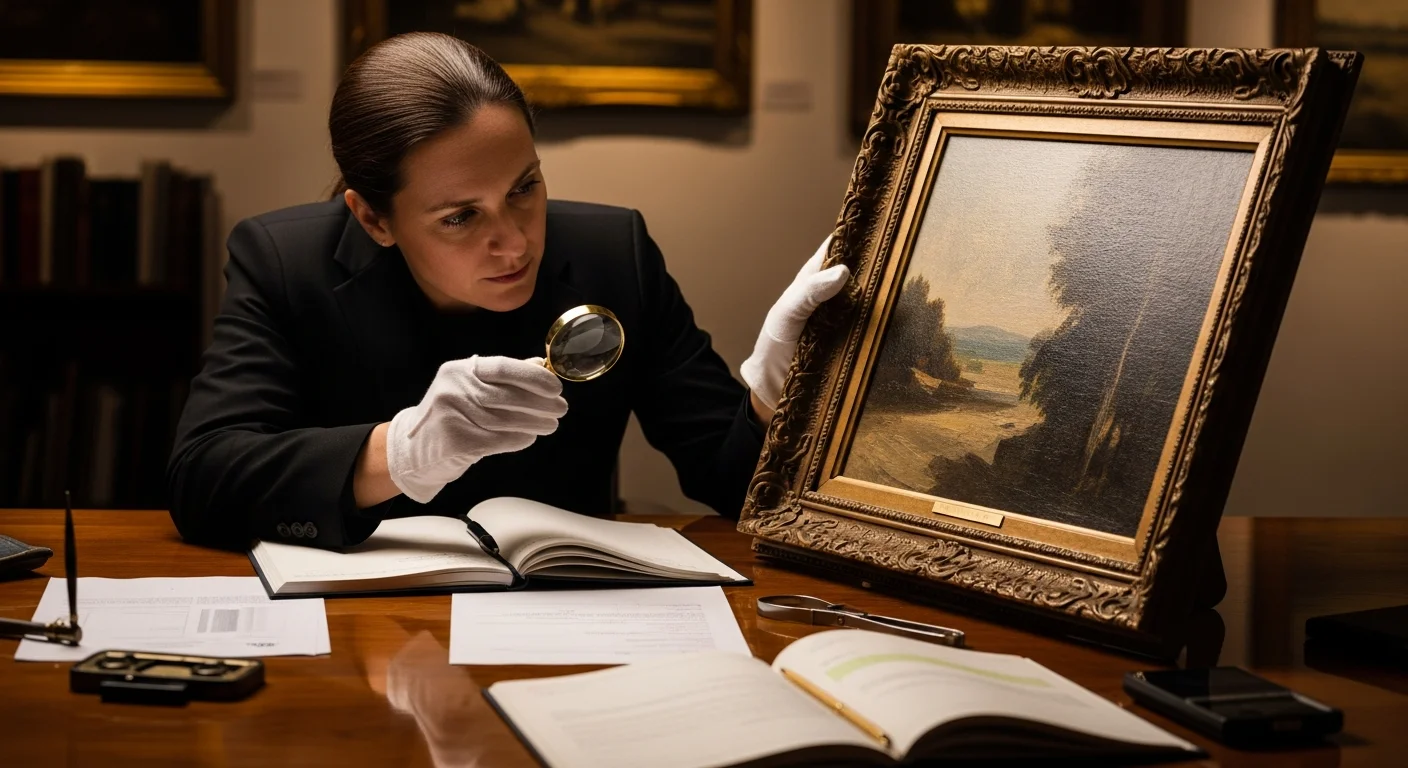
A current, professional appraisal is the foundation of every fine art insurance policy. Without one, you risk being underinsured or overpaying for coverage.
What to Prepare for Your Appraisal
- Use a certified appraiser. Look for credentials from the Appraisers Association of America (AAA), the American Society of Appraisers (ASA), or the International Society of Appraisers (ISA)
- Request a USPAP-compliant appraisal. The Uniform Standards of Professional Appraisal Practice ensures your appraisal meets insurance industry standards
- Update appraisals every 3-5 years. Art markets fluctuate significantly; outdated appraisals can leave you underinsured
- Include detailed documentation. Each appraisal should cover provenance, condition, dimensions, medium, artist, date, and comparable sales data
How Much Does an Art Appraisal Cost?
Professional art appraisals typically cost $250 to $500 per piece for individual works, with volume discounts for larger collections. Some appraisers charge hourly rates ($150-$350/hour) for collection-wide assessments. The cost is a small investment compared to the financial protection an accurate appraisal provides.
Practical Ways to Protect Your Fine Art
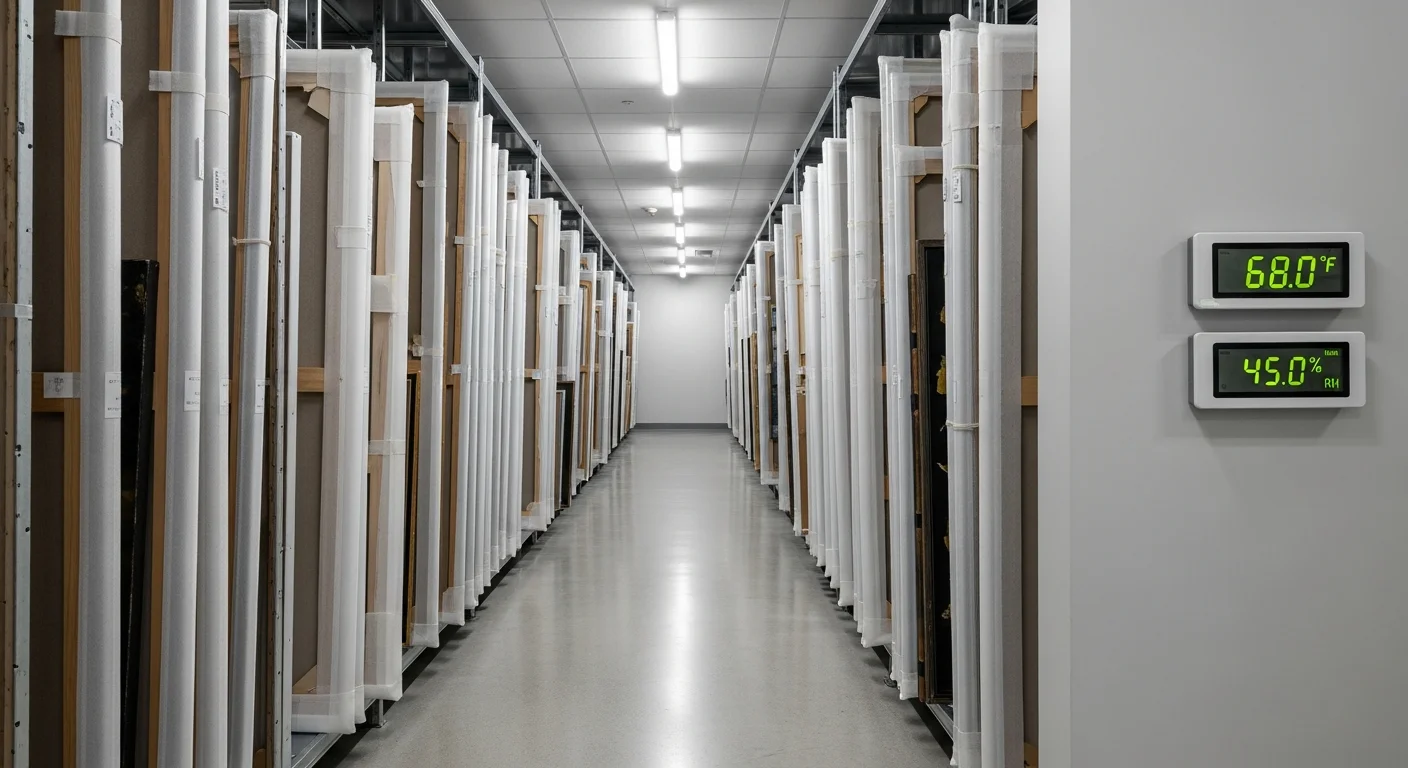
Insurance is essential, but proactive protection reduces both your risk and your premiums. Implement these safeguards:
Creating the Right Environment for Your Art
- Maintain temperature between 65-75°F with minimal fluctuation
- Keep relative humidity between 40-55%
- Avoid direct sunlight; use UV-filtering glass for framed works
- Install air filtration systems to reduce dust and pollutants
- Never hang artwork above fireplaces, near radiators, or in bathrooms
Keeping Your Art Safe and Secure
- Install a monitored alarm system with motion detectors and door/window sensors
- Add surveillance cameras covering display and storage areas
- Use museum-quality hanging hardware and security brackets
- Consider object-specific sensors for high-value individual pieces
- Secure storage areas with dedicated locks and limited access
How to Document Your Art Collection
- Photograph every piece from multiple angles in high resolution
- Record provenance documentation, purchase receipts, and certificates of authenticity
- Maintain a digital inventory with backup copies stored off-site (cloud storage or safety deposit box)
- Keep condition reports updated after any handling, transit, or restoration
- Store physical records in a fireproof safe
How to File a Fine Art Insurance Claim
When a loss occurs, a methodical claims process ensures you receive fair compensation quickly.
- Document the damage or loss immediately. Take photographs, preserve any damaged pieces, and note the circumstances
- Notify your insurer within 24-48 hours. Most policies require prompt notification
- File a police report if theft or vandalism is involved. This is typically required for claims processing
- Provide your appraisal and documentation. Current appraisals, photographs, and provenance records speed up the claims process
- Work with the insurer’s art specialist. Dedicated fine art insurers have claims adjusters who specialize in artwork and understand restoration vs. total loss decisions
- Do not attempt repairs without insurer approval. Unauthorized restoration can void your coverage
With agreed value coverage, the claims process is straightforward: the insurer pays the agreed amount for a total loss. For partial damage, the insurer typically covers professional restoration costs.
A Note for Galleries and Museums
While most of this guide focuses on private collectors, galleries and museums have additional insurance needs:
- Bailee coverage protects artwork owned by others that is temporarily in your care (consignment pieces, loaned works)
- Exhibition-specific policies cover works during temporary exhibitions, including transit to and from the venue
- Institutional policies provide blanket coverage for entire collections with scheduled high-value pieces
- Liability coverage protects against third-party claims if visitors damage artwork or are injured by installations
Galleries and museums should also consider general liability insurance and commercial property insurance as part of a comprehensive risk management strategy.
Coverage for Art Professionals and Institutions
For galleries, museums, and corporate curators, protecting art involves more than just covering your own collection; it means safeguarding assets under your care. This is where Bailee coverage becomes essential, as it protects artwork owned by others that is temporarily in your possession, like consignment pieces or loaned works for a special exhibit. For temporary shows, exhibition-specific policies are designed to cover works during the event, including the critical transit period to and from the venue. Larger institutions often rely on institutional policies that provide blanket coverage for their entire collection while allowing for high-value pieces to be scheduled individually, offering a blend of flexibility and precision.
Beyond protecting the art itself, you must also manage the risks associated with public access. Liability coverage is crucial for protecting your organization against third-party claims, such as a visitor accidentally damaging a sculpture or being injured by an installation. A specialized fine art policy is just one component of a complete risk management plan. To fully protect your operations, you should integrate this coverage with general liability insurance and commercial property insurance. This comprehensive approach ensures that your building, your staff, and your reputation are as well-protected as the art on your walls.
Frequently Asked Questions About Fine Art Insurance
Defining Fine Art Insurance
Fine art insurance is a specialized policy, often structured as an inland marine or fine arts floater, that protects valuable artwork against theft, damage, loss, and other risks. It provides broader coverage and higher limits than standard homeowners insurance, with agreed-value payouts based on professional appraisals.
Understanding the Cost of Coverage
Fine art insurance typically costs $100 to $500 per year per $100,000 of insured value. Actual premiums depend on your collection’s total value, security measures, storage conditions, location, and claims history. Larger collections often receive lower per-unit rates.
The Limits of Homeowners Insurance
Standard homeowners insurance provides minimal coverage for fine art, typically capping all artwork at $1,000 to $5,000 combined. It excludes transit damage, accidental breakage, mysterious disappearance, and does not account for appreciation in value. A dedicated fine art insurance policy is recommended for any collection exceeding a few thousand dollars.
Keeping Your Appraisal Up to Date
Professional appraisals should be updated every 3 to 5 years, or sooner if you acquire significant new pieces, an artist’s market value changes substantially, or you believe your collection’s value has shifted. Outdated appraisals can leave your collection underinsured.
Agreed Value vs. Actual Cash Value Explained
Agreed value means you and the insurer establish the artwork’s value upfront based on an appraisal; that is what you receive in a claim. Actual cash value factors in depreciation and market conditions at the time of loss, which often results in a lower payout. Agreed value is the preferred method for fine art insurance.
Insuring Art on the Move
Yes. Fine art insurance policies typically include worldwide transit and exhibition coverage. This protects your artwork while it is being shipped, loaned to museums, displayed at galleries, or moved between storage locations. Some policies require advance notification for high-value shipments.
What to Look for in a Fine Art Insurer
Not all insurance providers have the expertise to properly protect fine art collections. When selecting a provider, look for these qualifications:
- Specialized fine art experience. Choose an insurer or broker with dedicated art insurance professionals, not a general property insurer applying standard coverage to artwork
- Relationships with certified appraisers. Experienced providers can connect you with qualified appraisers and understand how to interpret appraisal reports
- Claims handling expertise. Art claims involve unique decisions like restoration vs. total loss, diminished value, and salvage rights. Your insurer should have adjusters who understand these nuances
- Flexible policy structures. The right provider offers scheduled, blanket, and floater options and can tailor coverage to your collection’s specific needs
- Proactive risk management guidance. Top providers advise on security, climate control, transit protocols, and documentation standards that protect your collection and lower premiums
Insurance Underwriters brings decades of experience working with collectors, galleries, and estate planners who need precision coverage for high-value art. We partner with leading fine art insurance carriers to build programs that match each collection’s risk profile.
Beyond the Policy: Value-Added Services
The best fine art insurance providers offer more than just a policy; they deliver a suite of services designed to protect and preserve your collection. These value-added benefits are what separate a standard insurance product from a true risk management partnership. It’s about shifting from a reactive stance—only thinking about insurance when something goes wrong—to a proactive strategy that actively preserves the value and integrity of your art. When you work with a specialist, you gain access to expertise and resources that help you safeguard your assets, ensuring your collection is protected for generations to come. This transforms insurance from a simple expense into a strategic investment in the longevity of your most valued possessions.
Expert Consultation and Risk Management
Top-tier insurers act as your dedicated risk management partners. Their services extend far beyond processing claims. For instance, they can offer expert advice before you undertake a home renovation to ensure your collection is protected from construction-related risks. Many provide specialized assistance, such as reviewing loan agreements before you lend a piece to a museum or training your household staff on the proper handling and care of delicate artworks. This proactive approach helps prevent losses before they happen, reflecting a deep understanding of the unique challenges that collectors face. It’s a level of collection management support that general insurers simply cannot provide.
Access to In-House Specialists and Restorers
When you need to file a claim, the last thing you want is an adjuster who doesn’t know the difference between a Monet and a Manet. Leading fine art insurers employ in-house specialists with backgrounds in art history, museum studies, and gallery management. These experts understand the nuances of the art market, from valuation trends to the complexities of restoration. Should a piece be damaged, they can connect you with a global network of vetted conservators and restorers who specialize in your specific type of art, ensuring that any repair work is handled with the utmost care and expertise. This access to specialized talent is invaluable for protecting the integrity and value of your collection.
Insurer Experience and Industry Involvement
Experience in the fine art market is not just a talking point; it’s a critical asset. Insurers who have been dedicated to this niche for decades possess an institutional knowledge that is impossible to replicate. They have weathered market fluctuations, handled every conceivable type of claim, and built deep relationships within the art world. This long-term focus means they design more flexible and comprehensive policies, provide more accurate pricing, and offer a smoother claims experience. Choosing an insurer with a proven track record and deep industry involvement ensures you are partnering with a team that truly understands and is committed to the world of fine art.
Giving Your Art the Protection It Deserves
Your fine art collection represents years of careful curation, significant financial investment, and personal passion. Standard insurance policies leave dangerous coverage gaps that could result in devastating financial loss. Fine art insurance closes those gaps with specialized, comprehensive protection designed for collectors.
Insurance Underwriters works with high-net-worth individuals, collectors, galleries, and institutions to build fine art insurance programs tailored to each collection’s unique risks and value. Our team understands the art world and can guide you through appraisals, coverage selection, and claims management.
Request your free fine art and jewelry insurance quote today, or call us at (305) 900-2823 to speak with a specialist about protecting your collection.
Key Takeaways
- Standard Policies Fall Short: Your homeowners insurance provides minimal coverage for art, with low limits and major exclusions for things like transit damage or accidental breakage. A specialized fine art policy is the only way to protect your collection’s true financial value.
- Insist on Agreed Value Coverage: This is the most important feature of a fine art policy. It means you and the insurer agree on your art’s value upfront with an appraisal, so if a total loss occurs, you receive that exact amount without any debate over depreciation.
- Smart Safeguards Lower Your Costs: Proactive steps do more than just protect your art. Implementing proper climate control, security systems, and detailed documentation not only prevents damage but can also qualify you for lower insurance premiums.
Comments
Comments are closed.