

Coinsurance Penalty Commercial Property Insurance Guide
Rising building costs and inflation often make commercial property insurance limits too low for today. Most policies have a rule that cuts your payout if your limit is not high enough. This loss can hurt your business after a disaster.
A coinsurance penalty in commercial property insurance is the reduction of claim money when your coverage limit is too low. Most policies need you to insure at least 80 or 90 percent of your building’s real value. If you fall below that mark, the company will not pay the full amount for a loss. For example, if you only carry half of the needed limit, the company may only pay half of your repair costs. This rule helps keep rates fair for all businesses. According to Travelers, your payout is cut based on the size of the gap in your coverage. This means you could face large costs even for a minor fire.
To protect your assets, you must understand the fine print that controls your claim payments. Knowing the rules of your policy helps you stay ahead of rising property values. Understanding how a coinsurance clause operates in commercial property insurance is the first step toward securing your business assets.
What Is a Coinsurance Clause in Commercial Property Insurance?
A coinsurance clause is a key part of most commercial property insurance policies. It requires a policyholder to buy a limit of insurance that is at least a set percentage of the property value. This rule ensures that businesses pay a fair premium based on the risk the insurer takes on. Most commercial property insurance contracts use an 80% or 90% coinsurance requirement. If you do not meet this level, the insurer may not pay the full cost of a loss.
How Coinsurance Percentages Work
The percentage in your policy refers to the replacement cost of your building or equipment at the time of a loss. For example, if your property is worth $1 million and you have an 80% clause, you must carry at least $800,000 in coverage. According to the Travelers Insurance guide, this provision helps insurers keep rates even across different types of risks. It prevents owners from buying only a small amount of insurance to cover minor losses while avoiding the cost of full protection.
The Purpose of the Requirement
Insurers use these clauses to encourage people to set accurate coverage limits. Coinsurance is not a deductible, but a way to share risk fairly. The California Department of Insurance notes that this helps manage the costs for all policyholders. By following these rules, businesses can avoid a coinsurance penalty commercial property insurance issue during a claim. When you maintain the right limits, you ensure your business stays protected against major financial hits.
Why Fairness in Pricing Matters
Insurance companies rely on accurate values to set their prices. If every owner only insured their building for half its value, the pool of funds for claims would be too small. The clause forces a level of honesty in how businesses report their assets. This system allows insurers to offer lower rates to those who fully protect their property. Proper planning and managing commercial property risk helps you meet these terms and avoid surprises after a fire or storm.
How the Coinsurance Penalty Commercial Property Insurance Works
The coinsurance penalty triggers when a business fails to carry enough insurance for its physical assets. Most policies require you to insure at least 80 or 90 percent of the total value of your property. If you drop below this level, the insurer will reduce your claim payment based on the gap in coverage. This rule exists to ensure that every policyholder pays a fair price for the risk they bring to the insurance pool.
The Math Behind the Penalty
To find the penalty amount, insurers use a standard formula often called the “Did Over Should” math. You take the limit you have (what you did carry) and divide it by the limit the policy needs (what you should have carried). You then multiply that number by the total amount of your loss. This formula determines your final payout before the deductible applies. If your coverage is short, your check from the insurance company will be short as well.
For example, if a policy has an 80 percent requirement, you must have a limit equal to 80 percent of the current cost to rebuild. This is why commercial property insurance requires regular checkups. If inflation or rising build costs push your property value up, your old limit might no longer meet the requirement. In those cases, even a small fire or leak can lead to a large out of pocket bill for your business.
Before a minor claim turns into a major out-of-pocket expense, you can get a commercial property insurance quote to adjust your limits and eliminate coverage gaps.
Comparing Full Coverage vs. Underinsurance
A coinsurance penalty is most visible during a partial loss. Many owners think that as long as their limit is higher than the damage, they are safe. However, the penalty applies even if the loss is small. The table below shows how the math works for two similar buildings that both suffer a $100,000 loss from a pipe burst.
| Policy Detail | Fully Insured | Underinsured |
|---|---|---|
| Property Value | $1,000,000 | $1,000,000 |
| Coinsurance Rule | 80% ($800,000) | 80% ($800,000) |
| Actual Limit | $800,000 | $400,000 |
| Total Loss Amount | $100,000 | $100,000 |
| Penalty Ratio | 100% (No Penalty). | 50% (Penalty) |
| Final Claim Payout | $100,000 | $50,000 |
Note. This comparison clearly illustrates the impact of underinsurance on claim payments.
Why does the coinsurance penalty exist?
Insurance companies use coinsurance to keep rates fair for all clients. If two owners have the same building, they should pay similar rates for their business insurance protection. If one owner only buys half the needed limit but expects full payment for small losses, they are not paying their fair share of the risk. The penalty makes sure that those who choose lower limits also share more of the financial burden when a loss occurs.
A Worked Example: Calculating Your Out-of-Pocket Coinsurance Costs
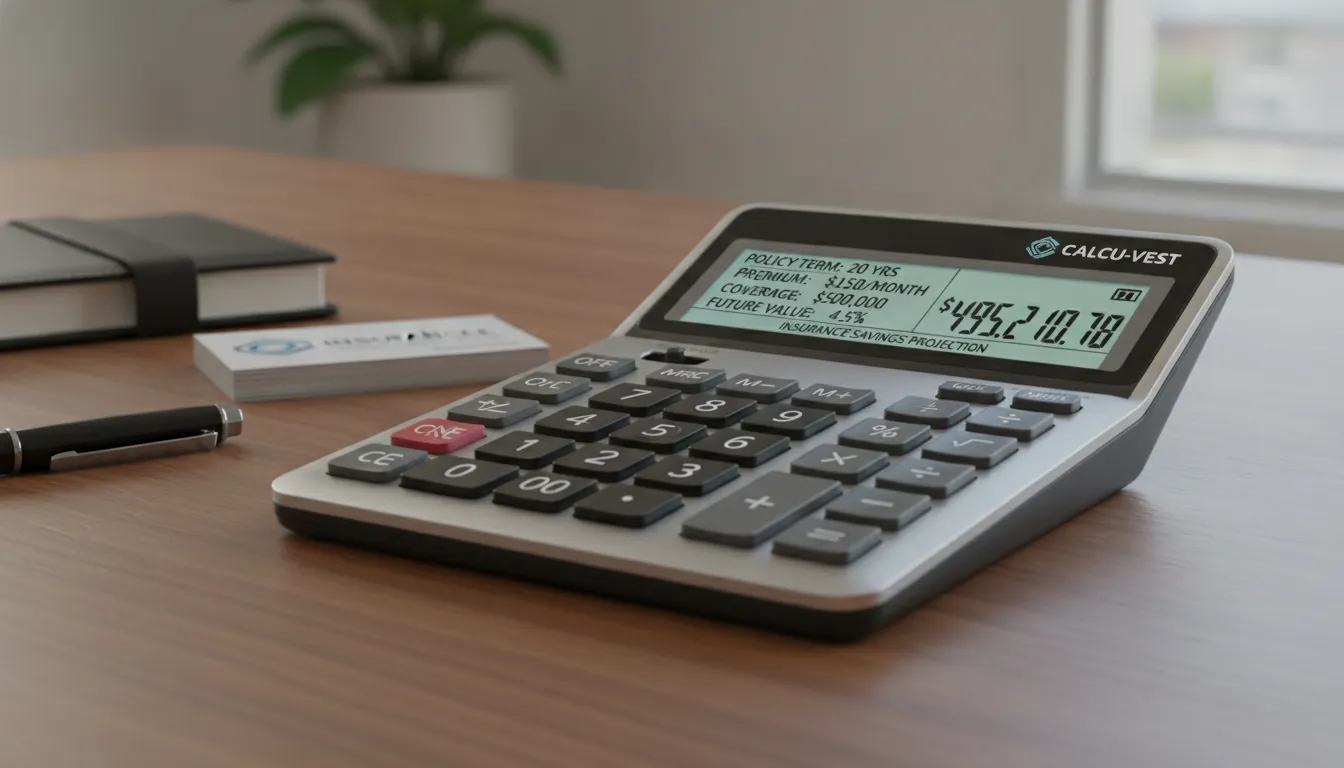
To see how the coinsurance penalty commercial property insurance works, we can look at a simple case. Many business owners do not know how much a gap in coverage costs until a loss happens. Using real numbers helps make the math clear.
The Property Values and Policy Terms
Think of a commercial building. The cost to rebuild it now is $2 million. Your policy has an 80% coinsurance clause. This rule means you must insure the building for at least 80% of its full value. In this case, your needed limit is $1.6 million.
If you only buy $1 million in coverage, you are below the limit. You have not met the rule set by your carrier. This choice leads to a penalty if you have a claim. Many people make this mistake because they do not update their values. The California Department of Insurance says coinsurance helps keep coverage at the right level.
Steps to Find the Claim Payout
When a loss occurs, the adjuster uses a set plan. They compare what you have to what you should have. Here is how the math works for a $200,000 partial loss:
- Find the required limit. Since the building is worth $2 million and the rule is 80%, you need $1.6 million in coverage.
- Find the ratio of coverage. Divide the amount you have ($1 million) by the amount you need ($1.6 million). This gives you 0.625, or 62.5%.
- Apply the ratio to the loss. Multiply the $200,000 loss by 0.625. This shows your claim payout is $125,000 before your deductible.
- Find the penalty amount. Take the $125,000 payout from the $200,000 total loss. The result is a $75,000 penalty.
The Final Financial Impact
The gap between the loss and the payout is your cost. You must pay the $75,000 penalty with your own money. You also still have to pay your policy deductible. This can be a big blow to your business cash flow.
This case shows why managing commercial property risk is so vital. If you had the right limit, the insurer would pay the full $200,000 (minus your deductible). Checking your property values each year helps you avoid these high costs. It ensures your business can get back on its feet fast after a fire or storm.
Common Underinsurance Scenarios That Trigger Coinsurance Penalties
Many business owners do not know they are underinsured until they file a claim. If your building value has gone up but your policy limit stayed the same, you might face a coinsurance penalty commercial property insurance payout drop. This gap often happens by mistake because of fast market changes or missed updates. Knowing why these gaps occur can help you keep your assets safe. Many things can move your property value above your current policy limit without you knowing it.
Rising building costs
Inflation is a main reason for low insurance limits. The price of steel, wood, and glass can jump quickly. When these costs rise, the total cost to rebuild your shop or office also goes up. If your policy does not account for these new prices, your coverage will fall behind. This is a big risk for those who need commercial property insurance for real estate investors since large buildings are costly to fix. Parts and shipping delays also make the problem worse. If parts take months to arrive, the total cost of the job grows.
Labor costs also play a major role, mostly in coastal states like Florida. After a big storm, the demand for builders and tools spikes. This demand surge can make a repair cost 30% or 40% more than usual. If your policy limit was set years ago, it will not cover these higher rates. You will then have to pay a large share of the bill yourself because of the coinsurance rules. These local price hikes are a top cause of sudden penalties in the Southeast.
Old building updates
Adding a new roof, a modern HVAC system, or a large wing increases the value of your property. Many owners forget to call their agent after they finish these jobs. If you spend $200,000 on a new build-out, your building is worth much more than it was. Your old policy limit is now too low. Even small changes like new floors or updated wiring add up over time. When a fire or storm hits, the insurer will look at the new value of the building. They will then apply a penalty because your coverage was too low.
Stale building valuations
Market values and building costs change every year. Using an old appraisal from five years ago is a common trap. Property values in growing cities can rise by double digits in just a few seasons. You must check your limits often to stay safe and stay in line with your contract. The California Department of Insurance notes that you should update your policy often to keep up with rising costs. This helps you avoid a coinsurance penalty by making sure your limit matches the current cost to replace your assets. Yearly reviews are the best way to stop a small gap from becoming a huge loss.
Replacement Cost vs. Agreed Value: How to Avoid a Penalty
Picking the right way to value your items is a big part of protecting your firm. Many owners deal with a coinsurance penalty commercial property insurance issue because they do not know how their policy works. Most plans use one of two ways to set the price for your building and tools. These choices change how much you get from a claim after a fire or storm. Knowing these options now can save your business from a huge loss later.
Replacement Cost Versus Actual Cash Value
Replacement cost plans pay to fix or replace your property with new items. This choice does not take off value for age or wear. This is a top pick for firms that want to get back to work fast. But you must keep your limits high to match what building costs today. If your limits are too low, you might have to pay a penalty when you file a claim.
Actual cash value is different. It pays the cost to replace an item but takes off money for its age. This often leaves a gap between your check and the cost of new parts. The California Department of Insurance says that property plans should help you stay in business. Using replacement cost is a good way to reach that goal. But you must still meet the rules in your plan to get a full payout.
Agreed Value Options
The best way to skip the penalty is with an Agreed Value add-on. This choice stops the coinsurance rule for one full year. You and your agent agree on the value of your property when the policy starts. Since the rule is gone, you do not have to worry about your building costs going up later. This makes it a great pick for sites in spots where prices rise fast. It gives you peace of mind that your claim will be paid in full.
To get this, you must give your carrier a signed list of values. This list shows the cost of each building and what is inside. Most carriers want you to insure the property for 100% of its current price. Keeping this list up to date ensures your payout stays fair. It takes the stress out of your plan during a bad time. You can focus on your work instead of math.
Expert Risk Help
Not every building can get an Agreed Value plan. High-risk sites or very old buildings may not fit the rules. In those cases, you must be careful to set the right limits. A deep business risk assessment can help you find these gaps before you have a loss. Our team can look at your plan and help you switch to a safer choice if it is out there.
Working with an expert helps you stay ahead of price hikes. You can get a business risk assessment to check your policy today. This small step can save you a lot of money in the long run. Do not wait for a loss to find out that your coverage is too thin. Our team is here to help you get the best plan for your needs.
Your Annual Commercial Property Valuation Checklist
Commercial property values change often. If your insurance limit stays the same while your building’s value grows, you risk a coinsurance penalty commercial property insurance. This penalty can leave you with a big bill after a fire or storm. You should audit your property values every year to stay safe. This ensures your coverage matches the cost to rebuild your business site.
Keeping your records up to date is the best way to avoid gaps. When you fix a roof or add a new wing, the cost to replace the structure rises. If you do not report these changes, you may not have enough insurance. A regular business risk assessment helps you spot these needs before a loss happens.
Hire an expert appraiser
You should work with a pro who knows local real estate. A simple guess from a website is not enough for complex commercial sites. A certified appraiser looks at the specific parts of your building. They check the age of your plumbing and the quality of your wood frame. This data provides a solid base for your insurance limits. It helps you prove the value of your assets to your insurer.
Expert reviews also account for building codes. New laws might mean you must use better materials if you have to rebuild. These costs can add up fast. A pro will include these details in their report. This ensures your policy covers the full price of modern building rules. It prevents large gaps between your claim and the actual bill.
Monitor local building costs
Building costs do not stay flat. Prices for steel, wood, and labor can jump in just a few months. The California Department of Insurance says regular coverage updates are vital. This helps you keep pace with market changes. If you ignore these trends, your policy might only cover a small part of a new build. This leads to a penalty that hurts your cash flow.
You should also track local labor rates. Wages for skilled builders change based on demand. In areas with high growth, these rates can rise quickly. If your policy uses old data, you will be short on funds during a claim. Checking these rates every year helps you adjust your limits. This step protects your business from sudden price shocks in the building market.
- Schedule an expert review. Hire a certified appraiser to value your building every year. They provide an exact replacement cost based on current market data and building codes.
- List all recent property work. Document every upgrade or system fix you made in the last year. These changes often increase the total value of your assets.
- Research local building labor rates. Check how much it costs to hire builders in your area right now. Rising wages can drive up the total price of a full rebuild.
- Consult with an insurance broker. Meet with a specialist to review your current policy terms. They can help you understand if your limits meet the rules found in your contract.
- Adjust your policy limits. Submit your new valuation data to your insurer as soon as possible. Update your coverage to ensure you avoid any penalty during a claim.
Frequently Asked Questions
How is a coinsurance clause different from a deductible?
No, these are two different ways you share costs with an insurer. A deductible is a fixed dollar amount you pay first before your coverage starts. A coinsurance clause is a rule that requires you to insure your property for a set rate of its total value. If you fail to meet this rule, the insurer reduces your claim payment. As stated by the California Department of Insurance, this rule helps business owners carry enough coverage for their assets.
Where can I find the coinsurance percentage in my policy?
You can often find this detail on the declarations page of your business property policy. This page lists the main parts of your plan, such as limits, costs, and specific rules. The clause will show a rate, such as 80% or 90%. This tells you how much of the building’s value you must cover. Travelers notes that this rate is the base for finding if you meet the policy needs. Checking this page each year helps you avoid a surprise penalty.
Do coinsurance penalties apply to partial property losses?
Yes, a coinsurance penalty often applies to partial losses, not just total ones. If you do not have enough coverage to meet the policy needs, the insurer pays only a part of your repair costs. For example, if you only carry half of the required limit, the insurer may only pay half of your claim. Data from Travelers shows that this penalty is based on the ratio of the insurance you have versus what you need. This makes accurate property values vital for all claim types.
Ready to avoid a coinsurance penalty on your commercial property?
If you wait until after a fire or storm to check your limits, a costly penalty could drain your business cash savings very fast. Rising costs for labor and building work mean a limit that was safe last year may leave you with too little coverage now. Our experts can help you audit your building values now to ensure you have the right protection before a loss hits your business.
Ready to schedule? Request a commercial property insurance quote online or call 305-900-2823 to schedule a free commercial property risk assessment today. Find out if your current policy is adequate to protect your business.
Comments
Comments are closed.