

Commercial Crime Insurance vs Cyber Insurance
One fraudulent transfer can expose the gap between two policies owners assumed overlapped. Employee theft, phishing scams, and data breaches do not create the same insurance claim.
Request a commercial insurance quote to review crime, cyber, and fraud coverage with an insurance advisor.
Commercial crime insurance vs cyber insurance compares protection for stolen assets with response to digital-event costs, which often require different coverage grants and claim evidence. Commercial crime coverage may respond when an employee steals money or a criminal causes a direct funds transfer loss. Cyber coverage may respond when an attack exposes data, disrupts systems, or creates breach response and liability expenses. The Department of Labor describes crime protection as covering losses from dishonest employees and third-party fraud, while cyber protection addresses data security breaches or privacy events. Because social engineering or stolen credentials can lead to a fraudulent payment, business owners should review both policies’ definitions, triggers, limits, and exclusions.
Business owners often face the harder question: which policy may answer when an email scam empties an account, or an insider steals funds and data? Next, Commercial crime insurance vs cyber insurance: the core difference identifies the starting point for that review. The path begins with:
Commercial crime insurance vs cyber insurance: the core difference
Direct answer: Commercial crime insurance generally covers direct financial theft or fraud losses. Cyber insurance generally covers breach response, privacy liability, and digital disruption costs.
Commercial crime insurance vs cyber insurance comes down to the loss at issue. Crime coverage is built for direct loss from theft or fraud involving money, securities, or covered property. Cyber coverage is built for data security breaches or privacy events. It addresses the expenses and liability they cause. The U.S. Department of Labor testimony on crime and cyber coverage states this difference plainly.
A single event can raise both questions. An employee may steal company funds without any breach of a network. A criminal may also gain access to systems and expose private records. The first loss points toward a crime policy; the second raises cyber coverage issues.
What loss starts the claim?
Commercial crime coverage centers on a business’s direct financial loss. Common triggers include theft by a dishonest employee or fraud by a third party. The covered asset and named cause of loss matter. A business should not assume every deceptive payment event fits the policy wording.
Cyber coverage begins from a different harm: a security breach or privacy event. The policy may address liability and response expenses tied to that event. It can also respond to interruption, reputation harm, or credit monitoring costs, when policy terms apply.
| Coverage question. | Commercial crime insurance. | Cyber insurance. |
|---|---|---|
| Main risk. | Theft or fraud loss. | Data or privacy event. |
| Primary loss. | Money, securities, or covered property. | Breach expense or privacy liability. |
| Typical trigger. | Employee dishonesty or third-party fraud. | Unauthorized data access or network event. |
| Business impact. | Direct missing assets. | Response costs or interruption. |
| Policy review focus. | Covered assets and named causes. | Covered events and response terms. |

When digital crime crosses both lines
The dividing line is not simply online versus offline. A loss may begin through an email, a stolen password, or another digital route. The key question is what the business lost and why. Stolen funds may call for crime review. Exposed data may call for cyber review.
A cyber-enabled theft should be reviewed under both policy forms. Each contract can define covered events, assets, exclusions, and response duties in its own way. A crime claim for direct loss does not replace a cyber claim for a related privacy event.
Coverage questions for business owners
Businesses comparing these options can start with their assets and operations. Do employees handle funds or payment instructions? Does the company store customer or employee data? Does a shutdown of connected systems stop income or service? These questions show why the coverages solve different problems.
Crime and cyber insurance may sit within a broader review of business insurance coverage options. An advisor can examine policy definitions and likely loss paths before placement. That review helps a business see gaps between direct financial theft and a data incident response.
What commercial crime insurance typically covers
Direct answer: Commercial crime insurance typically covers covered theft, forgery, employee dishonesty, computer fraud, and funds transfer losses involving money, securities, or defined business property.
Direct loss from theft and forgery
Commercial crime insurance is built around direct financial loss from dishonest acts. It commonly addresses employee theft and third-party fraud, such as money taken from the business. A U.S. Department of Labor filing on crime coverage describes protection for losses caused by dishonest employees and types of third-party fraud.
The covered property is also important. Crime forms often focus on money, securities, and other property defined in the policy. That may include stolen cash or checks, forged payment tools, or altered checks. Owners should not assume every missing asset fits the same definition.
Computer fraud and funds transfers
A crime policy may include computer fraud or funds transfer fraud coverage. These provisions address a criminal act that causes a direct transfer of business funds. For example, a criminal could use a computer system to direct money from a company account. The exact trigger matters. The policy may require a specific act and direct loss.
Forgery coverage and transfer fraud coverage are related, but they are not the same issue. A forged check can follow one coverage path. An unauthorized wire transfer can follow another. When comparing commercial coverage choices, owners should match the form to how their business stores and sends money.
Social engineering and policy review
Social engineering loss needs close review. In this type of event, an employee may send funds after trusting a false email, call, or invoice. Some carriers may offer an endorsement for this risk. Owners should ask what deception is covered, what proof is needed, and whether a smaller limit applies.
This point helps explain commercial crime insurance vs cyber insurance. Crime coverage centers on the insured business’s direct loss from named acts. Cyber coverage instead addresses liability and expense tied to a data security breach or privacy event. The Department of Labor filing describes this difference in coverage focus.
Policy wording can change the result of a claim. Before selecting coverage, review covered acts, asset definitions, exclusions, deductibles, and limits with an advisor. Ask how employee theft, forgery, computer fraud, funds transfer fraud, and social engineering could respond to a loss your business may face.
What cyber insurance typically covers
Direct answer: Cyber insurance typically covers costs tied to data breaches, privacy events, system recovery, cyber liability, and business interruption after a covered digital incident.
When business owners compare commercial crime insurance vs cyber insurance, the key question is what happened after a digital event. Cyber insurance is built around a data security breach or privacy event, including related expenses and liability. This differs from a crime policy, which focuses on direct loss of defined assets caused by a covered dishonest act.
According to the Department of Labor statement on insurance coverage, cyber insurance addresses liability and expenses arising from a data breach or privacy event. For a business, that can mean policy support begins when a network incident creates response costs or claims.
Breach response costs
After a suspected breach, a company may need fast technical and legal help. Depending on the form and endorsements purchased, coverage may apply to several costs.
- Breach response coordination and forensic investigation can help identify what occurred.
- Required notices and credit monitoring may apply when the policy provides them.
- Ransomware or cyber extortion response may apply, subject to terms and exclusions.
- Data restoration may apply after a covered network event.
- Lost income and added costs may apply during covered business interruption.
Response needs can appear at once. A business may need to contain access, learn which records were affected, keep operations running, and explain the event. Cyber wording should be reviewed for each cost, not assumed from the policy name.
A federal cyber risk resource lists business interruption and credit monitoring costs among common cyber risks. It also points to reputational damage, which can add pressure while the business works through an incident.
Privacy claims and regulatory matters
Cyber coverage can also address claims that arise because private data was exposed. Privacy liability may include defense and covered damages when customers, patients, or workers allege harm. Regulatory defense or response costs may be available where the policy grants that protection and the matter is insurable.
These protections matter for firms that hold payment, health, payroll, or client records. Limits, waiting periods, sublimits, and exclusions can change the result. A business should review the actual policy form before a loss.
Technology aftermath versus missing funds
An incident can include more than one loss path. An intruder may disrupt systems while also attempting a transfer of money. Separate insuring agreements may apply, and the policy wording controls which costs or assets are covered.
A cyber policy is not always the answer when money simply goes missing. Crime insurance is aimed at direct losses from theft or fraud. Cyber insurance more often responds to the technology-driven aftermath of an event. That distinction helps place cyber within a sound mix of policy review support. It prevents one policy from being treated as a substitute for every loss.
Which policy responds to employee theft, funds transfer fraud, and social engineering?
Direct answer: Employee theft usually points to commercial crime coverage. Funds transfer fraud may need specific crime wording, and social engineering can require a dedicated endorsement or both-policy review.
Direct theft and dishonest acts
An employee diverts company funds into a personal account. A thief steals cash, checks, or other covered property. In these cases, commercial crime insurance may be the first policy to review. It is built around direct loss from dishonest employees and certain third-party fraud.
The key question is what the business lost and how the loss occurred. A crime form often requires a named peril and direct loss of defined property. The U.S. Department of Labor explains this distinction in its overview of crime and cyber coverage. Limits, deductibles, discovery terms, and employee theft wording still control the claim.
Tricked payments and false instructions
Now consider an accounts payable worker who receives a fake vendor email. The message changes bank details, and the worker sends payment to a fraudster. A similar loss may follow a spoofed executive request or false wire instruction. These events are often called social engineering or funds transfer fraud.
Either a crime policy or a cyber policy may address that loss. Yet neither should be assumed to do so automatically. The result can depend on an endorsement for social engineering or computer fraud. It may also depend on fraudulent transfer wording. The insurer may also review whether a person approved the payment.
Business owners comparing advisor guidance should ask how each form treats transfers made after deception. Review sublimits as well as the main limit. A small social engineering sublimit can leave a large gap after a single wire payment.
Network events and overlapping losses
A phishing email may do more than prompt a payment. It may steal credentials, expose private records, or lock systems with ransomware. It may also let a criminal take over a mailbox. Business email compromise may cause a wire loss and investigation costs.
Cyber insurance is commonly reviewed for breach response, privacy liability, and expenses tied to a security event. It may address business interruption or response costs after a cyber event. Crime insurance may apply when the same attack results in stolen money or covered property.
For example, stolen credentials may let a criminal send a false invoice and access client records. The payment loss may point toward crime coverage or a fraud endorsement. Investigation, notice duties, and privacy claims may point toward cyber coverage. Two policies can be involved in one event.
Commercial crime insurance vs cyber insurance is not a choice based only on the attack label. Review the loss path: theft, false transfer, breached data, system outage, or several harms. Then compare definitions, exclusions, endorsements, sublimits, and notice rules before a claim occurs.
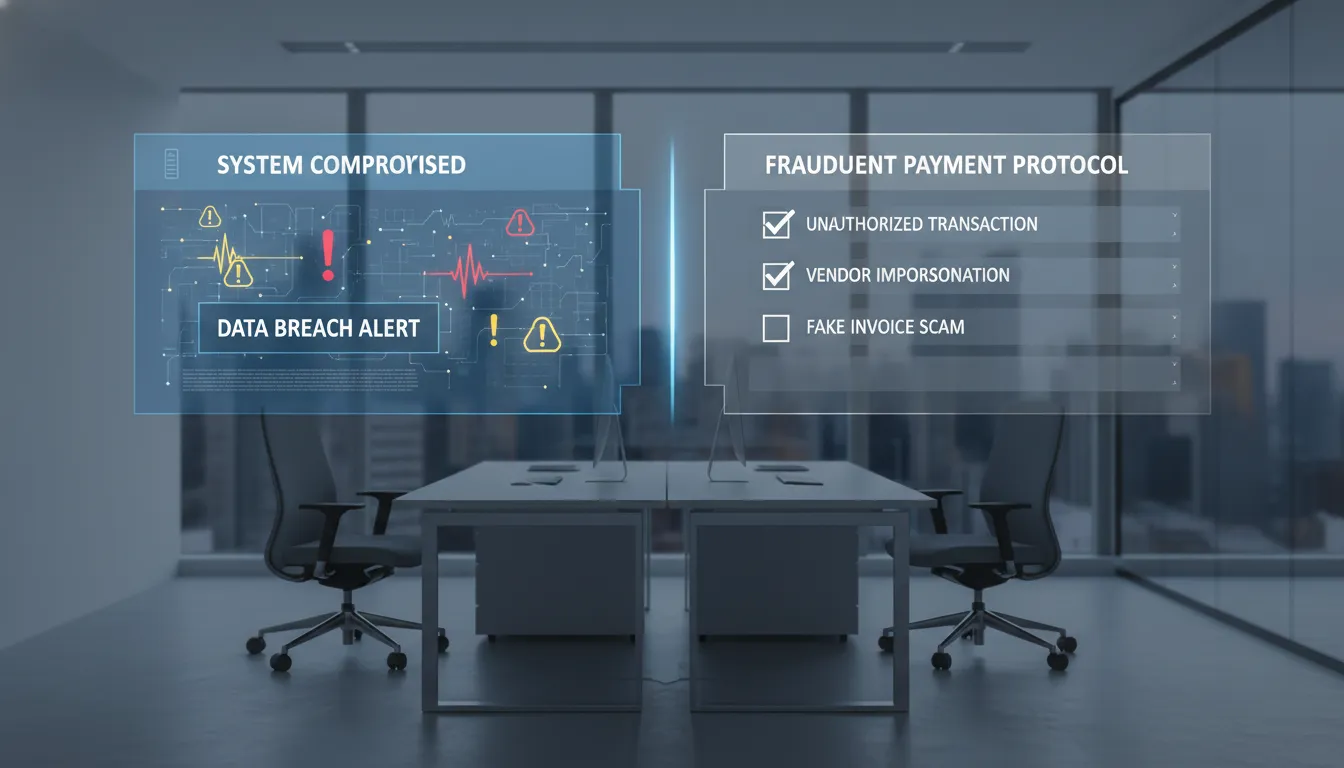
Contact an insurance advisor before you rely on a policy to cover employee theft, social engineering, or breach costs.
How to decide whether your business needs one policy or both
Direct answer: A business may need both policies if it handles money, payment instructions, employee access, customer data, or digital systems.
Those exposures can create separate theft and breach costs.
Choosing commercial crime insurance vs cyber insurance starts with two questions: what can be stolen, and what can be exposed? The answer may point to one policy, or to both policies working in separate roles.
Money paths and data paths
Commercial crime insurance is aimed at direct loss from employee dishonesty and third-party fraud. Cyber insurance addresses costs from a data security breach or privacy event. These roles are described in Department of Labor testimony.
Start with daily operations, not a policy name. A firm that sends payments and stores customer records may have both types of exposure. A firm with one main exposure may need a focused review.
A practical exposure review
Use this review before asking for terms or comparing limits. Keep a record of workflows, controls, contracts, and current policy forms.
-
Map how money leaves the business. List checks, wires, ACH payments, payroll, cards, refunds, and each person’s approval role.
-
Review employee access to funds and property. Note who handles cash, changes vendor details, issues refunds, or can release a payment.
-
List customer and business data stored online. Include payment details, account records, contact data, logins, and outside platforms involved.
-
Test vendor payment controls. Ask whether payment detail changes require a call-back, two approvals, or another check outside email.
-
Read contracts and current policies. Mark insurance requirements, crime or cyber exclusions, limits, deductibles, and any unclear gaps.
-
Match each loss scenario to a coverage discussion. Theft of business funds points toward crime review. A privacy event points toward cyber review.
When both policies may fit
Consider both reviews when funds can be diverted and sensitive data can be exposed. A stolen payment and a privacy event do not create the same costs. Do not assume one policy answers both without reviewing its terms.
Bring your workflow map, contract terms, and current forms to an insurance discussion. Review Insurance Underwriters advisor support to frame questions about separate policies and combined placement. You can also compare limits and gaps before choosing coverage.
Common coverage gaps to review before a claim happens
Direct answer: The biggest gaps often involve social engineering wording, verification requirements, voluntary payment exclusions, sublimits, and assumptions that cyber coverage automatically replaces crime coverage.
Comparing commercial crime insurance vs cyber insurance is not enough by itself. A policy can address the right risk category yet leave a loss outside its wording. Review each policy against how your business receives money, approves payments, stores data, and signs client contracts.
Wording gaps in payment fraud
Start with payment scenarios that can fall between policy forms. An employee may send money after a fake vendor message, or a thief may use stolen banking details. Ask how each policy treats social engineering, computer fraud, funds transfer fraud, and voluntary parting of funds.
A Department of Labor statement describes crime coverage as direct-loss protection for dishonest employee acts and third-party fraud. It describes cyber coverage as protection for liability and expenses from a data security breach or privacy event. That difference matters when a fraudulent email leads to a payment.
- Check whether social engineering has its own limit, deductible, or approval rules.
- Ask whether a voluntary parting exclusion applies when staff authorize a payment after deception.
- Compare definitions of computer fraud and funds transfer fraud across both policies.
- Confirm which policy responds when fraud and a data breach happen in the same event.
Controls that support a cleaner claim
Coverage review should be paired with payment controls. Require a second approval for new payees and changes to banking instructions. Confirm payment requests through a known phone number, not the email thread that requested the transfer.
Keep records of approvals, callback checks, access logs, invoices, and transfer notices. These records help show what happened and when it was found. Review who can change vendor data or release a wire, then remove access that is no longer needed.
- Use separate roles for creating a payee and approving payment.
- Set payment alerts and review exceptions promptly.
- Train staff to pause on urgent account-change or wire requests.
- Document incident reporting steps before anyone needs to use them.
Assumptions that leave costs uninsured
Do not assume a business owners policy, or BOP, automatically pays for fraud or breach costs. Review the declarations, endorsements, limits, sublimits, exclusions, and notice rules. Your broker can compare these terms within a broader coverage questions review.
Client and vendor contracts can also shape the review. Note any required cyber limits, breach response duties, proof-of-coverage terms, or notice deadlines. Then compare those duties with your policy wording, since a contract requirement does not prove that a specific loss is insured.
Test realistic events: a fake invoice payment, an employee theft loss, and a stolen client file. For each event, identify the likely policy, limit, deductible, required controls, and reporting path. If wording is unclear, contact an insurance advisor before a loss forces the question.
Talk with an insurance advisor before binding coverage if your business moves money electronically, stores customer data, or depends on vendor payment instructions.
Talk with an insurance advisor to compare crime and cyber policy language before a fraud or breach claim happens.
Commercial crime insurance vs cyber insurance questions to ask before buying
Direct answer: Before buying, ask how each policy treats stolen funds, employee dishonesty, false payment instructions, and data exposure.
Also review breach response, system downtime, exclusions, and sublimits.
Before choosing coverage, map the loss you could face. Commercial crime insurance often deals with direct losses from theft or fraud. Cyber insurance often addresses breach-related costs and liability. The U.S. Department of Labor coverage summary describes this split. Your questions should test where your own gaps fall.
Fund movement and fraud controls
Start with people and payment rights. Ask who can create, change, approve, and release a payment. Can one person do more than one of those jobs? Check wires, ACH payments, payroll, checks, and vendor bank changes. These answers help an advisor assess a crime loss exposure.
- What steps are required before a wire transfer or bank change is approved?
- Must staff confirm new payment instructions by a second channel?
- Who can view account details or bypass an approval rule?
Then ask where a payment sent after a false email or call would fit. Does the crime quote include a social engineering endorsement? Does either policy cover funds sent by an employee who was deceived? When reviewing coverage review, compare limits, deductibles, and exclusions for this exact event.
Data and contract requirements
Make a simple data list before you request cyber terms. Note customer records, employee records, payment details, health information, and login data. Ask where each type is stored and who can access it. Also ask what happens when a vendor hosts or handles that data.
If a breach could affect those records, ask about investigation, notice, legal support, and interruption costs. A Department of Labor cyber risk document lists business interruption and credit monitoring among common cyber risks. Use it as a prompt for quote questions, not as a promise of coverage.
- Do customer contracts require cyber insurance or a stated limit?
- Do vendors require proof of limits, or limit their own responsibility?
- Does the quote address incidents involving cloud or service providers?
Claims support and policy fit
Claims service matters when a theft or incident has already disrupted work. Ask who receives the first notice of loss and what proof is needed. Find out whether the carrier provides breach counsel, response vendors, or fraud guidance. Ask how quickly your team must report a suspected event.
Finally, request a plain-language review of overlap and gaps. Ask how a stolen wire, an employee theft, and a customer data breach would each be handled. If crime and cyber policies come from different carriers, ask how notice is coordinated. Clear answers make the coverage choice easier to defend.
Compare commercial coverage options with an advisor before a theft, breach, or fraudulent transfer exposes a policy gap.
Frequently Asked Questions
What is the difference between commercial crime insurance and cyber insurance?
Commercial crime insurance addresses direct financial losses from employee dishonesty or named theft and fraud events, such as stolen money or securities. Cyber insurance addresses liability and expenses after a data security breach or privacy event. The U.S. Department of Labor describes these coverages as distinct, so neither should be assumed to replace the other.
Does my business need both crime and cyber insurance?
A business may need both when it holds customer data, uses online banking, or could face employee theft. Crime coverage typically addresses direct theft or fraud loss. Cyber coverage typically addresses breach response, privacy liability, business interruption, and related expenses. Review policy definitions, sublimits, and exclusions with an insurance advisor because a single incident may create different kinds of loss.
Does cyber insurance cover social engineering fraud?
Social engineering fraud can begin with an email or phone impersonation that convinces an employee to transfer funds. Coverage depends on policy language. A crime policy may include social engineering or funds transfer fraud coverage. A cyber policy may respond when system intrusion or a breach is involved. Confirm triggers, sublimits, verification requirements, and exclusions before relying on either policy.
How do crime and cyber insurance policies interact during a cyber-enabled crime?
When a cyber-enabled crime causes both missing funds and compromised information, more than one policy may apply. Commercial crime coverage may address direct financial loss, while cyber coverage may address breach investigation, notification, privacy liability, or interruption costs. Report the event promptly, preserve transfer and email records, and review notice obligations under each policy with the broker and insurer.
Ready to close gaps between crime and cyber coverage?
A theft, fraudulent transfer, or breach can reveal coverage questions only after your business is already managing disruption and a potential loss. Waiting to compare crime and cyber protection leaves uncertainty around which events each policy may address and where gaps may remain. Starting now gives your advisor time to review exposures, discuss policy terms, and help you choose coverage before a problem tests your plan.
Ready to protect your business with clearer coverage decisions? Request a commercial insurance quote to discuss employee theft, funds transfer fraud, social engineering, and digital breach concerns with an insurance advisor before your next renewal or new coverage decision.
Comments
Comments are closed.