

Long-Term Care Insurance Planning for Family Decisions
Nearly 70 percent of today’s 65-year-olds will need some form of long-term care. A clear plan protects choices, savings, and family roles before daily help becomes necessary.
Schedule an appointment with InsuranceUnderwriters.com to review long-term care insurance planning before a family care decision becomes urgent.
Long-term care insurance planning prepares for daily support needs that health coverage often excludes. It compares expected care costs, available savings, family caregiving capacity, and policy benefits before a health change narrows the options. A policy may pay eligible benefits after stated triggers are met, commonly a need for substantial help with daily activities or supervision. The Administration for Community Living reports that someone turning 65 today has almost a 70 percent chance of needing long-term care services and supports. Unlike life insurance, which generally pays a death benefit, or disability insurance, which replaces income, long-term care coverage addresses qualifying ongoing care expenses.
The central question is not whether aging can change a plan, but how your household would fund care without sacrificing core priorities. Next, “Long-term care insurance planning starts with the real risk” examines the need, duration, and people affected. Here’s how.

Long-term care insurance planning starts with the real risk
This planning starts by estimating how likely care is. It also names where care may happen and who would be affected. The goal is to protect savings and reduce crisis decisions. It also helps decide whether insurance should support home care, facility care, or both.
A care need is not a remote possibility
Long-term care insurance planning begins with a practical question: how would your household handle help with daily tasks? A care need can change routines, savings plans, and family roles at the same time. Planning before a diagnosis gives families space to review choices calmly, rather than during a crisis.
Care often begins at home
Long-term care is not limited to a nursing facility. It can include help with bathing, dressing, eating, or other daily needs after chronic illness or disability. That support may begin in familiar surroundings, with family help, paid care, or both.
The same federal resource states that more people use care services at home, and for longer, than in facilities. It reports that 65% use care at home, while 37% use care in facilities. Those settings call for different plans, from in-home help to assisted living or nursing care.
- Home care may involve unpaid family help, paid aides, or a mix of both.
- Facility care may include assisted living or a nursing facility as needs change.
- A sound plan should account for more than one possible care setting.
A decision made before care is needed
Families often consider long-term care within a broader protection plan. Reviewing life insurance options can help clarify which risks each policy is meant to address. The goals are related, but the coverage needs are not the same.
A consultation can help you compare care preferences, available resources, and policy terms before an urgent need narrows the choices. Schedule an appointment with InsuranceUnderwriters.com.
What triggers long-term care insurance benefits?
Long-term care insurance benefits usually begin when the policyholder meets the contract’s benefit trigger. That often means needing substantial help with daily activities or supervision because of cognitive impairment. The policy may also require certification, an elimination period, claim forms, and proof that care is provided in an eligible setting.
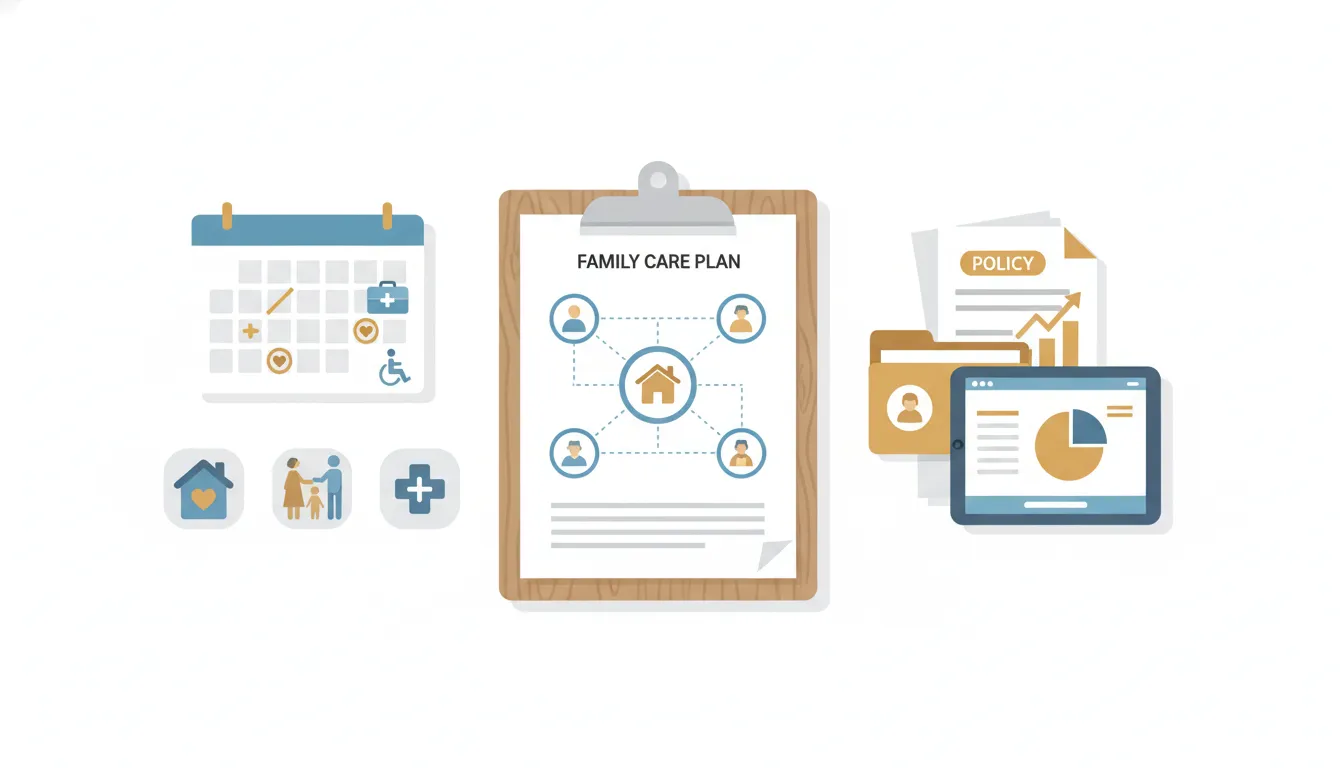
A benefit trigger is the event or condition a policy uses before eligible benefits can begin. It is not the same as choosing where care happens. The California Department of Insurance explains that long-term care includes services and supports for people who need help with daily tasks. A chronic illness or disability may create that need.
Daily living needs and certification
Policies may use activities of daily living, often called ADLs, as one route to eligibility. These are personal tasks, such as bathing, dressing, eating, toileting, transferring, or continence. The contract identifies which tasks count and how many limits must be certified.
An insurer may ask for clinical records and a care plan before it approves benefits. A licensed health professional may also need to certify chronic illness under the policy definition. Families can keep assessment notes and claim forms together. This step can make required details easier to supply.
The trigger is about the need for care, not just the name of an illness. A diagnosis may shape a care plan. The policy may still call for proof of help with daily tasks or supervision.
Cognitive impairment and supervision
Physical ability is not always the full issue. A person with cognitive impairment may still walk or eat alone. Yet that person may need supervision for safety. A policy may address this need as a separate trigger, with its own definitions and proof requirements.
Care tied to dementia can also affect family finances. The National Institute on Aging found that dementia care costs place a disproportionate burden on people with dementia and their families. That is one reason supervision terms deserve close review before a claim is needed.
Waiting periods and claim readiness
If a contract includes an elimination period, payment may not start on the first day of care. The policy should state how its waiting period works. It should also state whether days count by calendar day or only when qualifying care is received.
A useful policy review asks several practical questions:
- Which ADLs are named, and what proof does the insurer require?
- How does the policy define cognitive impairment and substantial supervision?
- Who can certify the need for care, and when must notice be sent?
- When does an elimination period begin, and how are its days counted?
Before a need becomes urgent, request the policy schedule and definitions section. Review covered settings, benefit triggers, waiting periods, certification steps, and notice requirements. During long-term care insurance planning, an insurance professional can help families compare the wording with likely care needs.
Coverage decisions follow the issued contract and claim review, not a general explanation. A careful reading can reduce surprises. It can also help family members gather required records when care begins.
How should families think about long-term care costs?
Long-term care insurance planning starts with a household question: what kind of help might be needed, and who would pay for it? A useful budget is not one price tag. It is a range built around care setting, length of care, income, savings, and available family help.
Cost drivers to map first
Care may start at home, shift to assisted living, or require nursing care later. The Administration for Community Living states that the duration and level of care vary by person and may change over time. That is why a sound estimate tests more than one care setting and more than one time frame.
Families can begin with a simple list of variables. The aim is not to predict every bill. It is to see which costs could strain retirement income or force a rushed choice.
- Setting: Compare care at home, assisted living, and nursing care needs.
- Duration: Model a shorter need and a long period of ongoing help.
- Paid support: Note help with bathing, meals, transport, supervision, and household tasks.
- Unpaid support: Count time that relatives may provide instead of paid care.
- Extra needs: Include possible supervision or safety support for memory loss or dementia.
The cost a family member may carry
Unpaid care is still a real cost. A relative may reduce work hours, step away from a job, travel more, or delay personal savings goals. Care can also affect a spouse who depends on the same retirement income and assets.
When dementia is a family concern, discuss the need for added supervision and safety support. Talk about who could provide that help and for how long. Also decide when paid support would be needed.
This review should be practical and calm. List income sources, liquid savings, retirement assets, home-related resources, and amounts reserved for a surviving spouse. Then test whether paying for care would reduce funds needed for routine living costs or other family goals.
Insurance, self-funding, or a blend
Self-funding may fit a household with assets and income that can absorb a long care period. Insurance may fit a household that wants to transfer part of that risk and keep assets for other needs. Some families use both, with savings covering part of the need and coverage addressing a larger care event.
The right fit depends on health, budget, existing coverage, expected retirement income, and goals for family assets. It also belongs beside broader protection choices, such as how families incorporate long-term care into planning. Review options before a care need forces fast decisions.
If your family wants help comparing funding paths, schedule an appointment to discuss your situation and coverage options.
Compare long-term care coverage options before you buy
Families usually compare four funding paths: traditional long-term care insurance, hybrid life insurance with long-term care features, self-funding, and public benefit programs. The right option depends on health, age, assets, premium comfort, benefit limits, inflation protection, and legacy goals.
Four ways to fund care
Traditional long-term care insurance is built around eligible care costs. A hybrid policy may be weighed when life-related goals also matter. Self-funding preserves control until care bills arrive, while family care shifts time and work demands to relatives.
| Option | Primary purpose | Cost certainty | Underwriting question | Legacy and flexibility |
|---|---|---|---|---|
| Traditional long-term care insurance. | Help cover eligible care. | Review premiums and benefit terms. | Ask how health review affects approval. | May help keep other assets available. |
| Hybrid life/LTC coverage. | Link care planning with life coverage. | Compare one combined policy design. | Confirm eligibility and benefit rules. | May address care and legacy goals. |
| Self-funding. | Pay care from income or savings. | Actual care cost is retained. | No policy underwriting. | Full control, but assets fund care. |
| Family care. | Rely on unpaid help. | No premium, with household tradeoffs. | No policy underwriting. | Depends on time and availability. |
No single option answers every need. Before buying, list the care expenses you want a plan to address. Then identify which assets, income, and family support would remain outside that plan. This makes the comparison clearer and helps expose gaps.
Cost and care setting
Because needs can change over time, cost certainty is not only about a premium. Review benefit amounts, time limits, inflation features, waiting periods, and whether care at home is addressed. Care setting matters because support may be needed for daily tasks at home or in a facility.
Start with the claim purpose. If the goal is help paying for eligible care, compare traditional policy terms with resources you could set aside. If life coverage is part of the plan, review hybrid designs alongside your life insurance planning.
Family and legacy goals
Relying on family is also a funding choice, even if there is no policy premium. For people with dementia who lived in the community, families carried much of the cost. The National Institute on Aging reports an average family share of 64 percent.
Ask an agent to show how each policy defines eligible care, benefit triggers, waiting periods, and covered settings. Then compare the cost you may pay, the risk you keep, and assets intended for a spouse or heirs. Include willing caregivers before treating their help as a plan.
Health review may narrow policy choices, so compare available designs before choosing a funding path. A clear plan also states whether preserving assets for family is a priority, or a secondary goal after paying for care.
How is long-term care protection different from life and disability insurance?
Long-term care insurance pays toward eligible care services after benefit triggers are met. Life insurance mainly supports beneficiaries after death, while disability income insurance replaces part of earned income during a covered disability. These coverages can work together, but they solve different family planning problems.
Long-term care insurance planning starts with a simple point: each coverage type addresses a different financial risk. Life insurance supports death benefit and legacy goals. Disability income insurance addresses lost earnings during a covered disability. Long-term care coverage addresses eligible care expenses when a person needs daily assistance.
The care expense role
Long-term care insurance is built for care needs, not just a diagnosis. The California Department of Insurance describes long-term care as services for people who need help with daily tasks. Those tasks may include bathing, dressing, or eating due to chronic illness or disability.
That purpose matters because care is not limited to a hospital or nursing facility. It may be given at home or in another care setting. Eligibility and benefits depend on the policy contract. Review covered services, benefit triggers, waiting periods, and benefit limits to see how a plan may respond.
The income replacement role
Disability income insurance asks whether a covered disability keeps an insured person from working. It is meant to replace some work income. That income can help with regular household costs. The Administration for Community Living states that disability insurance does not cover long-term care services.
This difference matters when a household builds its safety net. A worker may need disability coverage for lost earnings. The same person may need long-term care coverage for later care expenses. One policy should not be assumed to do the other’s job. Read each contract for its definitions and limits.
The death benefit and legacy role
Life insurance addresses a different planning goal: a benefit after the insured person’s death. It may support survivors or legacy goals, based on the selected policy. Readers comparing that role with care funding can review this life insurance guide while building a broader plan.
Long-term care coverage does not replace those goals. It fills another part of the plan by focusing on eligible services needed during life. A sound review separates three questions. Who needs cash after death, income during disability, or funds for care? Clear roles help families compare policies without treating them as substitutes.
Which family decision points belong in the plan?
Family decision points include who can provide care, where care should happen, who can make decisions, and which assets are meant to remain protected. A written plan helps relatives understand their roles before health changes force urgent choices.
Care roles and care setting
Long-term care insurance planning starts with a family talk, not a policy form. Ask who could help with meals, rides, bathing, bills, or check-ins. Then ask which tasks require paid help. A willing relative may not live nearby, have enough time, or be able to provide hands-on care.
Talk through where care could happen: at home, in assisted living, or in a nursing facility. Federal long-term care guidance says more people use care at home than in facilities. It also notes that care level and length often change over time. A sound plan should leave room for both home support and a later move.
- Who can help regularly, and who can only help during an emergency?
- Would the home need changes for safer daily care?
- Which paid services would protect family time, work, and health?
Decision makers and family boundaries
Name the people who should speak for care choices and money matters if the insured person cannot. This discussion is not legal advice. It helps the family know which powers of attorney or other documents to review with an attorney. Keep copies where the chosen decision makers can find them.
Be honest about family support. An adult child may coordinate appointments, but not provide daily personal care. A spouse may want to help, but may have health needs too. State these limits early, with respect. Clear limits help families choose benefits that support care rather than depend on unpaid work.
- Who should receive policy details and claim instructions?
- Who can make care decisions, and who can manage payments?
- What help is each family member able and willing to give?
Budget and broader goals
A budget talk should cover more than the premium. Review retirement income, savings set aside for care, housing plans, and the amount the family could pay without stress. Discuss whether protecting assets for a spouse or heirs is a priority. Also decide how much risk the family accepts if care lasts longer than expected.
Insurance choices should fit the rest of the financial plan. Benefit amount, benefit period, waiting period, and inflation options can affect both cost and available care funds. Families using life insurance for legacy goals can incorporate long-term care into your planning conversation. An insurance professional can compare choices against retirement cash flow and estate goals.
Write down the current plan and revisit it after major health, family, housing, or retirement changes. A plan is most useful when the people expected to carry it out understand their roles.
How to start a long-term care insurance planning conversation
Long-term care insurance planning starts before a claim, a diagnosis, or a family crisis. The goal is not to predict the future. It is to decide how you would pay for help with daily needs, if that help becomes necessary.
The Administration for Community Living reports on future care needs. Its data show that someone turning 65 today has almost a 70% chance of needing some type of long-term care. This makes a calm, early discussion useful for many households.
A five-step planning framework
Start with decisions rather than products. A written plan helps spouses, adult children, and advisers discuss the same care goals and funding limits.
Use these steps to bring care wishes and financial choices into one discussion. Write down key answers before reviewing policy designs.
-
Estimate risk and care preferences. Discuss family health history, housing plans, and whether receiving care at home matters to you. Note who you would want involved in care decisions.
-
Review income, assets, and family support. List retirement income, savings, existing coverage, debts, and funds set aside for care. Ask family what help is realistic, without assuming unpaid care will be available.
-
Compare ways to fund care. Review self-funding, traditional long-term care coverage, and hybrid insurance designs side by side. Compare care settings, benefit periods, waiting periods, inflation features, premiums, and tradeoffs.
-
Understand underwriting and timing. Ask how an insurer reviews health information during an application. Ask how your timing may affect the choices and terms you can compare.
-
Schedule a consultative review. Bring your notes, budget, existing policies, and preferred care setting to an independent broker. Insurance Underwriters can compare options through its access to over 200 carriers.
Questions to take into a review
A good planning conversation turns general concern into choices you can compare. Ask which services may qualify, how benefits begin, how premiums work, and what changes if your budget shifts.
If life coverage is part of your broader financial plan, read how to incorporate long-term care into your planning. It can help you organize questions before a policy review.
An independent next step
Long-term care choices are personal, and policy details vary. An independent review can compare approaches against your goals, care wishes, and resources. You can also revisit a plan when family needs or income plans change.
To discuss long-term care insurance planning with Insurance Underwriters, schedule an appointment. A consultative meeting can help you define the next questions to answer.
Schedule an appointment to compare long-term care insurance planning options with InsuranceUnderwriters.com.
Frequently Asked Questions
These answers address the long-term care insurance planning questions families most often ask before comparing policy options. Use them as a starting point, then review actual policy terms, benefit triggers, exclusions, and premium obligations with a licensed insurance professional.
What are the common options for paying for long-term care?
Families may use personal savings, long-term care insurance, qualified public benefits when eligible, or a combination of funding sources. A policy can help cover services that medical coverage often excludes. The California Department of Insurance explains that long-term care insurance is designed to help cover costs for support with daily tasks. Planning should compare benefits, exclusions, inflation features, and available assets.
At what age should you consider purchasing long-term care insurance?
There is no single right age to purchase long-term care insurance. Many people review options while healthy and before retirement, because age and medical history can affect availability and pricing. Consider your retirement income, assets, family care options, and ability to pay premiums over time. An insurance professional can compare policy terms and alternatives based on your situation.
What is the likelihood of needing long-term care?
Long-term care is a significant planning risk, even for people who are healthy today. According to the Administration for Community Living, someone turning 65 today has almost a 70 percent chance of needing long-term care services and supports. Needs vary by health and duration. Planning may include care preferences, family roles, savings, and insurance options.
What defines a person as chronically ill for long-term care insurance purposes?
A long-term care policy generally uses benefit triggers rather than a diagnosis alone. Common triggers include needing help with specified activities of daily living, such as bathing or dressing, or needing supervision because of cognitive impairment. Definitions vary by contract. Required certification, waiting periods, and eligible services can also differ. Review the policy language before relying on benefits for a future care plan.
Does disability income insurance pay for long-term care services?
Disability income insurance and long-term care insurance address different financial needs. Disability coverage is intended to replace some earned income when a disability prevents work. It is not designed to pay for personal care or long-term care services. The Administration for Community Living confirms this distinction. A complete plan may evaluate income protection, care expenses, and life insurance separately.
Ready to plan for long-term care with clarity?
InsuranceUnderwriters.com helps families compare coverage choices, life insurance relationships, care-cost concerns, and practical decision points before a crisis. A conversation can clarify which options deserve a closer look and which assumptions should be reviewed before you rely on them.
Delaying a care plan can leave your family weighing difficult care and financial choices during a stressful moment, without clear direction from you. Waiting may also narrow the time available to review care costs, coverage triggers, family roles, and how other protection fits your goals. Starting now creates space for a calm discussion, a thoughtful comparison of policy options, and practical next steps your household can understand together.
Ready to plan with greater clarity? Call 786-344-9343 to schedule a professional consultation before care decisions become urgent. Discussing your timeline now can help you shape a plan around your family, priorities, and budget, instead of reacting under pressure. A scheduled conversation offers a clear place to begin.
Call 786-344-9343 or schedule an appointment with InsuranceUnderwriters.com to compare long-term care insurance planning options.
Comments
Comments are closed.