
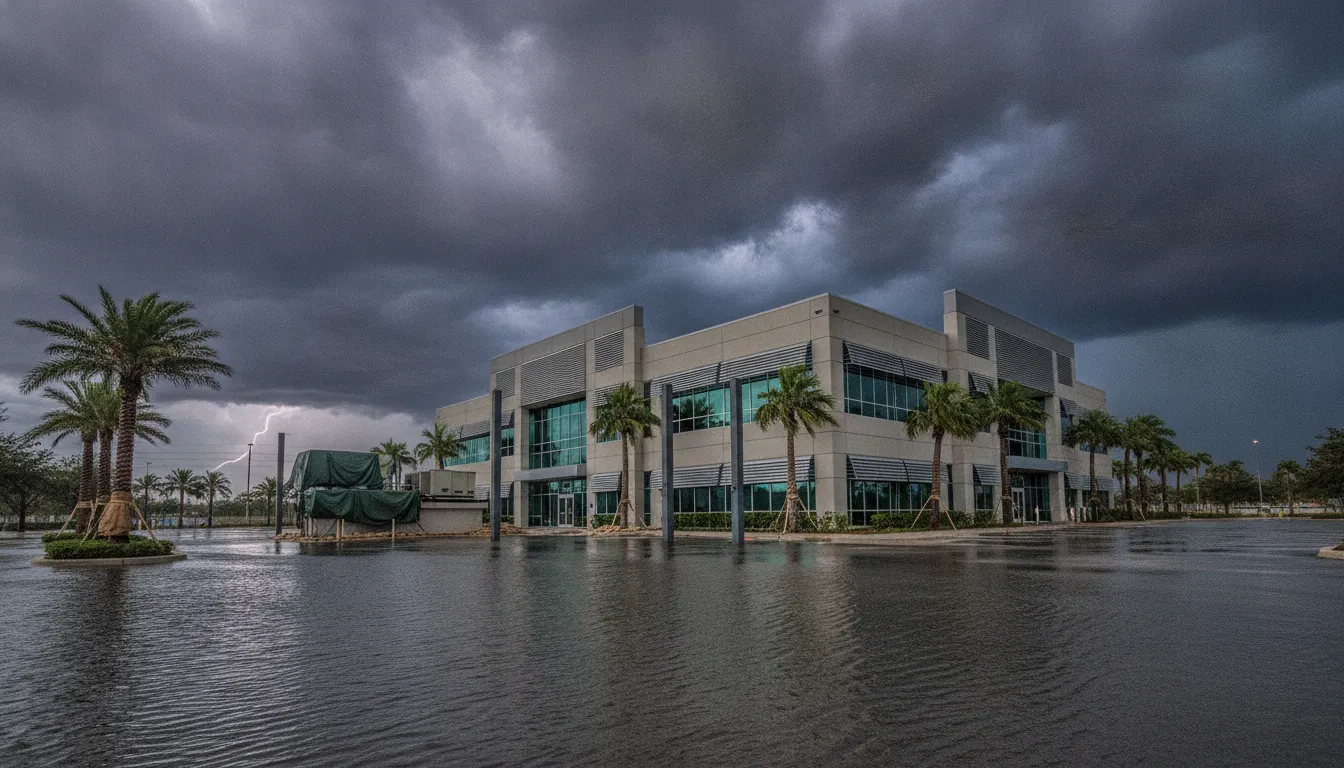
Parametric Hurricane Insurance Florida Guide
A hurricane strike can drain your business bank account before the clouds even clear. Traditional policies require long inspections that slow down your recovery during critical weeks. This is why more companies are turning to parametric hurricane insurance in Florida for faster relief.
Call Insurance Underwriters at 786-344-9343 or request a business property insurance quote
Parametric hurricane insurance Florida is a unique type of coverage that pays a set amount of cash based on storm strength rather than real damage to property. These plans use weather data like wind speed to trigger a claim, so you do not have to wait for an agent to check your building. Once the storm hits the trigger, the money is sent to your bank in a few days to help you pay for cleanup, fuel, or wages. This rapid funding keeps your business running while you wait for your main claim to finish and acts as a vital bridge for your cash flow. It provides the speed Florida business owners need to survive the first few weeks after a major hurricane hits the coast.
This system might seem complex, but the process is simple for business owners who want to avoid long waits. Knowing these steps will help you decide if this tool is right for your firm. We can show you exactly how parametric hurricane insurance works in Florida to secure your future, and the path begins with understanding how clear triggers create rapid payouts.
Parametric Hurricane Insurance Florida: How parametric hurricane insurance works in Florida
Parametric hurricane insurance uses a simple trigger to give fast cash after a major storm. Unlike a standard policy, it does not pay you based on the cost of your damage. Instead, it pays a fixed sum if a storm hits a set strength or stays within a certain area. This model offers faster trigger-based disaster funding for firms that need to restart right away.
Parametric hurricane insurance is a type of plan that pays a set amount when a specific weather event occurs. It relies on clear data, like wind speed or storm path, rather than a slow loss check. In Florida, this means firms can get funds within days or weeks of a hurricane to cover fast costs.
The role of clear data and triggers
A parametric policy relies on clear, public data to start a claim. Most plans use facts like wind speed or air pressure. These facts often come from a fair third party like the National Hurricane Center. If the storm meets the trigger in your deal, the pay happens on its own.
For example, you might pick a trigger based on a Category 3 storm passing within 30 miles of your shop. You do not need to show proof of a broken roof or wet floor to get paid. Since the trigger is a yes or no, there is no fight about the cause of loss or the price of fixes. This path helps Florida businesses avoid the long wait of a normal claim.
Fast cash for quick recovery
The main goal of parametric hurricane insurance is speed. Standard claims can take months or years as pros visit sites and check bills. A parametric pay can reach your bank in as little as 14 to 30 days. This fast cash helps you pay staff, buy goods, or rent a new spot while you wait for larger checks from other plans.
This speed is key to stay in business. Many firms fail because they lack the cash to get through the first month after a storm. Parametric funds give the cash needed to keep your doors open. Per data from the Wharton Risk Center, these funds offer a smart way to cover risks that normal plans often miss.
Parametric coverage vs. indemnity property insurance
| Feature | Indemnity property insurance | Parametric coverage |
|---|---|---|
| Payout basis | Verified physical damage and covered loss | Predefined storm trigger |
| Claim review | Inspection, documentation, and adjustment | Independent weather-data confirmation |
| Typical payout speed | Weeks or months | Days or weeks |
| Use of funds | Covered repair and replacement costs | Flexible business recovery expenses |
| Primary role | Long-term asset recovery | Fast liquidity after a trigger |
How indemnity insurance works
Standard property plans are the norm for most Florida firms. They pay based on the real loss your shop suffers after a storm. This type of plan aims to make you whole by fixing what was lost. After a hurricane hits, an agent visits your site to check the damage to your walls, roof, and gear. They also check your books to see how much money you lost while you were shut down. This review can take weeks or even months to finish. This is because it needs human checks and deep audits. You must also show proof of all your losses. This means keeping good records of your gear and stock. If your records are lost in the storm, the claim can take even longer. You get paid only after the final loss is clear to the firm. While these plans are good for big fixes, they are often too slow for quick cash needs. The gap between the storm and the check can be hard on small shops that need funds to stay open. Without fast cash, some firms may never reopen after a major hit.
The parametric insurance model
Parametric insurance works in a new way that skips the long wait. It does not look at your actual loss or damage to your shop. Instead, it pays based on a set event like wind speed or storm surge level. For example, a parametric policy might pay if wind speeds hit a set mark near your area. Once the weather data confirms the storm hit that mark, the plan pays a set amount of money. The trigger for these plans is often based on data from a state agency. Because the data is clear, there is no room for debate. There is no need for a long loss check or a site visit from an agent. This speed helps Florida businesses get funds in just a few days. This payout is not tied to your damage. You can use this money for any cost. You can pay your staff or buy new stock to reopen fast. It provides a bridge of cash when you need it most. This helps you keep your team together while you wait for more aid.
Why using both is best
You do not need to pick just one type of plan for your shop. Most smart owners use both to protect their firms from storm risks. Indemnity plans cover the high costs of fixing your site and buying new gear over time. Parametric plans give you the fast cash you need to stay in business while you wait for your big claim to be settled. Using both helps you deal with the slow pace of old insurance claims and the high cost of storm damage. This mix is a smart way to handle parametric hurricane insurance Florida risks. It gives you both the deep coverage you need and the speed you want. This two-part plan helps you with long-term fixes and short-term needs. By using both, you create a safety net that covers all your bases after a storm.
| Feature | Indemnity Policy | Parametric Policy |
|---|---|---|
| Payout Basis | Real damage to shop | Set storm trigger |
| Payment Speed | Weeks or months | A few days |
| Claim Process | Human inspection | Auto data check |
| Use of Funds | Specific repairs | Any business need |
| Goal of Policy | Full asset recovery | Quick cash flow |
What are triggers and basis risk?
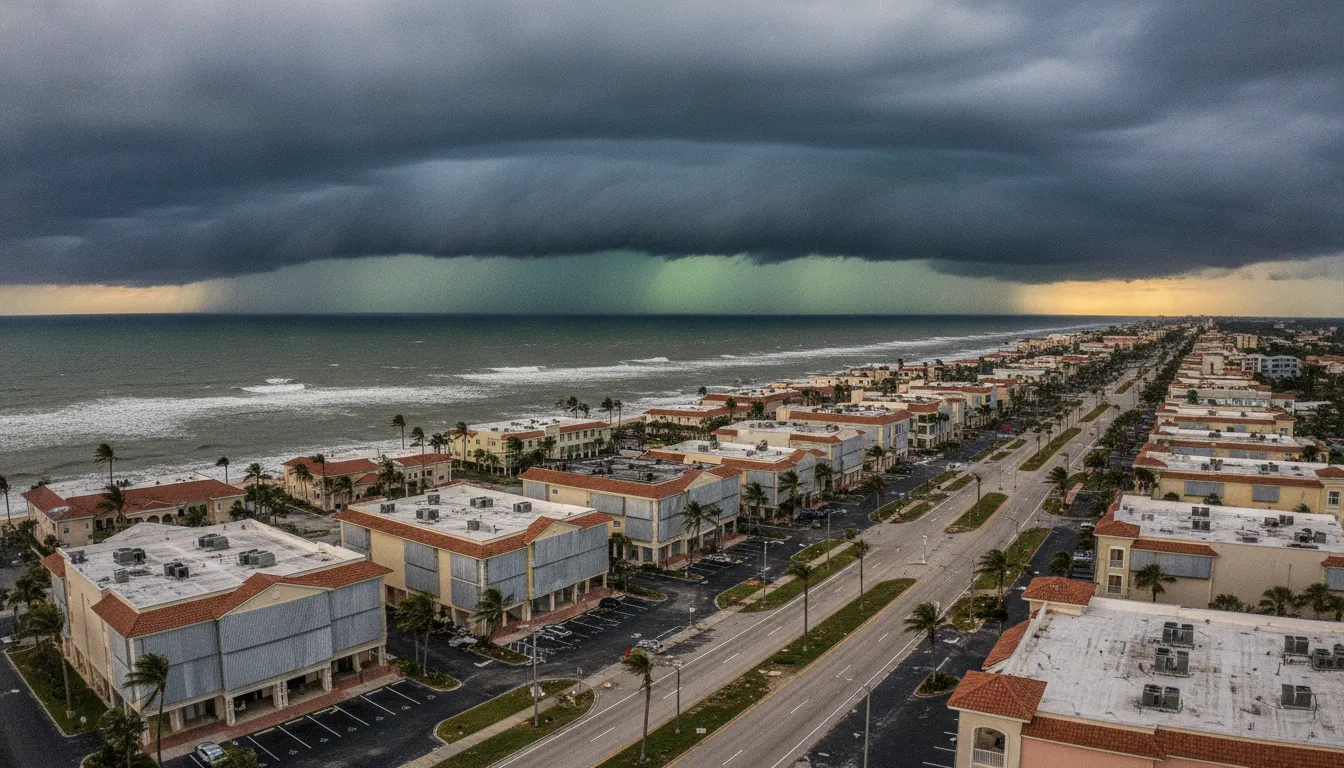
Parametric hurricane insurance works in a new way for most Florida business owners. In a normal plan, you file a claim and wait for a person to check your loss. In a parametric hurricane insurance model, the system pays out based on a set event. This event is called a trigger.
How triggers work
A trigger is a clear piece of data that starts the pay process. For a storm, this is often a wind speed or a track path. If a storm hits a set speed near your business, the policy pays out. These levels are set before the storm season starts. Most plans use data from a clear source to decide if the event met the mark.
Because these triggers are data-based, they remove the need for long checks on site. This leads to faster trigger-based disaster funding for Florida businesses. According to the Congressional Research Service, this type of contract pays a set amount based on the size of the event rather than the size of the loss.
The role of basis risk
Basis risk is the gap between your real loss and your insurance pay. Since the pay is tied to a trigger and not a loss check, the two might not match. You might have more damage than the pay covers. This can happen if the wind was high but the water caused more harm. It is a trade-off for the speed of the funds.
In some cases, a business might get a pay when they have no loss. In others, they might have a loss but no pay if the trigger is not met. Good design helps reduce this risk. When we help you set up a plan, we look at your site and storm history. We aim to match the triggers with the real risks your business faces on the ground.
Which Florida businesses can benefit most?
Parametric insurance is not a fit for every single company. While most firms in the state face storm risks, some have a greater need for fast cash. Standard plans often leave gaps for costs like clearing debris or high deductibles. For many shops, the wait for a claim check is the biggest threat to staying open.
Tourism and food shops
Hotels, resorts, and restaurants are often the first to feel the hit of a storm. These businesses rely on guests who may cancel trips weeks before a hurricane hits. Even if the building stays safe, a lack of power or water can stop all work. Standard property plans may not cover these losses if there is no direct damage to the walls or roof.
Parametric hurricane insurance Florida works well here because it pays based on wind speed. If a storm enters a set zone at a high speed, the policy pays out. This allows a resort owner to keep staff on the job or buy tools to reopen fast. Quick funds can be the difference between a short break and closing for good.
Property groups and apartment housing
Condo groups and apartment managers deal with special problems after a storm. They must clear fallen trees and fix broken fences. These costs are often lower than a high wind storm deductible. This means the group must use its own savings or ask owners for extra money.
By using faster trigger-based disaster funding, managers can handle these small but vital tasks. The payout can cover the cost of guards or urgent roof patches. This keeps the site safe and stops small leaks from becoming big mold issues. It also protects the money health of the whole local group.
Building and factory work
For Florida businesses in the building trades, a hurricane can stop every active job. Gear may be damaged, and job sites often need big cleanups before work can start again. Factories also face risks from supply chain breaks. If a key part cannot arrive because of closed roads, the whole plant might stop.
Parametric plans provide a way to cover these other losses. A builder can use the payout to rent new gear or pay for extra hours to get back on track. These index-based tools are a smart way to handle disaster risks. As noted by Congress.gov, these tools help businesses get back to work without the long wait of a standard loss check.
Farms and shipping firms
Farms and nurseries in South Florida have high risks from wind. A storm can ruin a whole season of crops in a few hours. Standard crop plans are helpful, but they may not cover the cost of fixing greenhouses or watering tools. Shipping firms also need to move trucks and ships out of the storm’s path.
The cost of fuel and labor to move a fleet adds up fast. Parametric funds can help cover these prep costs, which most standard plans ignore. Having cash on hand to move assets helps a firm survive the storm and serve its clients sooner. This type of coverage is a key part of a full risk plan for many industries in the state.

How to evaluate a parametric hurricane policy
Buying a policy for parametric hurricane insurance in Florida is a smart move for any firm. These plans work differently than normal ones because they pay out fast. To get the most value, you must follow a clear process to match the policy to your real needs. Start by looking at the small details of your site and your cash flow to find where you are most at risk.
Map your quick cash gaps
Most Florida businesses have costs that a normal policy will not cover. These can include high deductibles that you must pay out of pocket before help arrives. You also have to think about payroll, rent, and utility bills that do not stop when a storm hits. Many firms find that faster trigger-based disaster funding is the best way to bridge this gap. This money can arrive in days, giving you the cash you need to stay afloat during a crisis.
You should review your bank records from past storms to find your true costs. Do not just look at physical harm to your building or tools. Think about the days you were closed and the sales you lost. This data helps you pick a payout amount that keeps your business running while you wait for larger claims to process. A good policy should give you enough cash to cover your costs for at least thirty days after a major event. This buffer allows you to focus on repair and recovery without worrying about daily bills.
Choose the best trigger and metric
The “trigger” is the event that makes the policy pay out. The Congressional Research Service notes that these plans pay based on the event itself, not on a loss report. For a hurricane, this usually means a specific wind speed or a storm center passing through a pre-set zone. You must decide which metric is most likely to reflect the harm a storm would do to your site. This choice is vital for making sure the plan works when you need it most. If you pick a wind speed that is too high, you might miss out on help for a smaller but still damaging storm.
You also need to model “basis risk.” This is the chance that a storm causes damage but does not quite hit the trigger you chose. For instance, a storm might bring heavy rain and flooding but have winds just below your set limit. To lower this risk, you can use a wider zone or set lower wind speeds for a partial payout. Working with a consultant can help you find the right balance between the cost of the plan and your level of safety. They can use past weather data to show you how different triggers would have performed in previous years.
Sync with your current plans
Once you know your gaps and your triggers, you must sync your new plan with your old one. Review how parametric protection fits alongside your broader commercial insurance program. A good process ensures that you are not paying twice for the same coverage. It also makes sure that no risk is left open to chance. Use the steps below to build a full plan for your firm.
- Find your cash gaps. List every cost that your main insurance plan will not cover right away. Focus on items like deductibles and daily bills that keep your doors open.
- Select your trigger type. Decide if you want to use wind speed at a local station or a storm track through a set area. Local stations are often more accurate for specific sites.
- Model the basis risk. Use weather data to see how often a storm might damage your site without triggering a full payout. Adjust your settings to cover more likely events.
- Set your payout tiers. Create a scale where stronger storms lead to larger cash payments. For example, a Category 3 storm might pay 50% while a Category 5 pays 100%.
- Sync with other plans. Make sure your parametric plan fills the holes in your normal policy. It should work with your property plan, not replace it or double the cost.
- Verify the data sources. Ensure your policy uses trusted sources like NOAA for wind speed data. This keeps the process clear and prevents delays during a claim.
Review the fine print with your broker before you sign. Check how fast the money will arrive and what proof you need to show. Most of these plans require very little proof, but you still want to be sure of the steps. You should also check if the policy covers multiple events in one year. Florida can see more than one storm in a season, so your plan must stay active. A full review ensures that your plan is ready to help your firm recover fast. This peace of mind allows you to lead your team with confidence when the next storm nears.
Questions to ask before buying coverage
Buying parametric hurricane insurance needs a shift in how you think about risk. These plans do not look at your real losses. They rely on data and triggers. Before you sign, you must know how the insurer tracks the storm. You must also know when they pay out. This helps the plan fit your needs in Florida.
Triggers and data sources
The core of any plan is the trigger. Ask your broker what event sets off a pay out. Is it a wind speed or a storm rank? You also need to know where the data comes from. Most use data from the National Hurricane Center. Some use ground tools. Good data is key. If the storm misses the tool, you may not get paid even if you have loss.
Check the area used for the trigger. Some plans use a grid on a map. Others use a range from your shop. Make sure the area fits where your assets sit. This cuts the risk of having a loss with no pay out. For more on how these funds help, see our guide on faster trigger-based disaster funding.
Pay out tiers and limits
Pay outs often happen in tiers. A Category 3 storm might pay 25% of the cap. A Category 5 pays 100%. Ask for a clear chart of these steps. You should also check for a yearly cap. If many storms hit Florida businesses in one year, you need to know if your cover stays or ends.
The Congressional Research Service says these pay outs come from the force of the event. They do not look at the size of the loss. This means the money comes fast. It often takes 14 to 30 days. Ask if there are wait times. Ask if the funds ship once the data is set. Fast cash is the main reason to pick this over a standard claim.
Rules and fund use
A great part of this cover is how you use the funds. Most plans let you use the money for any cost. This includes pay, fast fixes, or lost stock. But you should still ask if there are use rules. Most firms give you a lot of choice. It is still best to check this early.
Last, ask about the time to pay. Since there is no agent, it should be fast. But some plans have a short time to fight the data. Knowing these dates helps you track your cash after a storm. If you want to see how these plans work for your firm, you can request a custom quote from our team.
Frequently Asked Questions
How fast are parametric insurance payouts?
Payouts for parametric plans mostly happen within 14 to 30 days of the event. This is much faster than normal insurance claims. Normal claims can take months to process because of long damage checks. Because the pay is based on data rather than site visits, firms get cash fast. They can use this money for payroll or quick repairs.
Can businesses use parametric insurance for any expense?
Yes, parametric plans offer great choices for Florida business owners. Unlike old policies that only pay for fixed property repairs, these payouts help with any business need. This includes paying staff, buying new stock, or handling extra costs after a storm. The set amount is yours to use in any way that helps your firm recover fast.
Does parametric insurance cover flood damage from a hurricane?
Parametric hurricane insurance pays out based on wind speed or storm power in a set area. If the storm trigger is met, you get the full pay. It does not matter if the damage came from wind or flood water. This makes it a great help along with flood insurance in Florida. Flood plans usually need a slow and long check of the damage.
Is a physical damage inspection required for a claim?
No site check is needed for a parametric insurance claim. Old insurance needs an agent to visit your site and check every loss. This can take weeks after a big storm. Parametric plans use clear data from weather stations or satellite reports. Once the wind speed trigger is hit, the claim is set. This means your firm gets money without the slow steps of damage checks.
Where can I get a quote for parametric hurricane insurance in Florida?
You can get a custom quote for parametric plans through a licensed agency like Insurance Underwriters. Our team works with many special carriers to build a plan that fits your risk and place. Since we serve all 50 states and know the Florida market, we can help you find the best trigger-based choice for your firm.
Ready to protect your Florida business from the next major storm?
A long wait for a standard storm payout can force you to close your doors for good if you lack the cash to pay your staff. Setting up a parametric policy today ensures you get your money in just a few days instead of waiting many long and very stressful months. This fast funding lets you hire work crews and restock your shelves at the very start of the local recovery process for your trade area.
Are you ready to request a business property insurance quote? Call 786-344-9343 to talk to a licensed agent about how to set up your fast disaster funding and keep your Florida business strong today.
Comments
Comments are closed.