
Personal Umbrella Insurance Florida Guide
Personal Umbrella Insurance Florida Families Should Understand
Personal umbrella insurance Florida households consider is designed for a simple but serious question: what happens if a major liability claim costs more than the limits on your home, auto, watercraft, or other underlying policy? For affluent homeowners, boat owners, landlords, and families with teen drivers, that gap can matter. A single severe accident or lawsuit can create legal defense costs and damages that exceed ordinary liability limits, putting savings, future income, and accumulated assets under pressure.
Want a tailored review of your liability exposure? Request a liability umbrella quote from InsuranceUnderwriters.com.
An umbrella policy does not replace primary insurance. Instead, it can add an extra layer of liability protection after eligible underlying limits are used up. That makes it especially relevant in Florida, where households may combine high-value homes, busy roads, watercraft, rental property, and frequent guests. InsuranceUnderwriters.com helps clients compare coverage options across a broad carrier network and align umbrella limits with the risks that already exist in their lives.
What is personal umbrella insurance?
Personal umbrella insurance is excess liability coverage that may sit above certain primary policies, commonly personal auto and homeowners insurance. Depending on the policy and carrier requirements, it may also coordinate with watercraft, rental dwelling, or other eligible underlying liability coverage. If a covered claim exceeds the liability limit on the underlying policy, the umbrella may help pay covered amounts above that limit, up to the umbrella policy limit.
Think of the underlying policy as the first layer of defense. The umbrella is a second layer for larger losses. It is not intended for routine property damage to your own home or repairs to your own car. Its purpose is usually third-party liability, such as bodily injury, property damage, or certain personal injury allegations, when those claims are covered and exceed primary limits.
For households that already need broader personal protection, it can help to review umbrella insurance alongside the rest of a personal insurance program. Policies work best when limits, exposures, named insureds, vehicles, homes, and recreational assets are reviewed together rather than one at a time.
Why Florida households often face larger liability exposures
Liability risk is not limited to the value of a home. It is tied to how people live, drive, entertain, travel, and own assets. Florida households can have several exposure points at once:
- High-value primary residences, condos, second homes, and coastal properties
- Multiple household vehicles and frequent driving in dense metro areas
- Teen or inexperienced drivers listed on the auto policy
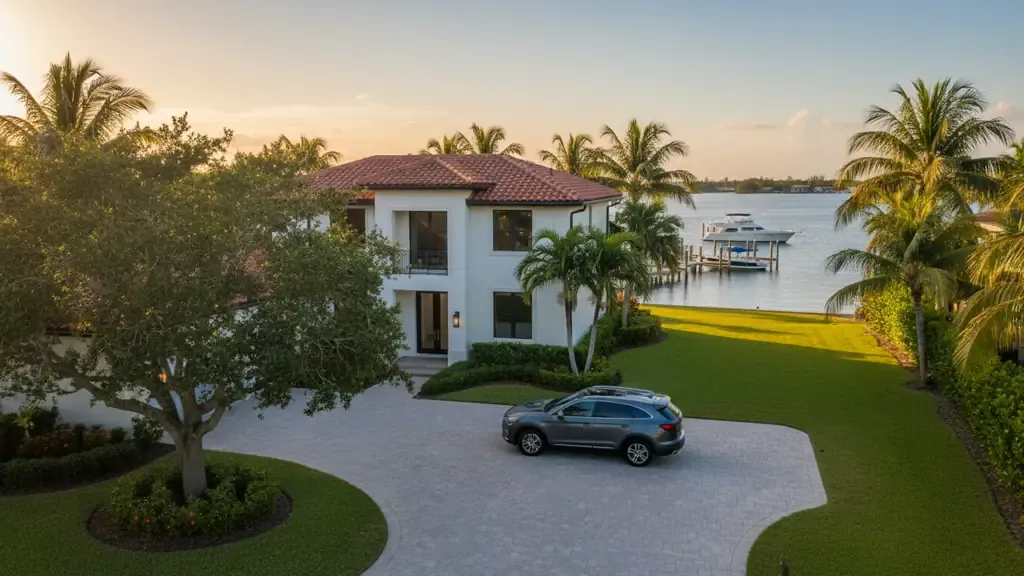
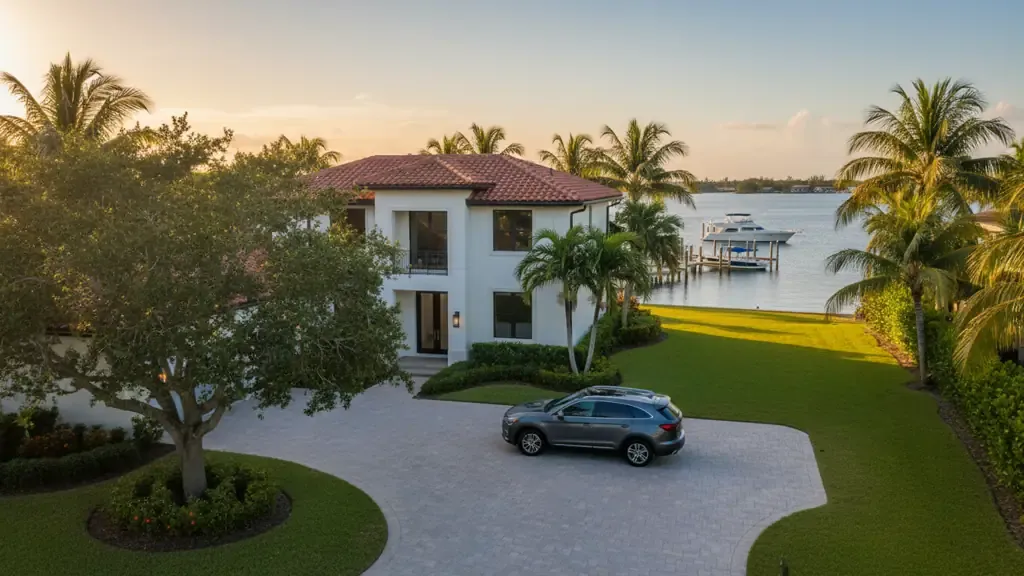
- Boats, personal watercraft, docks, or waterfront entertaining
- Rental homes, seasonal rentals, or landlord exposures
- Domestic staff, frequent guests, or social hosting
None of these automatically means a claim will occur. The point is that higher asset values and more complex lifestyles can increase the size of a potential loss if one does happen. Umbrella insurance is often evaluated as a way to match liability limits to real-world financial exposure, instead of stopping at the default limits on home or auto policies.
How personal umbrella coverage can apply
Umbrella policies vary, and coverage always depends on policy wording, exclusions, required underlying limits, and the facts of a claim. Still, several examples show why families review this coverage.
A serious at-fault auto crash
Suppose a household driver causes a multi-vehicle crash and the resulting bodily injury claim rises above the liability limit on the personal auto policy. The auto policy would generally respond first if the loss is covered. If the claim exceeds that limit, a personal umbrella policy may provide additional covered liability protection above it. Families with multiple drivers or long daily commutes often review this scenario carefully. InsuranceUnderwriters.com also offers guidance on auto insurance options that should be coordinated with umbrella requirements.
A guest injury at a home or waterfront property
A guest could suffer a severe injury after a fall at a home, pool area, dock, or outdoor gathering. Homeowners liability may respond first if the event is covered. If medical costs, legal expenses, and damages exceed the home policy limit, umbrella coverage may be relevant. Owners of higher-value properties should make sure the home policy and umbrella policy are structured to work together. If the primary property coverage needs review, start with the firm’s home insurance resources.
A boating liability claim
Florida lifestyles often include time on the water. A collision, passenger injury, or property damage claim involving a boat can become expensive quickly. Some umbrella policies may extend over qualifying watercraft exposures, but carriers can set vessel size, horsepower, navigation, and underlying liability requirements. Boat owners should not assume umbrella coverage applies automatically. Review your watercraft insurance and umbrella eligibility together.
A rental property or landlord loss
Landlords may face allegations after a tenant or visitor is injured at a rental property. A dedicated landlord or dwelling policy may include liability coverage, but the limits may not reflect the owner’s full financial exposure. A personal umbrella policy may or may not extend over rental property, depending on the carrier, property use, and number of units. Owners should disclose every rental exposure during the quote process so the policy structure can be evaluated accurately.
Who should consider personal umbrella insurance in Florida?
Umbrella insurance can be useful for many households, but it becomes especially worth discussing when your assets, lifestyle, or liability risks are larger than standard limits. Consider a review if you:
- Own a high-value home, waterfront property, or multiple residences
- Have significant savings, investments, or future earning power to protect
- Have teenage or newly licensed drivers in the household
- Own boats, personal watercraft, ATVs, or other recreational assets
- Own rental property or allow non-owner occupancy in a residence
- Host guests often or maintain amenities such as a pool or dock
- Want liability limits reviewed across multiple personal policies at once
The conversation is not only about net worth. It is also about liability exposure. A household with meaningful income, a teen driver, and a boat can have a different risk profile than a household with similar assets but fewer day-to-day exposures.
Insurance needs should be reviewed as a connected program, not policy by policy. Explore personal insurance solutions to see how home, auto, watercraft, and umbrella coverage fit together.
What personal umbrella insurance may cover
Exact coverage depends on the policy, but personal umbrella insurance is often discussed for larger liability losses involving:
- Bodily injury claims that exceed eligible underlying liability limits
- Property damage claims caused to others
- Legal defense costs for covered claims, subject to policy terms
- Certain personal injury allegations, such as libel, slander, or invasion of privacy, when included by the carrier
Some policies can be broader than the underlying policy in narrow circumstances, while others operate more like excess liability. This is one reason a comparison through an independent brokerage can matter. Similar umbrella limits do not always mean identical coverage terms.
What umbrella insurance usually does not cover
An umbrella policy is not a catch-all financial protection plan. Common limitations can include:
- Damage to your own house, vehicle, boat, or personal belongings
- Intentional injury or intentional property damage
- Business-related liability that belongs under commercial insurance
- Professional errors or services that require a separate professional liability policy
- Claims tied to undisclosed or ineligible vehicles, watercraft, or properties
- Losses that fall below required underlying insurance limits when those limits were not maintained
Those last two points are important. Umbrella policies commonly require certain minimum liability limits on the policies beneath them. If the household changes cars, buys a boat, adds a rental property, or lowers an auto limit without reviewing the umbrella, a future claim can become more complicated than expected.
How much umbrella coverage should a Florida family consider?
There is no one-size-fits-all answer. Coverage selection usually starts with a practical review of assets and exposures, including:
- Equity in homes and other real estate
- Savings, taxable investments, and other non-retirement assets
- Current and future household income
- Number of vehicles and driver profiles
- Boats, recreational vehicles, and frequent travel patterns
- Rental property or landlord exposures
- Existing home, auto, and watercraft liability limits
Many households start the conversation by comparing available umbrella limit options and asking whether those limits reasonably reflect the size of a major liability loss. A brokerage can also review whether the household meets carrier prerequisites, such as specific auto and home liability limits, before the umbrella policy is issued.
Cost is only one part of the decision. The better question is whether the family’s liability limits make sense relative to the size of the exposure. A modest premium difference can be less important than discovering after a claim that primary limits were not coordinated or a major exposure was never disclosed.
How teen drivers change the umbrella conversation
Teen drivers are a common reason families revisit liability limits. New drivers may be careful and responsible, but their lack of road experience changes the household’s exposure. If a severe at-fault crash creates injuries, lost wages, or extended litigation, damages can move well beyond what many families expect from a routine auto claim.
An umbrella review should happen when a teen is licensed, added to the auto policy, starts taking a household vehicle to school, or gets access to a new car. It is also wise to verify that every licensed driver in the home is disclosed to the carrier and that the auto policy meets the umbrella carrier’s required limits. Leaving coverage decisions on autopilot is risky when the household driver mix changes.
How boat owners should coordinate umbrella and watercraft coverage
Boating exposures deserve a separate discussion. A watercraft policy may carry its own liability limit, and an umbrella carrier may ask detailed questions before agreeing to sit over that exposure. Vessel type, size, engine power, location, and use can all matter. A personal umbrella policy that works well for a household’s home and cars may still need specific review before it applies to a boat.
Florida boat owners should review both policies before a new season starts, after buying a different vessel, or when usage changes. If you regularly carry passengers, dock in crowded marinas, or use a larger boat, make sure the liability discussion reflects that real use. Coordinating watercraft and umbrella policies early is much easier than untangling assumptions after a loss.
What landlords and second-home owners should disclose
Rental homes, seasonal occupancy, and second homes can create misunderstandings if the policy details are not clear. A property that is occasionally lent to family, used as a vacation residence, rented short term, or leased to tenants may need different insurance treatment. Umbrella carriers can view these exposures differently, and some may require specific underlying policies or decline certain arrangements.
Be transparent about property use, occupancy, ownership entity, and rental activity. If a home is titled in a trust, LLC, or other entity, discuss that during the insurance review as well. The most useful umbrella policy is one built around accurate underwriting information.
Questions to ask before choosing an umbrella policy
Before selecting a personal umbrella insurance option, ask:
- Which underlying policies must be in place, and at what liability limits?
- Are all household vehicles and drivers properly disclosed?
- Does the umbrella consider my boat or watercraft exposure?
- Can rental or secondary properties be included, and under what conditions?
- Are personal injury allegations covered by this policy?
- What exclusions, retained limits, or special conditions should I understand?
- When should I update the umbrella after a life or asset change?
These questions help separate a quick quote from a thoughtful liability strategy. The right policy is not simply the one with the lowest cost. It is the one that fits the exposures the household actually has.
Build a liability protection plan before a claim
Personal umbrella insurance Florida families evaluate is ultimately about preserving choices. It can help prevent one large liability claim from becoming a direct threat to assets that took years to build. That is why umbrella coverage deserves attention from high-net-worth households, waterfront property owners, landlords, and parents of teen drivers.
Ready to compare options? Get a liability umbrella quote and ask InsuranceUnderwriters.com to review your home, auto, watercraft, and asset protection needs together.
InsuranceUnderwriters.com works with clients seeking practical, coordinated insurance guidance rather than a one-policy-at-a-time approach. If your lifestyle has changed, your assets have grown, or your liability limits have not been reviewed recently, an umbrella conversation is a sensible next step.
Comments
Comments are closed.