
Nonprofit Insurance 101: Protecting Your Mission
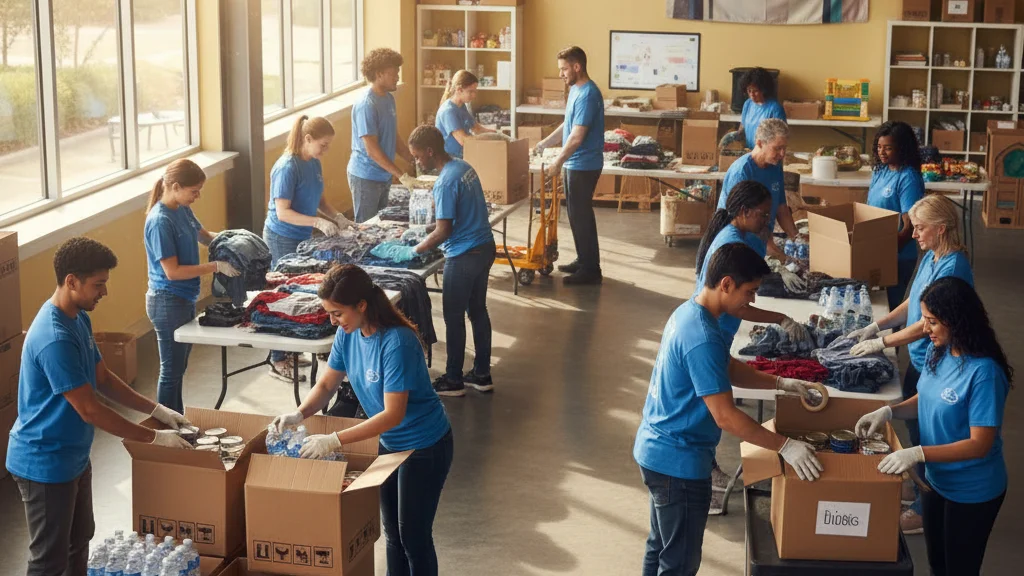
Your nonprofit pours its heart into serving the community. But a charitable mission, unfortunately, isn’t a shield against lawsuits, property damage, or employment disputes. These are real risks that can threaten your ability to operate. This is where nonprofit insurance becomes essential. It’s not just another policy; it’s a tailored safety net designed specifically for tax-exempt entities like yours. This vital coverage protects your organization, board members, employees, and volunteers from the financial fallout of unexpected events, securing the assets you need to keep fulfilling your mission.
If your nonprofit lacks proper insurance coverage, a single lawsuit or accident could drain your operating budget and put your mission at risk. Contact Insurance Underwriters today for a customized nonprofit insurance quote.
Nonprofit insurance is a category of commercial insurance tailored to the unique exposures that charitable organizations, social welfare groups, religious institutions, and advocacy organizations face daily. Unlike for-profit businesses that can absorb losses through revenue, nonprofits operate on tight budgets funded by donations, grants, and fundraising. That makes risk transfer through insurance policies even more critical. Whether your organization runs after-school programs, manages a food bank, hosts community events, or provides professional services, the right insurance package protects your ability to continue serving your community.
Nonprofit insurance is a combination of commercial insurance policies specifically designed to protect charitable organizations, their board members, employees, volunteers, and assets from lawsuits, property damage, employment claims, cyber threats, and other risks unique to tax-exempt entities including 501(c)(3) organizations.
What Unique Risks Does Your Nonprofit Face?
Nonprofits are not immune to the same risks that affect commercial businesses, but they also face exposures that for-profit companies rarely encounter. Understanding these unique risks is the first step toward building the right insurance program.
Volunteer Injuries: Most nonprofits rely heavily on volunteers who are not covered by standard workers’ compensation insurance. If a volunteer is injured while serving your organization, you could face medical bills and liability claims without a dedicated volunteer accident policy.
Board Member Liability: Nonprofit board members make governance decisions involving budgets, hiring, compliance, and fundraising. Poor decisions, or even the perception of mismanagement, can lead to personal lawsuits against directors and officers. Without D&O insurance, board members risk personal financial exposure, and many qualified individuals will refuse to serve without this protection.
Donor and Grant Compliance: Nonprofits that mismanage grant funds or fail to use donations as intended can face lawsuits from donors, grantors, and regulatory agencies. These governance disputes require legal defense that can quickly exceed a small nonprofit’s entire annual budget.
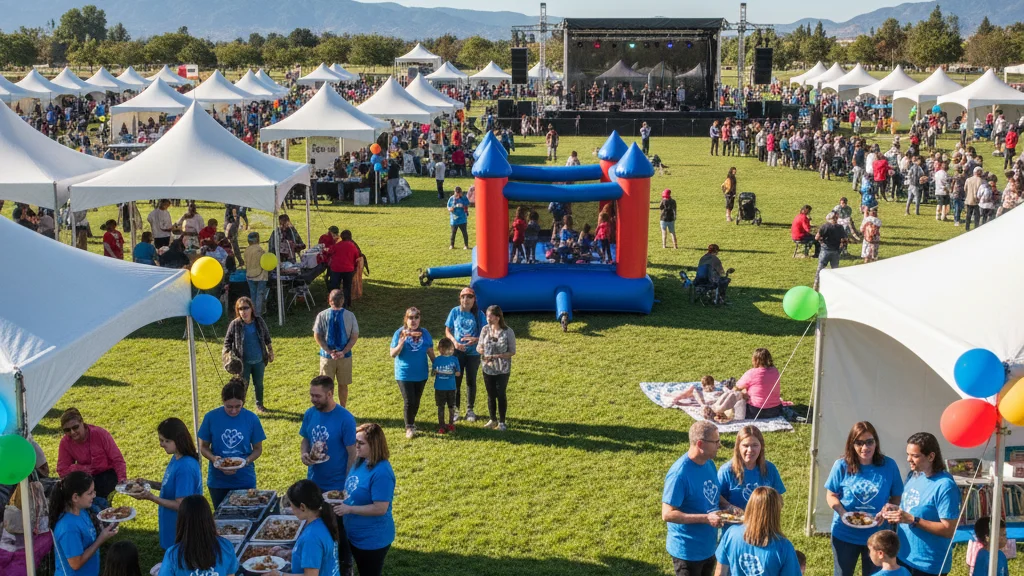
Fundraising Event Accidents: From galas and charity runs to community festivals, nonprofits host public events regularly. A slip-and-fall at a fundraiser, a food-related illness at a dinner event, or property damage at a venue can all generate general liability claims.
Employment Practices Claims: Even with a mission-driven workforce, nonprofits face wrongful termination, discrimination, and harassment claims. Employment practices liability insurance (EPLI) is essential for organizations with paid staff.
Abuse and Molestation Exposure: Nonprofits that serve children, elderly populations, or vulnerable adults face heightened risk of abuse allegations. Standard general liability policies often exclude these claims, making specialized coverage a necessity.
Cyber Threats: Nonprofits store sensitive donor information, payment card data, and sometimes client health records. A data breach can trigger notification requirements, regulatory fines, and reputational damage that takes years to recover from.
The essential coverage types for nonprofit organizations include directors and officers (D&O) liability insurance, general liability insurance, commercial property insurance, workers’ compensation, volunteer accident insurance, special event liability, cyber liability insurance, professional liability (E&O), and employment practices liability insurance (EPLI).
Common Nonprofit Sectors and Their Insurance Needs
While all nonprofits share some common risks, your specific mission and operations determine your greatest exposures. Understanding the liabilities most common in your sector is key to building a strategic insurance program that protects your organization where it’s most vulnerable. Different activities, from hosting fundraisers to providing direct client services, create distinct insurance needs that a one-size-fits-all policy simply can’t address. Let’s look at a few common nonprofit sectors and the specific risks they need to manage.
Social and Community Services
Organizations focused on social and community services, such as advocacy groups, counseling centers, and family support services, are built on a foundation of trust and fiscal responsibility. A primary risk in this sector involves the management of funds. If your organization is accused of misusing grant money or failing to apply donations as promised, you could face costly lawsuits from donors or government agencies. These governance disputes can lead to legal defense bills that threaten your entire operating budget. This is why Directors & Officers (D&O) liability insurance is so critical, as it protects your board members from personal liability related to their management decisions and financial oversight.
Arts, Culture, and Education
Museums, theaters, historical societies, and private schools enrich our communities, but they also face unique liabilities. Many of these organizations rely on public events like galas, festivals, and charity auctions for funding and engagement. Each event introduces risk. A simple slip-and-fall at a fundraiser, an instance of food poisoning at a dinner, or damage to a rented venue can quickly escalate into a significant general liability claim. Beyond events, these nonprofits often hold valuable and sometimes irreplaceable assets, such as art collections, historical artifacts, or specialized equipment. A robust commercial property policy is essential to protect these physical assets from theft, fire, or damage.
Food Services and Shelters
Nonprofits that provide essential services like food banks, homeless shelters, and youth centers operate on the front lines, often serving the most vulnerable members of the community. This direct interaction, while vital, creates a heightened risk of abuse and molestation allegations. It’s a difficult topic, but one that must be addressed from a risk management perspective. Most standard liability policies specifically exclude coverage for these types of claims, leaving your organization exposed. Securing specialized Abuse and Molestation Liability coverage is a non-negotiable for any nonprofit working with children, the elderly, or other at-risk populations. Failing to secure this protection can have devastating financial and reputational consequences. If you work with vulnerable groups, it’s crucial to discuss your specific needs with an advisor to ensure you have no gaps in your coverage.
Must-Have Insurance Policies for Your Nonprofit

Building the right nonprofit insurance program requires layering multiple policies to address your organization’s specific exposures. Here are the coverage types that most nonprofits need.
Protect Your Leadership with D&O Insurance
D&O liability insurance is arguably the most important coverage for any nonprofit. It protects board members, executives, and the organization itself from claims alleging mismanagement, breach of fiduciary duty, failure to comply with regulations, or misuse of funds. Nonprofit board members who volunteer their time should not have to risk their personal assets. D&O coverage pays for legal defense costs, settlements, and judgments arising from governance decisions. Many grant-making organizations and major donors now require proof of D&O insurance before funding a nonprofit.
General Liability: Your First Line of Defense
General liability insurance is the foundation of any nonprofit insurance program. It covers third-party claims of bodily injury, property damage, and personal or advertising injury arising from your operations. If a visitor slips on a wet floor in your office, a participant is injured during a program activity, or your volunteer accidentally damages someone’s property, general liability responds. Most landlords, venues, and contract partners require a certificate of insurance showing general liability coverage before they will work with your organization.
Commercial Property Insurance: Safeguarding Your Space
If your nonprofit owns or leases office space, operates a community center, or stores equipment and inventory, commercial property insurance protects those physical assets. This policy covers damage from fire, theft, vandalism, storms, and other covered perils. For nonprofits that rely on specialized equipment like computers, AV systems, or medical devices, property insurance ensures you can replace essential tools without depleting operating funds.
Protecting Your Staff with Workers’ Compensation
Any nonprofit with paid employees is typically required by state law to carry workers’ compensation insurance. This coverage pays for medical expenses and partial wage replacement when an employee is injured or becomes ill due to job-related activities. In Florida, nonprofits with four or more employees must carry workers’ comp coverage. Even in states with higher thresholds, carrying this coverage protects both your employees and your organization from costly lawsuits.
Don’t Forget Your Volunteers: Accident Insurance
Since volunteers are generally not covered under workers’ compensation policies, volunteer accident insurance fills a critical gap. This coverage pays for medical expenses when volunteers are injured while performing duties for your organization. For nonprofits that rely on dozens or hundreds of volunteers for events, programs, and daily operations, this policy demonstrates your commitment to the people who give their time to your mission.
Hosting a Fundraiser? You’ll Need This Insurance
Nonprofits that host fundraisers, charity auctions, community festivals, sports tournaments, or other public events need event insurance to cover accidents, property damage, and liability claims that occur during these activities. Many venues require event-specific certificates of insurance before allowing your organization to use their space. Event liability coverage can be purchased as a standalone policy for one-time events or as an endorsement to your general liability policy for organizations that host events regularly.
Cyber Liability: Is Your Nonprofit’s Data Secure?
Nonprofits collect and store donor names, addresses, email addresses, payment card information, and sometimes sensitive client data. Cyber liability insurance covers the costs of responding to a data breach, including forensic investigation, notification to affected individuals, credit monitoring services, regulatory fines, and legal defense. With cyberattacks increasingly targeting organizations with limited IT budgets, nonprofits are particularly vulnerable.
What if You Make a Mistake? E&O Insurance Explained
Nonprofits that provide professional services such as counseling, legal aid, medical care, educational programs, or consulting need professional liability insurance. Also called errors and omissions (E&O) coverage, this policy protects against claims alleging negligence, mistakes, or failure to deliver promised services. Even well-intentioned advice or services can lead to lawsuits if a client or program participant suffers harm.
Protecting Against Employee Claims with EPLI
EPLI covers claims from current, former, or prospective employees alleging wrongful termination, discrimination, sexual harassment, retaliation, or other employment-related violations. Nonprofits are not exempt from employment law, and the cost of defending even a frivolous employment claim can exceed $100,000 in legal fees alone.
Nonprofit leaders often underestimate their insurance needs until a claim forces them to pay out of pocket. Contact Insurance Underwriters to review your current coverage and identify gaps before they become costly problems.
Beyond the Basics: Other Essential Coverages
Crime Insurance
While you trust your team, internal theft is an unfortunate reality that can impact any organization, including nonprofits. Crime insurance, sometimes called fidelity or employee dishonesty insurance, protects your organization’s money and securities from theft by employees or volunteers. Think of it as a safeguard for your donations and operating funds. A single instance of embezzlement could derail your budget and damage your reputation. Having this coverage provides peace of mind for your board and leadership, allowing you to focus on financial management and your mission instead of worrying about potential internal fraud. It’s a critical policy for maintaining donor trust and ensuring your resources are used as intended.
Inland Marine and Equipment Breakdown Insurance
Your commercial property policy is great for protecting assets at your main location, but what about equipment you take on the road? Inland marine insurance covers property that is in transit or stored off-site, like laptops for a community workshop, medical supplies for a mobile clinic, or fundraising materials for an event. Separately, equipment breakdown insurance covers the cost to repair or replace critical machinery after an internal failure—something your property policy won’t cover. This could be your HVAC system, server, or specialized program equipment. A sudden breakdown can halt your operations, and this coverage ensures you can get back up and running quickly without a massive, unbudgeted expense.
Umbrella Policies for Extra Protection
Think of an umbrella policy as an extra layer of security over your existing liability coverage. Once the limits of your general liability, auto liability, or employer’s liability policies are exhausted by a large claim, your umbrella policy kicks in to provide additional protection. In today’s world, a single major lawsuit can easily result in a judgment that exceeds the limits of a standard policy. An umbrella policy is a cost-effective way to add millions of dollars in coverage, safeguarding your nonprofit’s assets from being depleted by a catastrophic event. It’s a smart, strategic investment in your organization’s long-term financial stability and resilience.
Attracting Top Talent with Employee Benefits
Your mission is powerful, but you’re still competing for skilled professionals in a competitive job market. A strong employee benefits package is one of the most effective ways to attract and retain the top talent needed to drive your mission forward. Offering comprehensive health insurance, retirement plans, and other benefits shows your staff they are valued and helps you compete with for-profit employers. It’s a key part of building a sustainable and effective organization. At Insurance Underwriters, we specialize in helping nonprofits design strategic benefits programs that are both cost-effective and compelling. Our proprietary AI-powered benefits administration platform can even eliminate up to 99% of repetitive HR questions, freeing up your team to focus on what truly matters: your community impact.
Can You Save Money by Bundling Insurance Policies?
Many insurance carriers offer nonprofit package policies, sometimes called a Business Owners Policy (BOP) for nonprofits, that combine general liability and commercial property coverage into a single, more affordable policy. Bundling typically saves 10% to 20% compared to purchasing each policy separately.
A typical nonprofit insurance bundle includes:
- General liability insurance as the base coverage
- Commercial property insurance for your building, contents, and equipment
- Business interruption coverage to replace lost income if a covered event forces you to suspend operations
Beyond the basic BOP, nonprofits should consider adding the following as endorsements or standalone policies:
- D&O liability for board and executive protection
- EPLI for employment-related claims
- Cyber liability for data breach response
- Umbrella insurance for additional liability limits above your underlying policies
- Volunteer accident coverage for organizations with active volunteer programs
Working with an experienced insurance broker who understands nonprofit risks ensures your bundle addresses your specific exposures without paying for unnecessary coverage. A business owners policy is often the most cost-effective starting point.
The Role of Deductibles and Payment Plans
Think of a deductible as your share of the cost when you file a claim. It’s the amount you pay out of pocket before your insurance policy kicks in to cover the rest. The relationship between deductibles and premiums is a simple trade-off: the higher the deductible you choose, the lower your annual premium will be. For a nonprofit, this presents a strategic choice. Opting for a higher deductible can free up budget funds for your mission, but you must be confident you can cover that out-of-pocket expense if an incident occurs. Understanding how insurance deductibles work is key to balancing immediate cost savings with long-term financial stability. An experienced broker can help you analyze your cash flow and risk tolerance to select a deductible that makes sense for your organization.
Implementing Safety Measures to Lower Premiums
Beyond adjusting your deductible, the most effective way to manage insurance costs is to reduce risk in the first place. Insurers reward proactive organizations with lower premiums because a strong safety culture translates to fewer claims. Implementing formal safety measures—like creating clear protocols for events, providing regular training for staff and volunteers, and performing routine maintenance on your property and equipment—demonstrates to carriers that you are a well-managed risk. This proactive approach helps limit the financial impact of potential incidents and can make your organization more attractive to underwriters. A robust risk management program also gives you the confidence to select a higher deductible, creating a powerful, two-pronged strategy for lowering your overall insurance spend.
What Determines the Cost of Your Nonprofit Insurance?
Nonprofit insurance costs vary widely based on several factors. Understanding what drives your premiums helps you budget accurately and identify opportunities to reduce costs.
| Cost Factor | Impact on Premiums |
|---|---|
| Annual operating budget | Larger budgets indicate more activity and higher risk exposure |
| Number of employees | More employees increase workers’ comp and EPLI costs |
| Number of volunteers | More volunteers increase volunteer accident and liability costs |
| Event frequency and size | Regular large events increase general liability and event insurance costs |
| Services provided | Professional services (counseling, medical, legal) increase E&O costs |
| Property value | Higher-value buildings and equipment increase property insurance premiums |
| Claims history | Prior claims increase premiums across all coverage types |
| Geographic location | State regulations, weather risks, and litigation trends affect pricing |
| Revenue sources | Grant-funded organizations may have different risk profiles than donation-funded ones |
Small nonprofits with annual budgets under $500,000 may pay $1,000 to $3,000 per year for a basic general liability and property package. Larger organizations with multiple programs, events, and employees can expect to pay $5,000 to $15,000 or more for a comprehensive insurance program that includes D&O, EPLI, cyber liability, and professional liability coverage.
Average Costs for Common Nonprofit Policies
Budgeting is a constant focus for any nonprofit, and understanding what you can expect to pay for insurance is a critical part of your financial planning. While your final premium will depend on your specific operations, looking at industry averages provides a solid starting point. For foundational coverage like general liability, which handles claims of injury or property damage, nonprofits typically see annual premiums around $500. Protecting your board with Directors and Officers (D&O) insurance often costs about $900 per year. Other vital policies, like Employment Practices Liability (EPLI) and Cyber Liability, average around $804 and $612 annually, respectively. These figures, based on industry data, show that securing comprehensive protection is often more affordable than leaders assume, especially when compared to the cost of a single uncovered claim.
A Look at Annual Premiums from Major Carriers
You might notice that quotes from different insurance carriers can vary, even for what seems like the same coverage. This is because each carrier has its own “risk appetite” and specializes in different types of organizations. One insurer might offer competitive rates for social service agencies but have higher premiums for arts and culture nonprofits, while another might do the opposite. Some carriers have more experience with the unique risks of fundraising events, while others excel at covering organizations with large volunteer bases. This is where working with an independent broker becomes a strategic advantage. Instead of getting a single quote from one carrier, we can compare options from multiple top-rated insurers to find the one whose pricing and coverage structure best aligns with your specific mission and operations.
What Isn’t Covered by Your Nonprofit Insurance?
Understanding what your nonprofit insurance does not cover is just as important as knowing what it does. Common exclusions include:
- Intentional acts: Policies do not cover losses caused by deliberate criminal or fraudulent actions by the organization or its leaders.
- Professional services (on a GL policy): General liability does not cover claims arising from professional advice or services. You need a separate professional liability policy for that.
- Employment-related claims (on a GL policy): General liability excludes discrimination, harassment, and wrongful termination claims. EPLI covers these.
- Pollution and environmental damage: Standard policies exclude pollution-related claims unless you purchase specific environmental liability coverage.
- Abuse and molestation (on standard GL): Many standard general liability policies exclude or sublimit coverage for sexual abuse and molestation claims. Nonprofits working with vulnerable populations should purchase dedicated abuse and molestation coverage.
- Contractual liability beyond insured contracts: Some liability assumed through contracts may not be covered unless specifically endorsed.
- War, terrorism, and nuclear hazards: These are standard exclusions on most commercial insurance policies.
- Pre-existing conditions or known claims: Any claim or incident you were aware of before the policy start date is typically excluded.
Review your policies with your insurance broker annually to ensure exclusions are addressed through endorsements or separate policies where needed.
Does Your State Have Special Insurance Requirements?
Insurance requirements for nonprofits vary by state, and failing to comply can result in fines, loss of tax-exempt status, or personal liability for board members.
Workers’ Compensation: Most states require nonprofits with employees to carry workers’ comp. In Florida, the requirement kicks in at four or more employees. Some states, like Texas, make workers’ comp optional but strongly recommended. California requires coverage for even one employee.
Auto Insurance: Any nonprofit that owns, leases, or regularly uses vehicles for organizational purposes must carry commercial auto insurance that meets state minimum requirements. If employees or volunteers use personal vehicles for nonprofit business, hired and non-owned auto liability coverage is essential.
ERISA Bonds: Nonprofits with employee retirement or benefit plans may be required under federal ERISA regulations to carry fidelity bonds that protect plan participants from fraud or dishonesty by plan administrators.
State Registration and Reporting: Many states require nonprofits that solicit donations to register with the state attorney general’s office and maintain certain insurance coverages as a condition of registration.
Venue and Grant Requirements: Even when not legally mandated, many venues, government grants, and corporate sponsors require proof of specific insurance coverages and minimum limits before they will partner with your nonprofit.
Frequently Asked Questions About Nonprofit Insurance
What type of insurance does a nonprofit organization need?
Most nonprofits need general liability insurance, directors and officers (D&O) liability insurance, commercial property insurance, and workers’ compensation insurance at minimum. Depending on your activities, you may also need volunteer accident insurance, cyber liability insurance, professional liability insurance, event insurance, and employment practices liability insurance. The right combination depends on your organization’s size, services, volunteer program, and event schedule.
How much does nonprofit insurance cost?
Nonprofit insurance costs range from $1,000 to $3,000 per year for small organizations with basic general liability and property coverage, up to $10,000 to $15,000 or more for larger nonprofits that need comprehensive coverage including D&O, EPLI, cyber liability, and professional liability. Costs depend on your annual budget, number of employees, volunteer count, services provided, and claims history.
Does 501(c)(3) status protect a nonprofit from lawsuits?
No. Tax-exempt status under Section 501(c)(3) of the Internal Revenue Code provides tax benefits, but it does not provide legal immunity. Nonprofits can be sued for negligence, employment practices violations, breach of fiduciary duty, contract disputes, and many other causes of action. Insurance is essential to protect both the organization and its leaders from these risks.
Do nonprofits need D&O insurance?
Yes. Directors and officers insurance is considered essential for nonprofits because board members can be held personally liable for governance decisions. Many qualified individuals will not serve on a nonprofit board without D&O coverage in place. This policy covers legal defense costs, settlements, and judgments arising from claims against board members and executives.
Is workers’ compensation required for nonprofit organizations?
In most states, yes. Workers’ comp requirements apply to nonprofits with employees, just as they apply to for-profit businesses. Thresholds vary by state. In Florida, nonprofits with four or more employees must carry workers’ compensation coverage. Even if your state has a higher threshold or exemption, carrying workers’ comp protects your employees and limits your organization’s liability.
What is volunteer accident insurance?
Volunteer accident insurance pays for medical expenses when volunteers are injured while performing duties for your nonprofit. Since volunteers are not employees, they are typically not covered by workers’ compensation. This policy fills that gap and is particularly important for organizations that rely on large numbers of volunteers for events, programs, and daily operations.
Contact Insurance Underwriters to speak with a nonprofit insurance specialist who can evaluate your organization’s risks and recommend the right coverage package for your budget and mission.
How to Secure Insurance for Your Nonprofit
Finding the right insurance can feel like a huge task, but it doesn’t have to be. By breaking it down into a few manageable steps, you can create a comprehensive insurance program that protects your mission, your people, and your budget. This process is about more than just buying a policy; it’s about building a resilient organization. Let’s walk through the four key steps to securing the coverage your nonprofit needs to thrive.
Step 1: Assess Your Organization’s Risks
Before you can find the right solutions, you need to understand the problems you might face. Take a clear-eyed look at your daily operations, special events, and strategic goals. Do you work with vulnerable populations? Do you rely on a large team of volunteers? Do you handle sensitive donor data? “Understanding these unique risks is the first step toward building the right insurance program.” Each activity carries a different risk profile, from a volunteer getting injured at a build site to a data breach exposing donor information. Documenting these potential exposures will create a roadmap for the types and amounts of coverage you’ll need.
Step 2: Gather Your Documentation
To get an accurate and timely quote, you’ll need to have key information about your nonprofit ready to go. Think of this as creating a snapshot of your organization for potential insurance partners. “Have details ready like your nonprofit’s name, address, services, number of employees, payroll, income, property value, and any past insurance claims.” You should also have your 501(c)(3) determination letter, a list of board members, and details about any upcoming events or new programs. Having this information organized will streamline the application process and ensure the quotes you receive are based on a complete picture of your operations.
Step 3: Shop for Quotes and Compare Policies
Once you know your risks and have your documents in order, it’s time to see what’s available. You can “get prices from several different insurance companies,” but it’s critical to compare more than just the price tag. A cheaper policy might have significant gaps or exclusions that leave you exposed. This is where working with an independent broker can be a game-changer. Instead of you having to contact multiple carriers, a broker can shop the market on your behalf, presenting you with multiple options and helping you compare the fine print to ensure you’re getting the best value, not just the lowest price.
Step 4: Review and Finalize Your Coverage
Your insurance program isn’t a “set it and forget it” purchase. Before you finalize your policies, carefully review the terms, limits, deductibles, and especially the exclusions. A good partner will walk you through these details to ensure you understand exactly what is and isn’t covered. As your organization grows and changes, your risks will evolve, too. That’s why it’s so important to “review your policies with your insurance broker annually to ensure exclusions are addressed through endorsements or separate policies where needed.” This annual check-in is your opportunity to adjust coverage and protect your nonprofit’s future.
Choosing the Right Insurance Partner
The insurance partner you choose is just as important as the policies you buy. The right partner acts as a strategic advisor, helping you manage risk, control costs, and protect your mission for the long haul. A simple transaction might get you a policy, but a true partnership gets you peace of mind. Look for a broker or advisor who understands the nonprofit sector and is invested in your success, not just in making a sale. This relationship is a key part of your organization’s risk management strategy.
Understanding Different Provider Models
You can buy insurance directly from a carrier or work with an independent broker. While direct carriers can be a good option, they can only offer their own products. An independent broker, on the other hand, works for you, not for an insurance company. They have access to a wide range of carriers and can find the best fit for your specific needs. Many carriers offer a “Business Owners Policy (BOP) for nonprofits, that combine general liability and commercial property coverage into a single, more affordable policy.” An independent broker can help you find the right BOP and then build a complete program around it with policies from different carriers if needed.
Look for Value-Added Services
The best insurance partners do more than just sell policies; they provide ongoing value. Some, like the Nonprofits Insurance Alliance, offer “extra services like consulting, tools, and training to help nonprofits prevent problems and manage risks.” At Insurance Underwriters, we take this a step further by providing strategic risk architecture and long-term protection planning. We use our expertise to help you contain costs without sacrificing protection. For our clients with employees, our proprietary AI-powered platform transforms benefits administration, freeing up your team’s time to focus on your mission. This is the kind of strategic support that turns insurance from an expense into an investment in your organization’s resilience.
Key Takeaways
- Your mission needs protection: Remember that your 501(c)(3) status is for taxes, not lawsuits. Proper insurance is the safety net that protects your organization’s finances, leadership, and ability to operate when unexpected events happen.
- Build a custom safety net: One-size-fits-all insurance doesn’t work for nonprofits. Your specific operations, from hosting events to working with volunteers, require a custom-built program that includes key policies like D&O, general liability, and coverage for your unique exposures.
- Control costs without cutting corners: Finding affordable coverage is about more than just the price tag. You can actively lower your premiums by implementing strong safety protocols, choosing a deductible that fits your budget, and partnering with a broker who can shop multiple carriers to find the best overall value.
Comments
Comments are closed.