
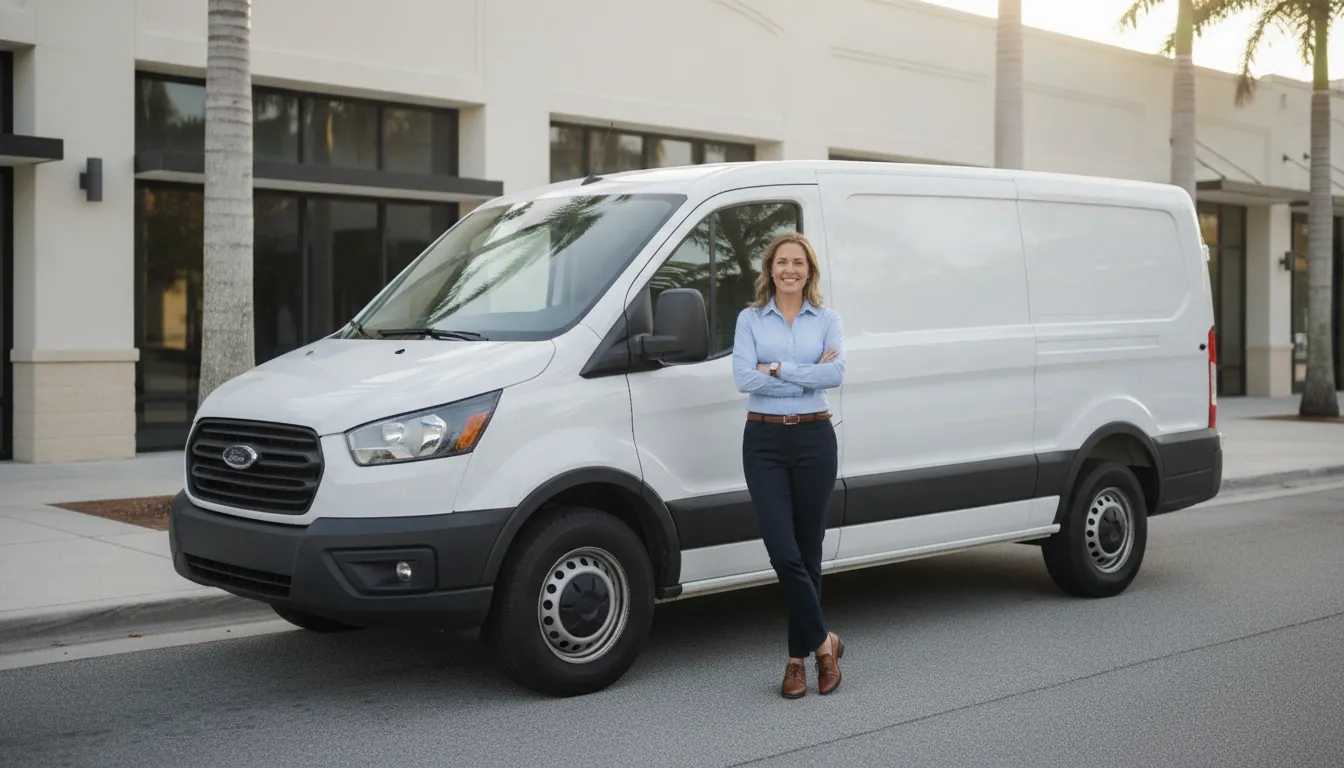
Best Commercial Auto Insurance in Florida: How to Choose
For a Florida business owner, the right commercial auto policy has to do more than satisfy a registration requirement. It should fit how your vehicles are used, protect the people and property your drivers encounter. And leave room to grow from one work truck to a small fleet.
The best commercial auto insurance in florida is not a single policy or carrier for every business. It is coverage matched to your vehicles, drivers, routes, limits, and risk profile, with quotes compared on protection and service as well as price.
Florida requirements can be straightforward, but choosing useful limits and coverage takes a closer look. A contractor with two vans may need a different approach from a delivery company with ten vehicles. While a business that rents cars or relies on employee vehicles may need additional protection. Start by understanding what commercial auto insurance covers and which options deserve a place in your quote comparison.
Request a free business insurance quote
What Is the Best Commercial Auto Insurance in Florida?
Finding the best commercial auto insurance in Florida starts with matching the policy to how your business actually uses its vehicles. A contractor with two pickup trucks, a florist with delivery vans. And a company operating a larger service fleet may all need commercial auto coverage, but their risks are not identical.
Commercial auto insurance is designed for vehicles owned, leased, or used by a business. It can protect the company when a covered vehicle causes bodily injury or property damage. And it can help repair or replace the vehicle after a covered collision or comprehensive loss. The right policy also accounts for who drives, where vehicles travel, what they carry, and whether employees use personal vehicles for company work.
Florida’s insurance market adds another layer of difficulty. Coverage decisions are affected by a high-volatility market and complex regulatory environment. So a policy that looks suitable at first glance may leave important gaps for a Florida business. Owners need a clear explanation of coverage, exclusions, deductibles, and carrier requirements, not just a fast premium estimate.
Who needs commercial auto coverage?
The Florida Office of Insurance Regulation describes commercial automobile policies as covering business vehicles with load capacities over 1,500 pounds or businesses insuring more than four vehicles. That means commercial coverage may be appropriate for more than large trucking operations. A landscaping company, plumbing business, catering operation, or local delivery company can have commercial exposure even when its vehicles stay close to home. Read the state guidance on commercial automobile insurance for the underlying definition.
Even a business with only one work truck should not assume a personal auto policy is enough. If the vehicle is titled to the company, used primarily for business, carries equipment, or is driven by employees, the policy should be reviewed for the actual exposure. If you operate several vehicles, a policy structured as fleet insurance for small business may make it easier to manage drivers, vehicles, limits, and renewal decisions together.
Why an independent broker can be useful
National carriers such as Liberty Mutual and Progressive can offer recognizable brands and direct quoting tools. However, a standardized process may not account for the details that make one Florida business different from another. An independent broker can compare options across multiple insurers and explain the tradeoffs before you choose.
Insurance Underwriters takes a consultative approach and has access to more than 200 carriers. That broader market view can help identify coverage that fits your vehicles, operations, and risk profile instead of forcing every business into a one-size-fits-all package. No broker can guarantee a specific price or approval, but careful questions and a comparison of coverage can make the decision more informed.
What Florida Requires for Commercial Auto Insurance
Florida’s minimum insurance rules can be easy to misunderstand, especially when a personal vehicle becomes a work vehicle or a small fleet starts growing. The state requires Personal Injury Protection (PIP) and Property Damage Liability (PDL) before you can register any vehicle with at least four wheels. The Florida Highway Safety and Motor Vehicles guidance also says you must maintain the required coverage throughout the registration period.
Florida is a no-fault state for injury claims. Its required PIP limit is generally $10,000, which helps pay for injuries to the insured person, regardless of who caused the crash. PDL pays for damage your vehicle causes to someone else’s property. These requirements apply to the registration of the vehicle. But they do not automatically provide the level of protection a business needs when employees, customers, cargo, and expensive equipment are involved.
What are Florida’s minimum commercial auto limits?
For commercial vehicles under 26,000 pounds, commonly cited Florida base minimums are 10/20/10: $10,000 for bodily injury to one person. $20,000 for bodily injury to two or more people, and $10,000 for property damage, along with $10,000 in PIP. The state generally does not require most commercial vehicles to carry bodily injury liability coverage. Which can make a minimum-limit policy look affordable while leaving a serious gap after an at-fault accident. These figures are summarized by MoneyGeek’s commercial insurance resources.
Weight matters for heavier vehicles. The reported minimums increase by weight band:
- 26,000 to 34,999 pounds: $50,000 combined single limit
- 35,000 to 43,999 pounds: $100,000 combined single limit
- 44,000 pounds or more: $300,000 combined single limit
A combined single limit is one total limit that can apply to covered bodily injury and property damage claims. Rather than separate limits for each person and type of loss. Confirm the applicable classification with your agent, especially if your business operates trucks, trailers, or vehicles across state lines.
What happens if coverage lapses?
A lapse is more than an administrative inconvenience. FLHSMV states that failing to maintain required insurance can lead to suspension of your driving privilege and license plate for up to three years. That can interrupt deliveries, service calls, and contracts while creating additional business costs.
For that reason, the best commercial auto insurance in Florida is not necessarily the policy with the lowest legal limit. A practical review should consider bodily injury liability, higher property damage limits, physical damage coverage, and the number and type of vehicles your business operates. Minimum coverage may satisfy registration rules, but it may not protect the income and assets that keep a small business running.
Commercial Auto Coverage Options to Compare
The right policy is rarely the one with the shortest quote or the lowest premium. Compare what each option protects, where exclusions apply, and how the coverage fits the way your business actually uses its vehicles. A contractor with two pickup trucks may need a different mix than a delivery company operating a growing fleet.
Core liability and vehicle protection
Commercial Automobile Liability is the foundation of a business auto policy. It can respond when the insured is liable for bodily injury or property damage caused by a covered vehicle. The Florida Office of Insurance Regulation identifies bodily injury and property damage as central parts of this coverage. Review the state explanation of commercial automobile liability when comparing quotes.
Do not assume the state minimum is enough for every business. A serious crash involving a company vehicle can create medical costs, vehicle damage, legal expenses, and lost income claims. Ask each broker or carrier to quote liability limits above the minimum and explain how the limits apply across your vehicles and claims.
Commercial Auto Physical Damage protects the vehicle itself. Comprehensive coverage generally addresses losses such as theft, vandalism, fire, or certain weather events, while collision addresses damage caused by impact. The Florida Office of Insurance Regulation describes commercial auto physical damage as including comprehensive and collision coverage. Check the state coverage definitions, then compare deductibles, covered vehicles, and whether leased or financed equipment has special requirements.
Add-ons that may fit your operation
Several optional coverages can close gaps that basic liability and physical damage leave open:
- Hired and Non-Owned Auto (HNOA): This can help address liability exposures when employees use rented vehicles or personal vehicles for business purposes. It is worth reviewing even if the company does not own every vehicle used on a job. See this guide to Hired and Non-Owned Auto coverage for a closer look.
- Cargo coverage: Consider it when vehicles transport tools, products, materials, or customer property. Ask whether protection applies while goods are loaded, in transit, and being unloaded.
- Medical payments: This may help with eligible medical expenses for people injured in a covered vehicle, subject to the policy terms and limits.
- Uninsured and underinsured motorist coverage: This can provide protection when another driver causes a crash but has no insurance or not enough coverage to address the loss.
- Rental reimbursement: This may help pay for a temporary replacement vehicle after a covered loss, keeping a work truck or delivery van from sitting idle while it is repaired.
If your company operates several vehicles, also compare a coordinated policy rather than treating every vehicle as a separate purchase. A practical fleet insurance for small business review can help you match limits, deductibles, drivers, and vehicle use across the operation.
What Drives Commercial Auto Insurance Cost in Florida
Commercial auto premiums are built around the risk a carrier expects to insure, so two Florida businesses with similar vehicles may receive very different quotes. The right coverage for a delivery company will not necessarily fit a contractor, food truck operator, or service business. That is why comparing the best commercial auto insurance in Florida means looking beyond a headline premium and reviewing how each carrier evaluates your operation.
Vehicle type, value, and repair exposure
The vehicle itself is an important starting point. A small cargo van, heavy work truck, box truck, and specialized vehicle present different risks, repair costs, and replacement values. Newer or more expensive vehicles can require higher physical damage limits, while vehicles carrying tools, equipment, or cargo may need coverage tailored to how they are used. The number of vehicles and whether they are owned, financed, or leased can also affect the policy structure.
Driver history and business use
Insurers typically review the driving records of covered drivers. Accidents, moving violations, license issues, and limited commercial driving experience can influence underwriting, while a consistent driver-selection and training process may help present a stronger risk profile. Keep driver information current when employees join or leave the business. Allowing an unlisted driver to use a company vehicle can create coverage and claims complications.
How the vehicles operate matters just as much. Underwriters may consider annual mileage, delivery frequency, operating radius, road types, and the cargo being transported. A vehicle used for short local service calls has a different exposure from one traveling throughout Florida or crossing state lines. Be accurate about these details rather than estimating too low. A quote based on incomplete usage information may not reflect the coverage your business actually needs.
Claims history, fleet size, and safety practices
Past claims help carriers understand patterns in the business. The frequency, severity, and circumstances of prior losses can affect how an application is evaluated. Fleet size is another factor. A business with two vehicles may be assessed differently from one with ten or more, although adding vehicles does not automatically produce a lower rate. A documented fleet safety program, regular vehicle maintenance, driver training, and clear accident-reporting procedures can give underwriters more context about how risk is managed.
Telematics and other fleet-safety tools may also support safer driving. Depending on the carrier and program, data such as speeding, harsh braking, and trip patterns can help identify coaching opportunities. Ask whether a carrier offers a program and how participation affects underwriting or renewal decisions. For practical ideas, see how to lower your commercial auto insurance premiums and reduce commercial auto insurance costs.
Why carrier comparisons matter
There is no universal commercial auto price because carriers weigh these factors differently. An independent broker can compare options across multiple carriers, explain differences in deductibles and limits, and help match the policy to your vehicles and operations. The goal is not simply the lowest quote. It is dependable protection at a price that reflects your actual risk, without leaving important gaps when your business needs to file a claim.
How to Compare Quotes and Choose a Provider
The best quote is not always the one with the lowest premium. A commercial auto policy needs to fit the vehicles you operate, the work your drivers perform, and the financial risks your business can realistically absorb. Use the same information and coverage questions with every insurer or broker so you are comparing equivalent protection.
- Gather accurate fleet details. Prepare a complete list of vehicles, including year, make, model, vehicle use, garaging location, and VIN for each unit. Include trailers or specialty vehicles when applicable. Also provide driver names, license information, experience, driving history, and the areas where they travel. Be specific about operations, such as local deliveries, construction work, food service, or interstate routes. Incomplete or outdated information can lead to an inaccurate quote and may create problems when a claim is reviewed.
- Separate required coverage from recommended protection. Florida requires proof of Personal Injury Protection and Property Damage Liability for vehicles with at least four wheels registered in the state, according to the Florida Highway Safety and Motor Vehicles requirements. Commercial auto liability addresses bodily injury and property damage for which the business is liable. While physical damage coverage can address comprehensive losses and collisions involving the vehicle itself, as outlined by the Florida Office of Insurance Regulation. Ask which limits are legally required, which limits customers or contracts may require, and which higher limits are sensible for your assets and operations.
- Get at least three quotes and compare coverage side by side. Request proposals using the same vehicle schedule, driver list, liability limits, physical damage selections, and deductibles. Then compare more than the premium. Check the limits, covered vehicles, additional insured wording, rental or substitute vehicle provisions, uninsured motorist options, and any endorsements. An independent broker may be able to compare options from 200 or more carriers, rather than presenting one insurer’s single solution.
- Check financial strength and claims reputation. An insurer should have the financial capacity to pay covered claims and a service record that fits your expectations. Review independent financial-strength information and ask how claims are reported, who handles them, and whether your business will have a dedicated contact. Ask for clear explanations rather than relying on a familiar brand name alone.
- Ask about savings that match your operation. Ask each provider whether your business qualifies for fleet discounts, telematics credits, or safety-program incentives. If you also need business property and liability coverage, request a comparison that includes a bundled business owner’s policy, commonly called a BOP. Discounts and bundles vary by carrier, so confirm what qualifies and whether the savings change the coverage or deductible.
- Review exclusions and deductibles before binding. Read the quote and policy forms carefully before signing. Look for exclusions involving employees’ personal vehicles, hired vehicles, cargo, specific territories, vehicle types, or prohibited uses. Confirm each deductible for collision, comprehensive, and other physical damage claims, along with any separate deductibles or conditions. Ask the provider to explain anything unclear, and keep the final vehicle schedule and coverage selections for your records.
A careful comparison gives you a clearer basis for choosing coverage that supports the business, not simply a number that looks attractive at first glance.
Who Is the Best Company for Your Business?
There is no single insurer that is best for every Florida business. The right choice depends on your vehicles, drivers, operating radius, cargo, and the other risks your company needs to cover. An independent broker and a national carrier can both provide a valid route to coverage, but the buying experience and range of options are different.
A direct carrier can be convenient when your needs are straightforward. An independent Miami broker can take a more consultative approach by comparing options from more than 200 carriers and helping you fit commercial auto coverage into a broader business insurance plan.
| What to compare | Independent broker | Direct national carrier |
|---|---|---|
| Carriers considered | Can shop coverage across more than 200 insurance carriers, depending on eligibility and the details of your business. | Typically quotes coverage from one carrier and its available commercial auto programs. |
| Coverage breadth | Can compare different limits, deductibles, endorsements, and policy structures to match your vehicles and operations. | Offers the carrier’s own coverage options, underwriting rules, endorsements, and available limits. |
| Business lines | Can help coordinate commercial auto with property, general liability, workers’ compensation, or other business policies. | May bundle other lines when the carrier offers them, but the choices remain within that carrier’s product range. |
| Service and claims guidance | Provides an ongoing point of contact who can explain policy choices, help review changes, and guide you when a claim arises. | Service generally follows the carrier’s call center, agent network, online tools, and claims process. |
| Quote process | Gathers your business details once, then compares suitable markets and explains meaningful differences between proposals. | Works directly through the carrier’s application and underwriting process, which may be efficient for a simple risk. |
| Who you talk to | A broker who represents your interests while presenting available carrier options. | The carrier’s representative, producer, or service team for that company’s products. |
When comparing the best commercial auto insurance in Florida, look beyond the logo and the first premium shown. Ask whether the liability limits fit your contracts, whether physical damage coverage reflects the value of your vehicles. And whether important exclusions or deductibles could create a problem later. A lower quote is not necessarily the better policy if it leaves a critical exposure uninsured.
Your business may also change after the policy starts. Adding a vehicle, hiring a driver, moving into delivery work, or using personal vehicles for company errands can affect your protection. A broker who understands your operation can help you revisit the policy as those details change, rather than treating the transaction as finished once the certificate is issued.
Request a free business insurance quote
Frequently Asked Questions
What is the best company for commercial auto insurance?
The best provider is the one that matches your vehicles, drivers, routes, limits, and claims needs rather than simply offering the lowest premium. An independent broker can compare multiple carriers and help you evaluate liability limits, physical damage deductibles, endorsements, service expectations, and renewal terms side by side.
Which insurance company is best for commercial vehicles?
There is no single best carrier for every Florida business. A contractor with work trucks may need different underwriting and coverage options than a delivery company with vans or a growing fleet. Compare carriers on coverage fit, financial strength, claims support, available discounts, and whether the policy can scale as you add vehicles.
What insurance does a commercial vehicle need in Florida?
Florida requires proof of Personal Injury Protection and Property Damage Liability before registering a four-wheel vehicle. The Florida Department of Highway Safety and Motor Vehicles also says required coverage must remain active throughout the registration period. Because a lapse can lead to suspension of driving privileges and license plates for up to three years. See the Florida insurance requirements for current details.
What does commercial auto liability insurance cover?
Commercial Automobile Liability generally addresses bodily injury and property damage for which the insured is liable. Your business may also need physical damage coverage, which can protect the vehicle itself against comprehensive losses and collision damage. Review limits and exclusions with a licensed professional before choosing a policy.
What is the average cost of commercial auto insurance in Florida?
There is no reliable one-size-fits-all average for a small business fleet. Premiums can change substantially based on vehicle type and value, driver records, territory, mileage, business use, claims history, selected limits, and deductibles. Request comparable quotes using the same information and coverage limits so you can compare the actual value of each option, not just the headline price.
Ready to compare your Florida coverage options?
The right commercial auto policy should reflect your vehicles, drivers, and day-to-day work, rather than force your business into a one-size-fits-all option. A straightforward review can help you identify coverage gaps and compare choices with more confidence. When you are ready to discuss your needs, request a free business insurance quote from a team that understands small business coverage.
Comments
Not found any comments yet.