
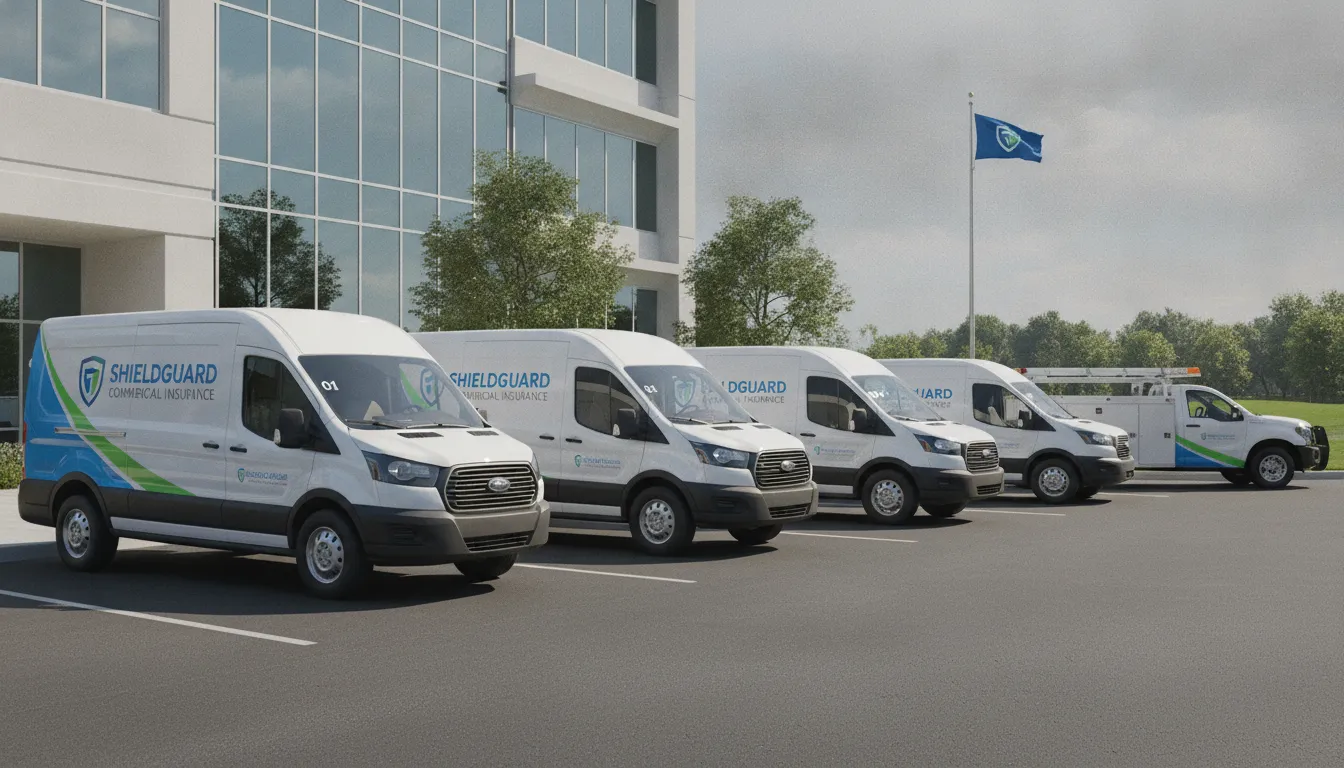
Fleet Insurance Small Business Guide: Coverage, Costs & Tips
If your small business runs two or more trucks, vans, or cars, you are juggling multiple insurance renewal dates, paperwork, and payment schedules. Fleet insurance consolidates every business vehicle under a single policy and can lower your cost per vehicle compared to buying individual commercial auto plans. Understanding how fleet insurance works, what it covers, and how to control costs helps you protect your growing business without drowning in administrative work.
Fleet insurance small business owners select is a single policy that covers two or more commercial vehicles under one plan. Instead of buying a separate policy for each truck or van, you group them together. This approach lowers administrative overhead and often reduces cost per vehicle. Policies come in two formats: scheduled plans that list each vehicle individually and blanket plans that cover any vehicle the business owns. An independent broker like Insurance Underwriters can compare rates from over 200 carriers to find the right fit.
Fleet Insurance Small Business: What Is Fleet Insurance for Small Businesses?
Fleet insurance is a commercial auto policy designed for businesses that operate multiple vehicles. Instead of managing separate policies for each car, van, or truck, you combine them under one master contract. This simplifies renewal dates, billing, and coverage management. Most states require commercial auto coverage for any vehicle used for business purposes, so a fleet policy keeps you compliant while reducing paperwork.
How to Qualify for a Fleet Plan
Qualification depends on the insurer. Some carriers allow fleet policies starting at two vehicles. Others set the minimum at five. The typical range for small business fleet coverage falls between two and twenty vehicles. If you have a smaller operation, standard commercial auto insurance coverage for individual vehicles may work until you cross the fleet threshold. A broker can help you find carriers with lower minimums.
Fleet plans also simplify adding or removing drivers as your team grows. You do not need to renegotiate the entire contract when you hire a new delivery driver or sell a van. The master policy adjusts with a simple endorsement, saving you time and administrative fees.
Types of Vehicles You Can Insure
Fleet policies cover a wide range of commercial vehicles. Insurers categorize them by gross vehicle weight rating (GVWR), which affects premium calculations and coverage requirements.
- Light trucks and vans: GVWR up to 10,000 lbs. Includes cargo vans, minivans, small pickups, and SUVs used for service calls or local deliveries.
- Medium-duty trucks: GVWR 10,001 to 20,000 lbs. Common for landscaping crews, moving companies, and regional delivery fleets.
- Heavy-duty trucks: GVWR over 20,001 lbs. Includes dump trucks, semi-trucks, box trucks, and freight haulers.
- Trailers and tow-behind equipment: Added to the policy for an additional premium. Useful for contractors hauling skid steers or excavators.
- Specialty vehicles: Food trucks, refrigerated vans (reefers), utility service trucks with aerial buckets or cranes.
- Passenger vans and shuttles: Vehicles carrying employees or clients, often used by hotels, senior care facilities, and event services.
- Rental and seasonal fleet vehicles: Trucks or vans used only during peak seasons, such as holiday delivery surges or snow removal contracts.
Most insurers allow you to mix vehicle types on a single fleet policy. A plumbing company might insure two work vans and one heavy-duty service truck under the same policy. This flexibility makes fleet insurance practical for small businesses with diverse equipment.
Scheduled vs. Blanket Coverage
Choosing the right coverage structure affects how your policy responds when you add, sell, or replace vehicles. The same way general liability insurance protects your business from third-party claims, the right fleet structure safeguards your vehicles. Each approach has trade-offs worth understanding.
Scheduled policies require you to list each vehicle and its assigned driver. Every addition or removal needs a formal endorsement. This structure works well for fleets with stable vehicle counts and predictable driver assignments. Premiums are calculated per vehicle, so you only pay for what you list.
Blanket policies cover all vehicles the business owns or leases without requiring individual listings. When you purchase a new van, it is automatically covered. This flexibility suits growing businesses that frequently add vehicles. Premiums are based on total fleet value and exposure rather than per-vehicle counts. According to the Insureon fleet insurance guide, blanket policies help businesses scale without constant policy updates.

How Does Fleet Insurance Work?
A fleet policy functions as a master agreement between your business and the insurance carrier. Instead of tracking multiple renewal dates and billing cycles, you receive one invoice and one renewal notice. Most small business owners work with an independent broker to set up their fleet policy. The broker gathers quotes from multiple carriers, compares coverage terms, and recommends the best fit based on your fleet size, vehicle types, and driver history.
Factors That Drive Your Rate
Insurance carriers evaluate several factors when pricing a fleet policy. Understanding these helps you make decisions that lower your premiums.
- Driver motor vehicle records (MVRs): Carriers review the driving history of every operator. Accidents, speeding tickets, or DUIs increase rates. Regular MVR screening helps maintain a clean fleet.
- Vehicle types and usage: Heavy trucks cost more to insure than light vans. Vehicles that cross state lines or carry hazardous materials require higher limits. Delivery fleets have different risk profiles than service fleets.
- Annual mileage: The more miles your fleet logs, the higher the exposure. Tracking and capping individual driver mileage helps control costs.
- Claims history: A fleet with frequent claims pays higher premiums. Implementing a safety program can reduce claims over time and improve your loss ratio.
- Radius of operation: Local fleets operating within a single metro area generally pay less than fleets covering multiple states or regions.
- Garaging location: Vehicles parked in high-crime areas or regions prone to hail, flooding, or theft see higher comprehensive premiums.
Anti-theft devices, GPS tracking, and dash cameras can qualify your fleet for discounts. The same telematics data that helps you manage drivers can also serve as evidence for lower rates at renewal.
Protecting Cargo, Tools, and Hired Vehicles
A standard fleet policy covers liability and physical damage to your vehicles, but many small businesses need additional layers of protection. Cargo insurance covers tools, equipment, and goods you transport. For a plumbing or electrical contractor, this means the expensive tools in the truck bed are covered if stolen or damaged. Cargo insurance for small businesses fills the gap that standard auto policies leave open. For a full breakdown of what a consolidated business plan covers, check our guide to business insurance for startups and small businesses.
Hired and non-owned auto coverage protects your business when employees drive their own cars for work tasks or when you rent a vehicle temporarily. If a delivery driver crashes a personal car while making a company run, this coverage responds. Many small businesses overlook this exposure and end up paying out-of-pocket for accidents that happen during the workday.
Fleet Insurance vs. Commercial Auto Insurance: Key Differences
The line between fleet insurance and standard commercial auto can confuse small business owners. Both cover business vehicles, but the structure and cost model differ in important ways.
| Feature | Standard Commercial Auto | Fleet Insurance |
|---|---|---|
| Minimum vehicles | One | Usually two to five |
| Cost structure | Priced per vehicle independently | Bulk rate applied to the group |
| Administrative work | Separate policy per vehicle | One policy, one renewal date |
| Adding new vehicles | Must issue a new policy | Simple endorsement or blanket auto-coverage |
| Driver rating | Individual driver rating per vehicle | Aggregate fleet loss experience |
| Best fit | Solo businesses with one vehicle | Growing businesses with 2+ vehicles |
| Vehicle type mixing | Usually single class of vehicle | Supports mixed vehicle types on one policy |
When your business owns only one work truck, a standard commercial auto insurance for business fleets policy works fine. As you add a second or third vehicle, the cost of separate policies compounds, and fleet insurance becomes the more economical choice. Most carriers offer fleet rates once you cross the two- to five-vehicle threshold.
What Does Small Business Fleet Insurance Cover?
A comprehensive fleet policy bundles multiple coverage types into one agreement. Understanding each component helps you avoid gaps that could leave your business exposed.
Core Liability and Physical Damage
Liability coverage is legally required in most states. It pays for bodily injury and property damage your drivers cause to others. Minimum limits vary by state, but small businesses should consider higher limits to protect assets. Collision coverage repairs your vehicles after an accident. Comprehensive coverage handles theft, vandalism, fire, flood, and weather damage. Uninsured and underinsured motorist coverage protects your fleet when another driver causes damage but has insufficient insurance.
At Insurance Underwriters, we help business owners evaluate their risk exposure and recommend limits that match their fleet size and operational footprint. Our access to over 200 carriers means we can shop for the right balance of coverage and cost, not just the cheapest option.
Specialized Add-Ons for Fleet Owners
Beyond the core coverages, several endorsements address the specific risks fleet operators face. Medical payments coverage handles driver and passenger injuries regardless of fault. Rental reimbursement keeps your business moving while damaged vehicles are repaired. Gap coverage pays the difference between a totaled vehicle’s actual cash value and what you still owe on a loan or lease. For businesses with a repair shop, garage liability insurance covers claims related to service work performed on customer vehicles. A Business Owners Policy can bundle general liability, property, and business interruption with your fleet coverage for a comprehensive protection package.
How to Save Money on Fleet Insurance
Premium savings come from reducing carrier risk. Every measure you take to lower accident frequency, theft risk, or driver error directly impacts your renewal rates. Here are proven strategies that small business fleet operators use.
Driver Screening and Safety Programs
The cheapest claim is the one that never happens. Screen every new hire by pulling their MVR before putting them behind the wheel. A single at-fault accident can increase your premium by 20 to 40 percent. Formal safety programs that include defensive driving training, regular vehicle inspections, and accident review protocols demonstrate to carriers that you take risk management seriously. For additional protection, consider how certificates of insurance help you verify vendor coverage when subcontractors use their own vehicles on your jobs. Our fleet safety program guide walks through the steps to build a program that insurers recognize.
Telematics and Vehicle Tracking
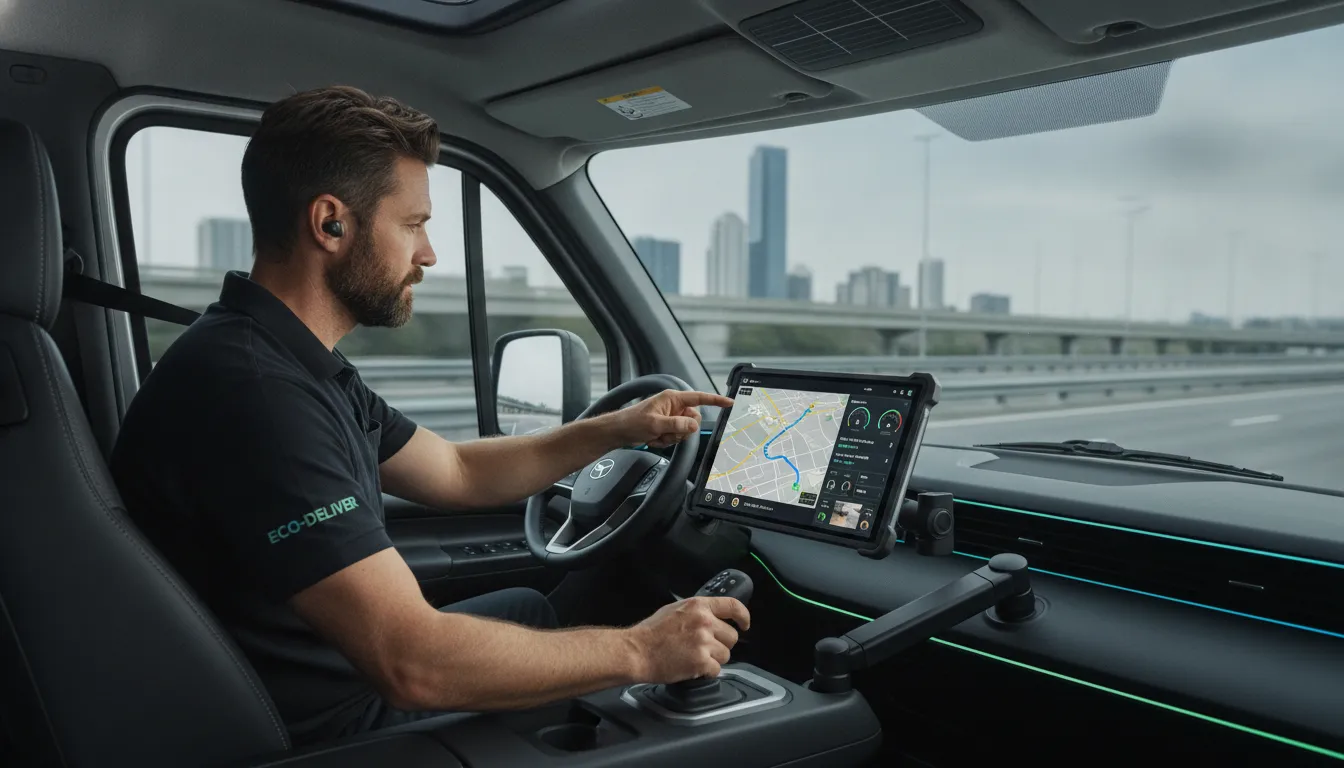
GPS tracking, dash cameras, and telematics systems give carriers real-time data on driver behavior. Speeding, harsh braking, and rapid acceleration all correlate with higher accident risk. When you can show a carrier that your fleet uses telematics to coach drivers and reduce risky behavior, you qualify for usage-based discounts. Many carriers offer 5 to 15 percent premium reductions for fleets with active telematics programs. See our complete guide to fleet safety telematics for commercial auto insurance for implementation tips and carrier requirements.
Practical Cost-Saving Steps
-
Raise your deductibles. Increasing your collision and comprehensive deductibles from $500 to $1,000 can lower your premium by 10 to 15 percent. Make sure your business can absorb the higher out-of-pocket cost if a claim occurs.
-
Bundle policies with one carrier. Many insurers offer multi-policy discounts when you combine fleet auto with general liability, property, or workers compensation coverage. It simplifies billing and reduces total cost.
-
Review coverage on older vehicles. A ten-year-old work truck may not need collision or comprehensive coverage if the premium exceeds the vehicle’s actual cash value. Dropping physical damage on aging vehicles frees up budget for higher liability limits on newer units.
-
Pay annually instead of monthly. Installment fees add up. Many carriers offer 5 to 8 percent savings for paying the full annual premium upfront.
-
Ask about industry-specific discounts. Some carriers offer lower rates for fleets in specific industries such as landscaping, HVAC, or food delivery, based on their loss experience data for those sectors.
Who Needs Fleet Insurance?
Any business that operates multiple vehicles for commercial purposes should evaluate fleet insurance. The structure benefits a wide range of industries and business sizes.
Industries That Benefit Most
Service businesses that send technicians to customer locations are natural candidates for fleet insurance. Plumbing, HVAC, electrical, and landscaping companies often run five to fifteen vans and trucks. Delivery and courier services with multiple drivers also benefit from the consolidated management and bulk pricing. Food trucks, catering businesses, and mobile retail operations use fleet policies to cover their specialized vehicles. Sales organizations with three or more company cars assigned to outside representatives often find fleet insurance cheaper than individual commercial auto policies.
Even non-traditional fleets qualify. Nonprofit organizations that operate multiple passenger vans for client transport and churches with shuttle buses can use fleet policies designed for their specific exposure profile.
Commercial vs. Personal Auto Use
Personal auto policies explicitly exclude business use. If an employee crashes a personal car while making a delivery or visiting a client, the personal carrier will deny the claim. Commercial auto or fleet coverage fills this gap. The distinction between personal and commercial use hinges on who owns the vehicle, how it is used, and whether the business derives revenue from its operation. If your employees drive for work tasks, you need commercial coverage. Period. For a complete overview of how all these business insurance pieces fit together, visit our commercial insurance page.
Frequently Asked Questions
How many vehicles do you need for a fleet insurance policy?
Most insurers allow fleet policies starting at two vehicles. Some carriers require a minimum of five to qualify for fleet rates. The threshold varies by company and your industry. An independent broker can help you find carriers with lower minimums for small fleets.
Does fleet insurance cover leased vehicles?
Yes, most fleet policies cover leased vehicles. You must inform your agent about any leased trucks or vans so the correct loss payee is listed on the policy. Fleet plans typically cover both owned and leased assets under the same master agreement.
Is fleet insurance cheaper than individual policies?
Usually yes, once you have two or more vehicles. Bulk pricing allows carriers to reduce administrative costs, and those savings pass to you. Per-vehicle premiums on a fleet plan typically run 10 to 30 percent lower than equivalent standalone commercial auto policies.
Can I add and remove vehicles from a fleet policy mid-term?
Yes. Scheduled policies require an endorsement for each change. Blanket policies cover new vehicles automatically. Both options allow mid-term adjustments, though blanket policies offer more flexibility for growing fleets.
Does fleet insurance cover employees driving their own cars?
Standard fleet policies do not cover employee-owned vehicles. You need hired and non-owned auto coverage added as an endorsement. This coverage protects your business when employees use personal cars for work-related driving.
Ready to Get a Fleet Insurance Quote?
Fleet insurance simplifies how you manage commercial vehicle coverage while reducing cost per vehicle. Whether you run two vans or twenty trucks, an independent broker can help you compare policies across multiple carriers to find the right balance of coverage and price.
Comments
Comments are closed.