

General Liability Insurance: What It Covers & Costs
Running a business comes with its share of “what ifs.” What if a customer gets hurt on your property? What if you accidentally damage a client’s equipment? These are the common, everyday risks that General Liability Insurance is designed to cover. It’s the foundational policy nearly every business owner should get first. Without it, one unexpected lawsuit could lead to tens of thousands in legal bills and settlements, potentially putting your entire company at risk. Think of it as your financial safety net, protecting you from the most common claims you might face.
Need general liability coverage for your business? Get a personalized quote from Insurance Underwriters today.
This comprehensive guide explains exactly what general liability insurance covers, what it does not cover, how much it costs, and how to determine the right coverage for your business. Whether you run a small LLC or a large corporation, understanding your liability exposure is essential to protecting your financial future.
What Exactly Is General Liability Insurance?
General liability insurance is a commercial policy that protects businesses against third-party claims of bodily injury, property damage, and personal or advertising injury. It covers legal defense costs, settlements, and judgments when someone outside your company files a claim against your business.
General liability insurance is a foundational business policy that pays for third-party bodily injury, property damage, personal injury, and advertising injury claims. Every business that interacts with customers, vendors, or the public needs this coverage to protect against lawsuits that could otherwise bankrupt the company.
Most general liability policies provide $1 million per occurrence and $2 million aggregate coverage limits. The policy responds when a third party (someone who is not your employee) alleges that your business caused them harm through negligence, and it is frequently required by landlords, clients, and government contracts before you can operate.
For a deeper dive into policy structure, limits, and pricing, see our complete general liability insurance guide.
What’s Covered by General Liability Insurance?
General liability insurance covers four primary categories of claims. Each addresses a distinct type of risk that businesses face in their daily operations. Understanding these categories helps you evaluate whether your current coverage is adequate and identify potential gaps.
General liability insurance covers four main claim types: bodily injury to third parties, damage to others’ property, personal and advertising injury, and medical payments regardless of fault. These coverages protect businesses against the most frequent and costly lawsuits they encounter.
When Someone Gets Hurt: Bodily Injury Claims
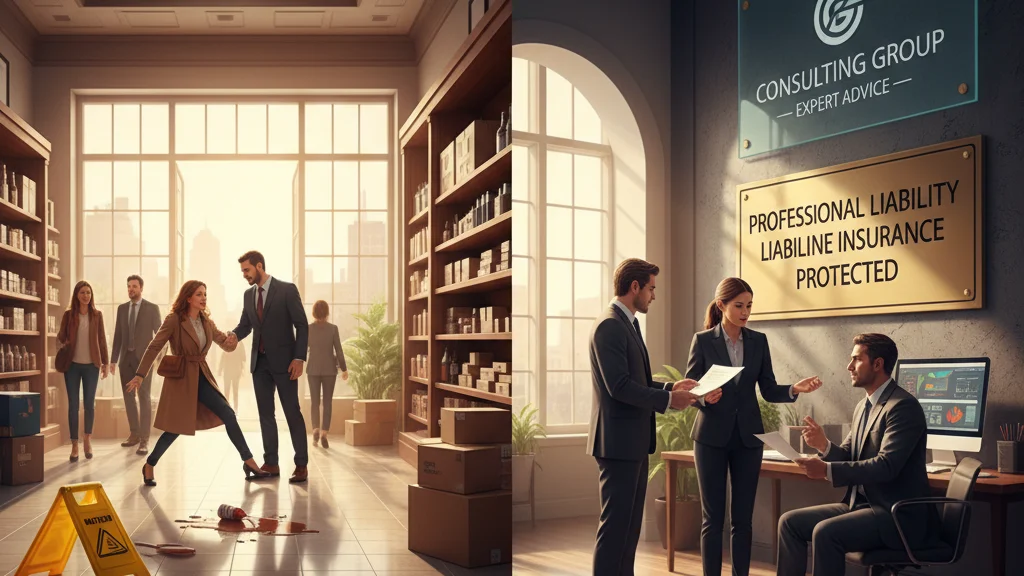
Bodily injury coverage pays when a third party suffers physical harm connected to your business operations or premises. This is the most commonly filed type of general liability claim and covers a wide range of scenarios.
Common bodily injury claims include:
- Slip-and-fall accidents: A customer slips on a wet floor in your store and breaks their wrist.
- Product-related injuries: A consumer is injured by a product you sold or manufactured.
- Worksite accidents involving non-employees: A delivery driver trips over equipment at your job site.
- Food-related illness: A patron at your restaurant becomes sick from contaminated food.
The policy pays for the injured person’s medical bills, rehabilitation costs, lost wages, pain and suffering, and your legal defense costs if they file a lawsuit. Legal defense costs are typically paid in addition to your policy limits, meaning they do not reduce the amount available for settlements.
Bodily injury claims are among the most expensive liability claims. The median cost of a slip-and-fall claim exceeds $20,000, and complex cases involving serious injuries can cost $100,000 or more. Businesses in construction, retail, hospitality, and healthcare face the highest frequency of bodily injury claims.
Covering Accidental Property Damage
Property damage coverage responds when your business operations cause physical damage to someone else’s property. This includes damage caused by your employees, your products, or your business activities at any location.
Examples of covered property damage claims:
- A plumber accidentally floods a client’s basement while performing repairs.
- Your delivery driver backs a company truck into a customer’s fence.
- A cleaning crew uses the wrong chemical and damages a client’s hardwood floors.
- Construction debris from your job site damages a neighboring building.
The policy covers repair or replacement costs for the damaged property, loss of use (if the property owner cannot use their property while repairs are made), and your legal defense costs. Contractors, service businesses, and companies that work on client premises should pay particular attention to property damage limits.
If your business uses vehicles for operations, note that general liability does not cover auto-related damage. You need separate commercial auto insurance for vehicle accidents.
Defending Your Reputation and Copyright
This coverage protects against non-physical harm claims, including defamation, libel, slander, copyright infringement, false arrest, and invasion of privacy. It also covers advertising injury, which includes claims that your marketing materials harmed another business.
Covered scenarios include:
- Defamation: A competitor claims your blog post contained false statements about their company.
- Copyright infringement: You unknowingly use a copyrighted image in your advertising.
- False arrest: Your security guard wrongfully detains a customer suspected of shoplifting.
- Invasion of privacy: Your business inadvertently publishes a customer’s private information.
In the digital age, advertising injury claims are increasing. Businesses with active online marketing, social media presence, or content marketing programs should ensure their general liability policy includes robust personal and advertising injury limits.
Concerned about your liability exposure? Contact Insurance Underwriters for a comprehensive coverage review.
Additional Key Coverages
Beyond the four main pillars of coverage, a standard general liability policy includes other specific protections that are vital for many businesses. These coverages address risks that occur after your work is done or relate to property you use but don’t own. Understanding these built-in features helps you get the most out of your policy and ensures you’re not caught off guard by common operational risks.
Products-Completed Operations
Your liability doesn’t end when you finish a job or sell a product. Products-completed operations coverage protects your business if a product you sell or work you complete later causes bodily injury or property damage. For example, if a deck you built collapses a year after completion and injures the homeowner, this coverage would respond to the resulting lawsuit. This is essential protection for contractors, manufacturers, and any business that sells a physical product, as claims can arise months or even years after the initial transaction.
Damage to Premises Rented to You
If your business rents its workspace—whether it’s an office, a storefront, or a warehouse—this coverage is crucial. Damage to premises rented to you is a standard part of most general liability policies and covers costs if you are held responsible for damaging the property you lease. For instance, if an employee accidentally starts a fire that damages your rented office space, this coverage would pay for the repairs. It’s important to note that this coverage typically has a lower limit than your main liability limit and only applies to damage to the rented premises, not your own property inside it.
Important Endorsements for Contractors
A standard general liability policy is a great start, but contractors often need to add endorsements to meet specific contractual requirements and cover unique job site risks. An endorsement is an amendment that modifies your policy, either by adding or removing coverage. Working with a knowledgeable broker is key to identifying the right endorsements. A strategic partner can review your contracts and operations to build a construction insurance program that helps you win bids and protects your bottom line.
Blanket Additional Insured Coverage
For many contractors, this is one of the most important endorsements you can have. Clients and general contractors will almost always require you to name them as an “additional insured” on your policy, which extends your liability coverage to them for work you do. A blanket additional insured endorsement automatically provides this status to any party you are contractually required to cover, without you needing to call your broker to add each one by name. This saves significant time and administrative hassle, ensuring you are always in compliance with your contracts and ready to start work immediately.
Handling Immediate Medical Expenses (MedPay)
Medical payments coverage, often called Med Pay, is a no-fault provision within your general liability policy. It pays for minor medical expenses when a third party is injured on your premises or because of your operations, regardless of whether your business was at fault.
Med Pay typically has lower limits, usually $5,000 to $10,000 per person. Its purpose is to cover small injuries quickly and prevent them from becoming larger lawsuits. If a customer falls in your store and needs a few hundred dollars in medical treatment, Med Pay covers it immediately without requiring a liability investigation.
This coverage builds goodwill with injured parties and often prevents small incidents from escalating into expensive litigation.
Paying for Your Legal Defense
One of the most valuable components of general liability insurance is coverage for legal defense costs. When a claim or lawsuit is filed against your business, the insurance company assigns defense attorneys and pays all associated legal fees.
Legal defense costs include attorney fees, court costs, expert witness fees, deposition expenses, and other litigation costs. On most general liability policies, defense costs are paid in addition to your policy limits, meaning they do not reduce the total amount available for claim settlements.
Even a frivolous lawsuit can cost $10,000 to $50,000 in legal defense. Without insurance, these costs come directly from your business revenue.
What Isn’t Covered by General Liability?
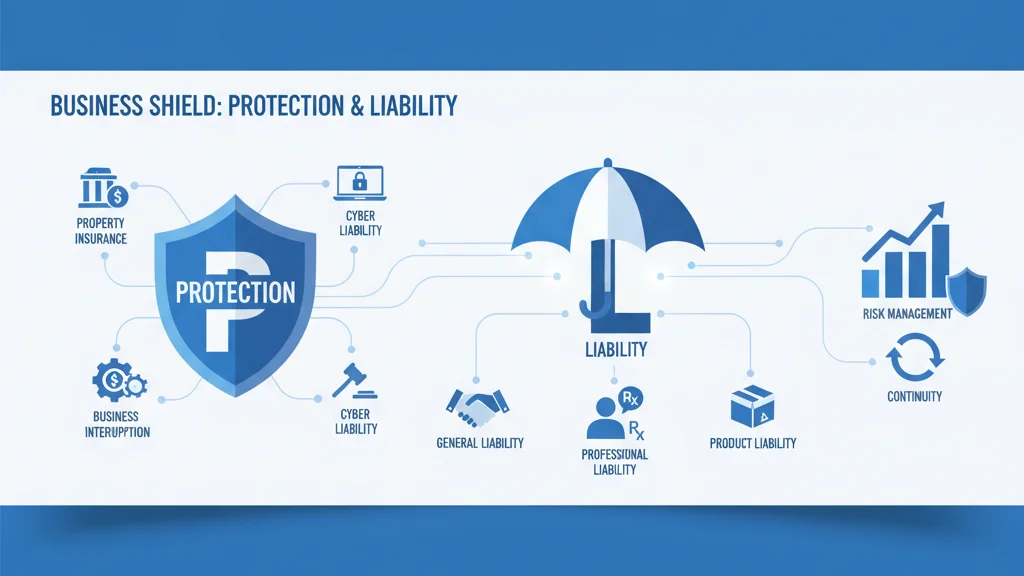
Understanding exclusions is just as important as understanding what the policy covers. General liability insurance has specific exclusions that require separate policies to address.
Common exclusions include:
- Employee injuries: Work-related employee injuries are covered by workers’ compensation insurance, not general liability.
- Professional errors: Mistakes in professional advice or services require professional liability insurance (errors and omissions coverage).
- Auto accidents: Vehicle-related incidents need commercial auto insurance.
- Intentional acts: Deliberate damage or harm caused by your business is never covered.
- Your own property: Damage to your business property requires commercial property insurance.
- Cyber incidents: Data breaches and cybersecurity failures need cyber liability insurance.
- Pollution and environmental damage: Environmental liability requires specialized pollution coverage.
Many businesses address these gaps by purchasing a business owners policy (BOP), which bundles general liability with commercial property insurance at a reduced cost. For LLCs and other small businesses, a BOP is often the most cost-effective way to build comprehensive coverage.
Theft of Your Own Business Property
It’s a tough lesson to learn, but general liability insurance won’t help you if your own business property is stolen. This policy is designed to protect you from claims made by others—like a customer who gets injured at your store—not to cover losses to your own assets. For example, if someone breaks into your office and steals your computers and inventory, general liability won’t pay to replace them. This is considered a first-party loss, and it falls outside the scope of liability coverage.
To safeguard your physical assets against theft, you need a dedicated commercial property insurance policy. This coverage is essential for protecting your building, equipment, tools, and inventory from risks like theft, fire, and vandalism. Understanding this distinction is key to building a solid risk management strategy. Relying solely on general liability leaves your most valuable physical assets exposed, creating a significant financial vulnerability for your business.
How Much Does General Liability Insurance Cost?
General liability insurance costs vary significantly based on your industry, business size, location, claims history, and coverage limits. However, most small businesses pay between $400 and $1,500 per year for standard coverage.
Key factors that influence your premium:
- Industry risk classification: A construction company pays significantly more than an accounting firm because the risk of bodily injury and property damage claims is higher.
- Annual revenue: Higher revenue generally means more customer interactions and greater exposure, which increases premiums.
- Number of employees: More employees create more opportunities for liability incidents.
- Claims history: Businesses with previous claims pay higher premiums.
- Location: Operating in states with higher litigation rates or cost of living increases premiums.
- Coverage limits: Higher limits cost more. Standard limits are $1M per occurrence / $2M aggregate.
- Deductible: Choosing a higher deductible lowers your premium but increases out-of-pocket costs when a claim occurs.
For a detailed breakdown of business insurance costs across all policy types, see our comprehensive pricing guide.
Understanding the Numbers: Average Costs
So, what’s the bottom line? While every business is unique, it helps to have a ballpark figure in mind. General liability insurance costs vary significantly based on your industry, business size, location, and claims history. That said, most small businesses can expect to pay between $400 and $1,500 per year for a standard policy. This range covers a wide array of businesses, from small consulting firms on the lower end to retail shops or restaurants that might fall on the higher end of that spectrum. Think of this as a foundational investment in your company’s financial security, protecting you from the kinds of claims that can derail even the most promising ventures.
Monthly Premium Statistics
When you see quotes for “standard coverage,” it typically refers to a policy with specific limits. Most general liability policies provide $1 million per occurrence and a $2 million aggregate limit. The “per occurrence” limit is the maximum amount the insurer will pay for a single claim or incident. The “aggregate” limit is the total maximum amount the insurer will pay out for all claims during your policy period, which is usually one year. These limits are the industry standard and are often the minimum required in client contracts or commercial leases, providing a solid layer of protection for most common business risks.
Factors That Influence Your Premium
Insurance premiums aren’t arbitrary; they’re calculated based on your specific risk profile. Several key factors directly influence how much you’ll pay for general liability coverage. The most significant is your industry’s risk classification—a contractor will naturally have higher risk exposure than a graphic designer. Other critical factors include your annual revenue, the number of employees you have, your physical location, and your business’s claims history. Finally, the coverage limits and deductible you select will also move the needle. Understanding these levers is the first step toward strategically managing your insurance costs and building a resilient business.
Business Experience
Your company’s revenue and operational footprint play a direct role in pricing your insurance. Generally, higher annual revenue suggests a larger volume of business activity, more customer interactions, and greater overall exposure to potential claims. For example, a business serving thousands of customers a year has more opportunities for a slip-and-fall or product-related incident than a business serving a few dozen. While higher revenue can increase premiums, a long track record of safe operations and a clean claims history can work in your favor, demonstrating to insurers that your experience has made you a lower-risk partner.
Size and Condition of Your Premises
The physical aspects of your business are also a key part of the risk equation. A larger workforce means more activity and a higher probability of incidents that could lead to a third-party claim. More employees create more opportunities for liability incidents, whether it’s a team member accidentally damaging client property or a visitor getting injured on-site. The condition of your premises matters, too. A well-maintained, safe environment with clear walkways and proper lighting reduces risk. Conversely, a property in disrepair can be seen as a liability hazard, potentially leading to higher premiums.
Smart Ways to Save on Your Premium
While you can’t change your industry, you have more control over your insurance costs than you might think. By taking a strategic approach, you can secure the right protection without overpaying. Bundling policies is one of the most effective methods. Many businesses can benefit from a business owners policy (BOP), which combines general liability and commercial property insurance at a reduced rate. This not only simplifies your coverage but also delivers significant savings. Beyond bundling, focusing on proactive risk management and carefully selecting your coverage options can make a real difference to your bottom line.
Pay Your Premium Annually
Here’s a simple but often overlooked way to save a little cash: pay your entire premium for the year upfront. While paying in monthly installments can feel more manageable for cash flow, insurers often add small administrative or service fees to each payment. These fees can add up over the course of a year. By paying annually, you eliminate those extra charges. It’s a straightforward switch that can reduce your total cost without changing your coverage at all. Ask your broker to show you the cost difference between a monthly and an annual payment plan.
Proactive Risk Management
The best way to lower your insurance costs over the long term is to be a lower-risk business. Implementing a formal safety program, documenting your operational procedures, and maintaining a clean claims history are powerful signals to insurers. When you actively manage risk, you reduce the likelihood of filing a claim in the first place. This includes understanding your policy inside and out—knowing what is and isn’t covered helps you prevent incidents related to policy exclusions. A strong risk management culture not only protects your employees and customers but also makes your business more attractive to top-tier insurance carriers.
Avoid Unnecessary Add-Ons
It can be tempting to add every available endorsement to your policy “just in case,” but this can quickly inflate your premium. A smarter approach is to work with an advisor to pinpoint your actual exposures. Only buy extra coverage or endorsements if you truly need them. For example, if you don’t handle client data, you may not need a high-limit cyber liability add-on. This is where an expert can be invaluable. At Insurance Underwriters, we help you analyze your specific operations to ensure you’re paying for the protection you need, not for hypotheticals that don’t apply to your business.
A Note on Taxes: Is It Deductible?
Business owners are always looking for ways to manage expenses, and insurance is no exception. The good news is that general liability insurance premiums are typically considered an ordinary and necessary cost of doing business, which generally makes them tax-deductible. This can help offset some of the expense. However, tax laws can be complex and vary based on your business structure and other factors. For that reason, it’s always a good idea to check with a qualified tax expert or CPA to confirm how your insurance premiums should be handled on your tax returns.
Does Your Business Need General Liability Insurance?
Every business that interacts with customers, clients, vendors, or the general public should carry general liability insurance. While not legally required in most states, it is practically essential for business operations.
Businesses that especially need general liability coverage include:
- Retail stores and restaurants: High foot traffic means high slip-and-fall risk.
- Contractors and construction firms: Work on client property creates significant property damage exposure.
- Professional service firms: Client interactions create advertising and personal injury exposure.
- E-commerce businesses: Product-related injury claims can arise even without a physical storefront.
- Home-based businesses: Your homeowners policy typically excludes business activities.
- Freelancers and consultants: Clients often require proof of liability coverage before signing contracts.
Most commercial leases require tenants to carry general liability insurance. Government contracts, client agreements, and industry associations frequently mandate minimum coverage levels as well. A certificate of insurance proving your coverage is standard practice in business-to-business relationships.
Building Trust and Winning Bigger Jobs
Think of general liability insurance as more than just a safety net; it’s a proactive tool for business growth. When you can provide a certificate of insurance, you’re sending a powerful message to potential clients: you are a responsible, professional, and stable business partner. This isn’t just about appearances—it’s often a non-negotiable requirement. Many larger clients, government agencies, and commercial landlords won’t even consider working with a business that lacks adequate coverage. Having this foundational protection in place shows you’re serious about your operations and prepared for the unexpected, which builds the essential trust needed to land more significant contracts and elevate your reputation in the industry.
This proof of coverage does more than just check a box on a contract; it gives clients peace of mind. It demonstrates that if an accident happens on their property or as a result of your work, there’s a clear financial path to make things right without a messy legal battle. This level of preparedness can be a major differentiator, setting you apart from competitors who may be operating without a proper safety net. Ultimately, investing in the right general liability policy is an investment in your company’s credibility. It allows you to confidently pursue larger, more lucrative jobs, knowing you have the backing to protect both your business and your clients’ interests. Securing the right coverage is a strategic step toward sustainable growth.
General Liability vs. Other Key Business Policies
Business owners often confuse general liability with other types of commercial insurance. Understanding the distinctions helps you build a complete coverage program without gaps or unnecessary overlaps.
| Policy Type | What It Covers | Key Difference from GL |
|---|---|---|
| General Liability | Third-party bodily injury, property damage, advertising injury | Core premises and operations liability |
| Professional Liability | Errors, omissions, negligent advice | Covers professional service failures, not physical harm |
| Commercial Property | Your business property and equipment | Covers your property, not third-party claims |
| Umbrella Insurance | Excess liability above primary policy limits | Extends limits, does not replace GL |
| Business Owners Policy | GL + commercial property + business interruption | Bundle that includes GL plus other coverages |
LLCs and Liability Insurance: A Two-Part Strategy
Many business owners think that forming an LLC is the ultimate shield against liability. While it’s a critical first step, it’s only half of a complete protection plan. An LLC separates your personal life from your business, but it doesn’t protect the business itself from costly lawsuits. A truly resilient business pairs its legal structure with the right insurance coverage, creating a two-part strategy that safeguards both your personal assets and your company’s future. This approach ensures that one unexpected event doesn’t derail everything you’ve worked to build.
Why You Need Both an LLC and Insurance
Forming a Limited Liability Company (LLC) is a smart move. It creates a legal wall between your business and your personal assets, like your house or car. If your business is sued for a significant amount, this structure helps ensure your personal property remains safe from collection. However, the lawsuit still targets your business directly. Any assets owned by the company—including its bank accounts, inventory, and equipment—are still at risk of being used to pay a judgment. The LLC protects you personally, but what protects the business itself from being wiped out?
That’s where general liability insurance comes in. While your LLC shields your personal finances, a general liability policy protects your business’s finances by covering claims of bodily injury, property damage, and advertising injury. Without it, a single lawsuit could drain your business revenue to pay for legal fees and settlements. A comprehensive insurance plan for your LLC is what allows your company to withstand a legal challenge and continue operating, making it the essential second half of your risk strategy.
Even a frivolous lawsuit can cost tens of thousands in legal defense. Without insurance, those expenses come directly out of your company’s pocket, pulling cash away from growth, payroll, and operations. General liability insurance covers these defense costs, preserving your capital for what matters most. Think of it this way: your LLC builds the fortress, and your insurance policy provides the army to defend it. Together, they create a robust defense that protects both your personal wealth and your business’s long-term viability.
Choosing the Right General Liability Policy for You
Selecting the right general liability policy requires evaluating your specific risk profile and business needs. Here are the key steps:
- Assess your risk exposure: Identify the types of third-party interactions your business has and the potential for injury or damage claims.
- Determine required limits: Review lease agreements, client contracts, and industry standards for minimum coverage requirements. Most businesses need at least $1M per occurrence / $2M aggregate.
- Review exclusions carefully: Understand what your policy does not cover and purchase additional policies to fill gaps.
- Consider bundling: A business owners policy often provides better value than purchasing individual policies.
- Work with an experienced broker: An insurance advisor can identify risks you may overlook and secure competitive rates from multiple carriers.
Understanding Policy Limits and Deductibles
Your policy limits and deductibles are two of the most important numbers in your general liability policy, as they directly impact both your coverage level and your costs. The policy limit is the maximum amount your insurer will pay for a covered claim, while the deductible is the amount you must pay out-of-pocket before your insurance coverage begins. Think of it as a partnership: you cover the deductible, and your insurer handles the rest, up to the policy limit. Choosing the right balance between these two figures is a key part of building a smart insurance strategy that protects your business without straining your budget.
Common Limits for Small Businesses
Most general liability policies provide $1 million per occurrence and $2 million aggregate coverage limits. The “per occurrence” limit is the maximum amount the policy will pay for a single incident, while the “aggregate” limit is the total amount it will pay for all claims during your policy year. While these standard limits are sufficient for many businesses, your client contracts or lease agreements may require higher amounts. If you need more coverage, you can add a commercial umbrella policy, which provides extra liability protection on top of your existing policies, giving you greater peace of mind.
Typical Deductible Amounts
Deductibles for general liability policies commonly range from $500 to $2,500 per claim. As a general rule, choosing a higher deductible lowers your premium but increases your out-of-pocket costs when a claim occurs. This is a strategic decision about cash flow and risk tolerance. If your business has a healthy cash reserve and a low risk of claims, a higher deductible might make financial sense. However, it’s crucial to select a deductible amount that your business can comfortably pay at a moment’s notice without causing financial strain. The goal is to save on premiums without taking on an unmanageable risk.
What Is a Certificate of Insurance (COI)?
A certificate of insurance, or COI, is a one-page document that serves as proof of your insurance coverage. It summarizes the essential details of your policy, including the policyholder’s name, coverage types, policy limits, and effective dates. Think of it as an insurance ID card for your business. A certificate of insurance proving your coverage is standard practice in business-to-business relationships. Landlords, clients, and general contractors will almost always ask for a COI before they allow you to start work or sign a contract. This assures them that you have the financial backing to cover any potential accidents, protecting their own interests in the process.
Finding Coverage for High-Risk Businesses
If your business operates in an industry with a higher-than-average risk of claims, such as construction or roofing, you may be considered “high-risk” by insurers. This category can also include businesses with a significant history of past claims. While it’s true that businesses with previous claims pay higher premiums, obtaining coverage is still entirely possible. The key is to work with an experienced broker who has access to specialty insurance markets, also known as surplus lines carriers. These insurers specialize in covering unique and high-risk operations. A proactive risk management plan can also help demonstrate your commitment to safety and potentially lower your costs over time.
Frequently Asked Questions
What does general liability insurance cover?
General liability insurance covers third-party bodily injury, property damage, personal injury (defamation, false arrest), advertising injury (copyright infringement, libel), medical payments regardless of fault, and legal defense costs when claims are filed against your business.
How much does general liability insurance cost?
Most small businesses pay between $400 and $1,500 per year for general liability insurance. Costs vary based on your industry, revenue, location, claims history, and coverage limits. High-risk industries like construction pay more than low-risk office-based businesses.
Is general liability insurance required by law?
General liability insurance is not legally required in most states. However, it is practically required for most businesses because landlords, clients, and government contracts typically mandate minimum coverage levels before you can operate.
General vs. Professional Liability: What’s the Difference?
General liability covers physical harm and property damage caused by your business operations. Professional liability covers financial losses caused by professional errors, bad advice, or failure to deliver promised services. Both are important, but they address different types of risk.
Does general liability cover employee injuries?
No. Employee work-related injuries are covered by workers’ compensation insurance, not general liability. General liability only covers injuries to third parties such as customers, vendors, and visitors.
Can I get general liability insurance as a sole proprietor or LLC?
Yes. Sole proprietors, LLCs, partnerships, and corporations can all purchase general liability insurance. In fact, forming an LLC and carrying general liability coverage together provide the strongest protection for your personal assets against business-related lawsuits.
Ready to protect your business? Get a general liability insurance quote from Insurance Underwriters today.
Key Takeaways
- Know Your Core Protections: General liability insurance is your business’s primary defense against common third-party claims, covering bodily injury, property damage, and personal or advertising injury. It pays for legal fees, settlements, and medical costs, protecting your company’s finances from everyday operational risks.
- Recognize What Is Not Covered: This policy has specific exclusions, so it is important to know what it does not cover. Employee injuries require workers’ compensation, professional mistakes need professional liability insurance, and damage to your own assets requires commercial property coverage. Understanding these gaps is key to building a complete risk management plan.
- Use Insurance as a Growth Tool: Having the right general liability policy is more than just defense; it is a business asset. It allows you to meet contractual requirements, build trust with larger clients, and confidently pursue bigger opportunities, knowing you have solid financial backing.
Comments
Comments are closed.