
Builders Risk Insurance Florida: A Complete Guide
A Florida construction project can face a major loss before the walls are finished. A hurricane, fire, theft, or severe rain can damage the structure and materials you have already paid for, while delays continue to add costs. Coverage needs to be in place before work begins so the policy matches the project’s actual risks.
Get a builders risk quote for your Florida project
Builders risk insurance florida is specialized property coverage for buildings and construction materials during the course of construction. It can help protect a project from covered property damage, but the protection depends on the carrier’s form, coverage limits, deductibles, exclusions, and the parties listed as insureds.
Florida adds considerations that ordinary property coverage may not address cleanly, including hurricanes, heavy rainfall, coastal exposure, and strict building codes. Understanding what this coverage is designed to protect, and where gaps commonly appear, is the starting point for making a practical decision.
What Is Builders Risk Insurance and Why Florida Builders Need It
Builders risk insurance, also called course of construction insurance, is specialized property coverage for a structure while it is being built. It can protect the building in progress and materials stored on the job site from covered property damage during the construction period. That makes it different from a standard commercial property policy, which is generally designed for a completed building. For broader commercial property protection, the policy should reflect how the property will be used after construction ends.
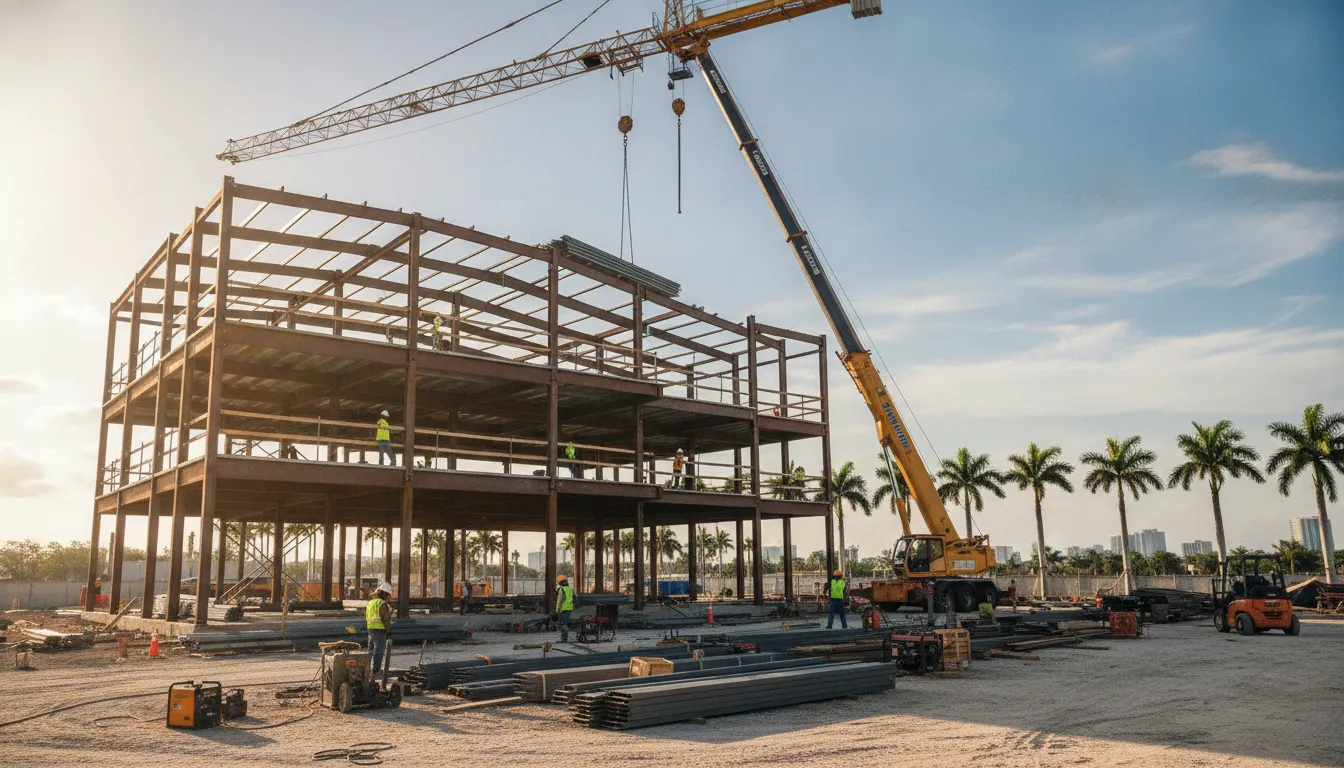
Consider a contractor building a new warehouse near Miami. Before the doors open, the project may include framing, electrical systems, roofing materials, equipment, and partially completed improvements. A covered loss during that stage could damage more than the visible structure. It could also destroy materials waiting to be installed and force the project to absorb cleanup, replacement, and delay-related costs. Builders risk coverage is designed around that temporary, changing exposure.
Florida construction brings changing weather and regulatory risks
Florida projects face a combination of hurricanes, heavy rainfall, strict building codes, and rapid development. Those conditions can affect a construction site before work is complete, especially when materials are exposed or a building has not yet reached its final level of protection. A coastal condominium project, for example, may need careful attention to wind-related terms, project timing, construction methods, and the location of materials. Florida’s construction environment presents these challenges together, rather than as isolated risks. Source context on Florida construction conditions.
Coverage is not identical from one carrier to another
One of the most important details is that builders risk insurance is not a uniform, one-size-fits-all product. Most carriers use manuscripted, non-standard forms, so covered causes of loss, exclusions, deductibles, extensions, and project conditions can vary significantly. Two policies with similar limits may provide very different protection for a warehouse or condo build.
That is why the application should describe the actual project, including its value, materials, construction stage, location, and expected completion date. Reviewing the form itself matters as much as comparing the premium. A contractor or developer who understands those differences can choose coverage that matches the project’s real exposure instead of assuming every builders risk policy works the same way.
What Builders Risk Insurance Florida Covers and Excludes
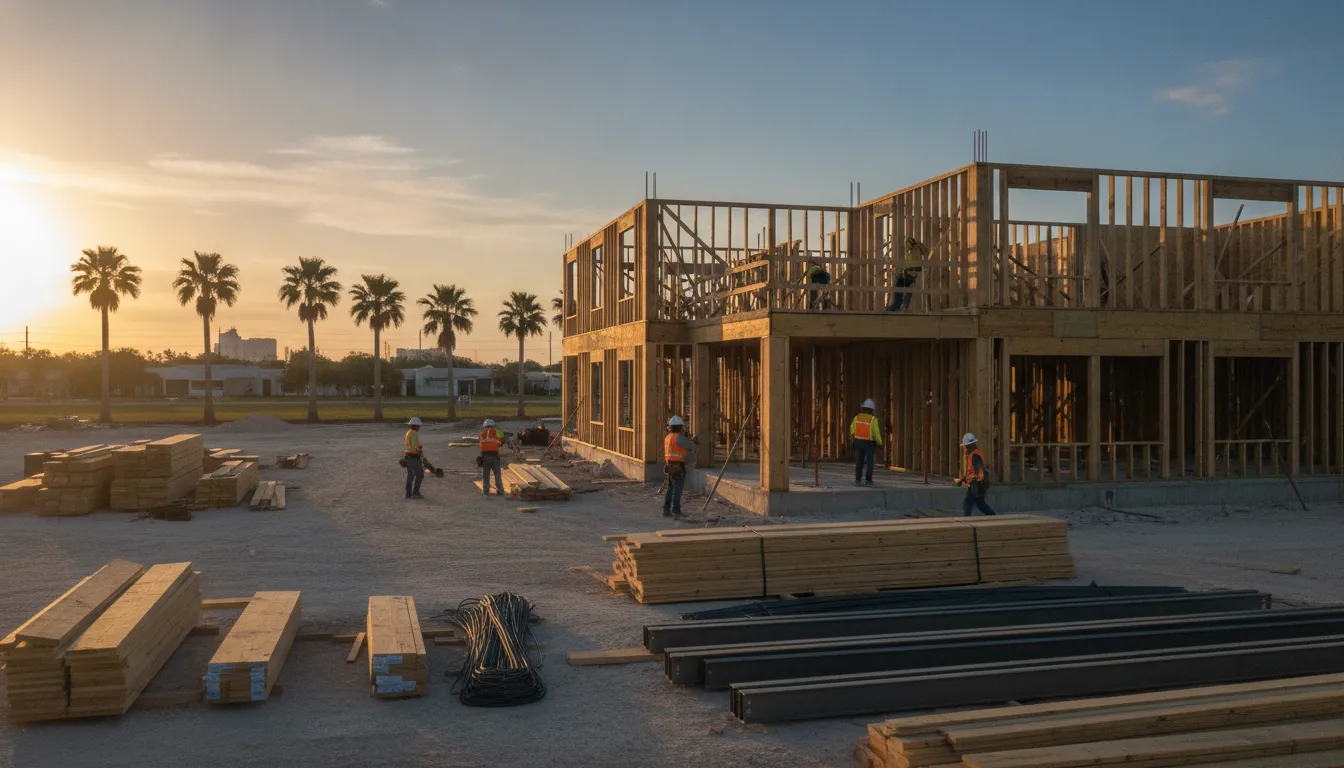
A builders risk policy is designed for the property exposure that exists while a project is being built. Depending on the policy form and limits, it can cover the structure under construction, temporary structures, construction materials waiting on site, installed fixtures, and certain equipment. Covered property may include framing, windows, plumbing materials, cabinets, and appliances before the project is finished.
Covered causes of loss commonly include fire, lightning, hail, explosions, theft, vandalism, and hurricanes. These perils are listed among the risks builders risk insurance may address by The Hartford. Coverage is not automatic for every project or every type of damage, however. Builders risk forms vary by carrier, so the declarations, exclusions, deductibles, and endorsements matter as much as the policy name.
Hurricanes and named-storm deductibles
Florida projects need a close review of wind and named-storm terms. Named-storm deductibles are typically 2% to 5% of the policy’s coverage amount, according to Barnes Walker. A 2% deductible on a $500,000 covered project would be $10,000, not $2% of a small repair bill. Some policies also apply windstorm sublimits, which can cap the amount available for certain losses.
Coastal construction may carry higher premiums and stricter underwriting terms because of wind and storm-surge exposure. Before work begins, confirm whether the policy covers hurricane-related wind damage, how the deductible is calculated, and whether flood or storm surge requires separate insurance.
Common exclusions to understand
Flood, earth movement, mold, and pollution are commonly excluded or restricted. Faulty workmanship is also generally not covered simply because a construction error caused damage. For example, a policy may respond to resulting damage from a covered event while excluding the cost to correct defective installation. Read the exclusions and endorsements with the project team, rather than assuming every construction problem falls under builders risk.
Flood coverage is often separate. If the site has coastal, river, drainage, or storm-surge exposure, review flood insurance in Florida before choosing limits.
Valuable coverage extensions
Endorsements can address costs that are easy to overlook after covered property damage. Depending on the form, useful extensions may include debris removal, demolition, increased cost of construction, and expediting expenses. Soft-cost extensions can also cover delay-in-completion expenses such as rush shipping when a covered loss delays the project. A policy may also cover delay-in-completion soft costs when a covered loss delays the project. Examples include lost sales, rental income, additional loan interest, and real estate taxes, as described by The Hartford.
Ask for each extension to be stated clearly, with its own limit, waiting period, and conditions. That detail helps the policy match the project’s actual financial exposure instead of leaving the owner to absorb an unexpected gap.
How Much Does Builders Risk Insurance Cost in Florida?
Builders risk premiums are often estimated as about 1% to 4% of the project’s total construction value. That is a planning range, not a guaranteed quote. The final price depends on the location, project type, construction method, materials, policy duration, coverage limits, and deductible selected. A coastal concrete renovation and a wood-frame structure inland may receive very different terms even when their budgets are similar. Barnes Walker identifies the 1% to 4% range and notes that these project characteristics affect the premium.
For example, a $500,000 construction project using that broad estimate could produce an annual premium range of approximately $5,000 to $20,000. This is an illustration for budgeting only. It is not a quote from Insurance Underwriters, and the policy may be priced differently based on the actual risk and requested coverage.
What drives the price?
- Total project value: The policy limit generally needs to reflect the completed value of the structure and covered materials. A higher limit means more property at risk and typically a higher premium.
- Construction materials and method: Frame, masonry, and concrete construction present different exposure profiles. The project type also matters, such as a new commercial building, renovation, addition, or specialty structure.
- Florida location: A coastal ZIP code can bring greater wind and hurricane exposure than an inland location. Florida projects also face heavy rainfall and strict building requirements, which can affect underwriting terms.
- Deductible: Choosing a higher deductible can reduce the premium, but it increases the amount the project owner or other responsible party must pay after a covered loss. Named-storm deductibles may be calculated separately from the all-other-perils deductible.
- Policy duration and limits: A project that runs longer, includes stored materials, or needs extensions such as soft-cost coverage may require broader terms than a short, straightforward build.
Does hurricane-season timing change the cost?
Timing can affect how easily a Florida project is placed and what terms an insurer will offer, especially when construction begins or remains exposed during hurricane season. Waiting until a storm is approaching can create underwriting delays, restrictions, or fewer options. Start the application early with the project value, plans, materials, location, schedule, and requested deductibles available.
Market examples should also be treated carefully. For instance, a Zurich-backed plan advertised by US Assure lists a $400 minimum premium in Florida. That is one competitor’s product example, not Insurance Underwriters’ pricing or a promise that every project can be insured for that amount. Since builders risk forms vary by carrier, compare the coverage and exclusions along with the premium.
Builders Risk vs General Liability vs Commercial Property Insurance
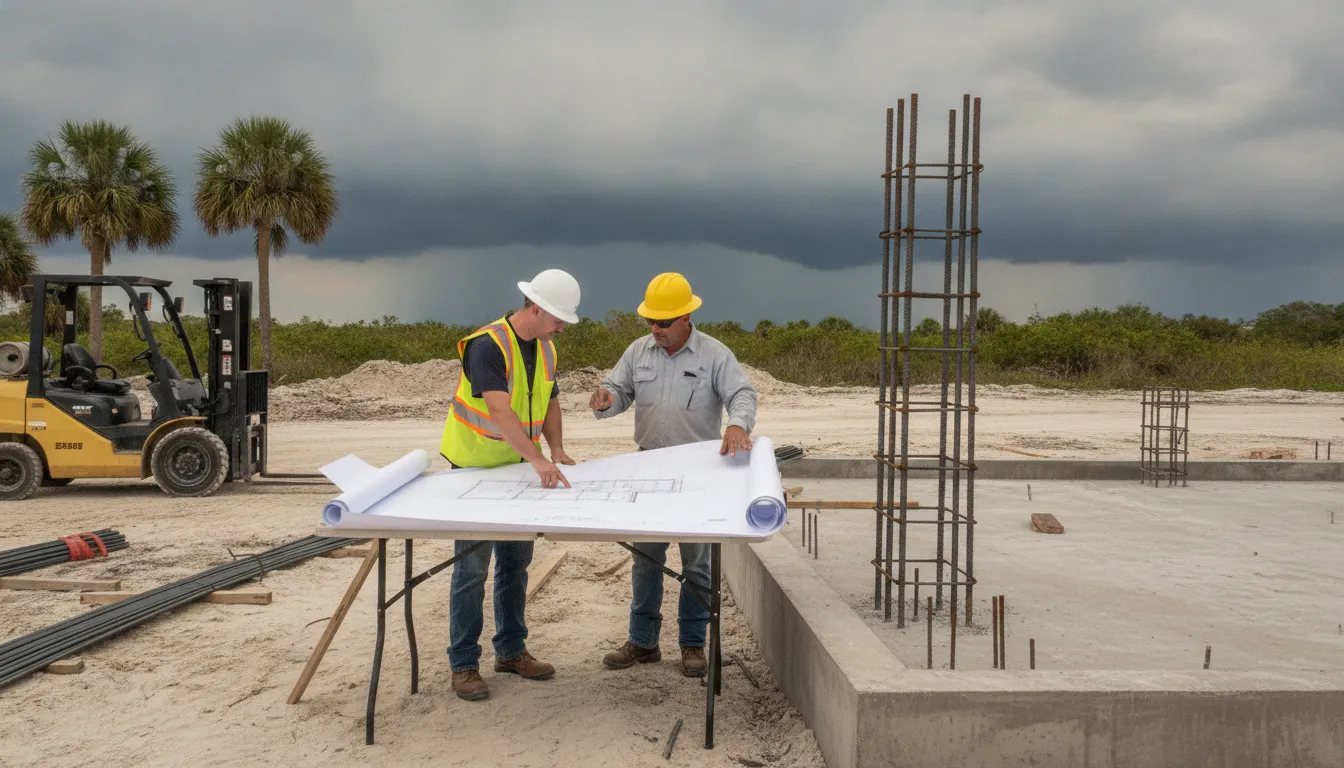
These policies answer different questions on a Florida construction project. Builders risk covers what happens to the building and materials before the work is complete. General liability covers who pays if someone else is injured or their property is damaged. Commercial property insurance is designed for an operating, completed building. Treating them as interchangeable can leave a contractor or owner responsible for a major loss.
| Coverage | Primary purpose | What it does not replace |
|---|---|---|
| Builders risk | Protects the structure under construction and job-site materials during the build. Common perils may include fire, wind, theft, vandalism, and hurricanes, subject to the policy terms. | It is not a substitute for liability coverage when a third party is injured or property is damaged. |
| General liability | Responds to covered third-party bodily injury and property damage claims, such as a visitor injured on the site or damage caused to a neighboring property. | It generally does not insure the building itself, installed materials, or the project’s construction value. |
| Commercial property | Protects an eligible completed building and its business contents after the property is placed into service, according to the policy terms. | It is not intended to cover the active construction phase or the changing value of a project being built. |
The Hartford describes builders risk as specialized property insurance for buildings and materials during construction. Coverage is often written on an all-risk basis, meaning covered causes of physical loss are broadly addressed unless excluded, but “all-risk” does not mean every loss is covered. Exclusions, deductibles, limits, and Florida-specific wind or storm provisions matter.
For many Florida contractors, carrying all three is the practical approach: general liability for third-party claims. Builders risk for the construction-phase property exposure, and commercial property coverage once the building is complete. Builders risk fills the gap neither of the other two is designed to fill. Review the project structure, contracts, lender requirements, and transition date with an advisor who understands construction insurance in Florida.
Who Should Carry Builders Risk Insurance on a Florida Project
Responsibility for builders risk insurance should be settled before work begins, not after a storm, fire, or theft damages the site. The policy can name multiple parties, so the owner, contractor, lender, and other stakeholders do not have to rely on an informal promise that someone else is covered.
Property owner versus general contractor
Either the property owner or the general contractor may arrange the policy, depending on the construction contract and who controls the project’s risk. An owner may purchase coverage to protect the building, materials, and investment. A general contractor may handle it when the contract assigns responsibility for course-of-construction coverage, especially when the contractor manages the site and coordinates the trades.
Do not assume that the party buying the policy is the only party protected. Property owners and general contractors are commonly listed as insureds because both may have a financial interest in the work. Review the insurance section of the contract, confirm who will arrange coverage, and check the completed policy for correct names and limits. For a wider review of related policies, see our guide to contractor insurance coverages.
What lenders need to see
Florida law does not generally require builders risk insurance by statute. However, lenders commonly require it under construction loan agreements. The unfinished project and materials secure the loan, so a covered loss before completion threatens repayment. The lender may need to be listed as a mortgagee or loss payee, using the wording required in the loan documents.
Ask the lender for its insurance requirements early. Coverage limits, deductible terms, policy dates, and evidence of insurance may need approval before funds are released. A delay at this stage can postpone the start of construction.
Subcontractors and other interested parties
Subcontractors, architects, and other parties can also have an insurable interest in a project. The Hartford identifies property owners, general contractors, subcontractors, lenders, and architects as parties commonly included on builders risk policies (source). Naming the appropriate parties helps clarify who can participate in a claim, but it does not replace each subcontractor’s own liability and equipment coverage.
Keep builders risk responsibility separate from contractor surety bonds in Florida. A bond provides a different form of financial protection and does not insure the building or construction materials. Have the contract, lender requirements, and proposed policy reviewed together so every financial interest is addressed without overlapping or missing protection.
How to Get the Right Builders Risk Policy for Your Florida Project
A Florida contractor should treat builders risk as a project-specific decision, not a generic checkbox. Coverage needs to match what is being built, how long construction will take, and the weather exposures that could interrupt the work. Use these steps before your crew breaks ground.
- Document the completed project value and construction plan. Start with the expected finished value, not only the invoices already paid. Include labor, materials, fixtures, equipment that will become part of the structure, and other costs needed to complete the job. Give the broker a clear description of the project, construction type, location, site protections, and expected start and completion dates. For example, a contractor building a small coastal apartment project should identify the planned roofing materials, windows, mechanical equipment, and delivery schedule. The more complete the information, the less likely the policy is to be based on an incomplete estimate.
- Set limits to the full insurable value and choose a duration that covers the whole build. The limit should be large enough to rebuild or complete the project after a covered loss. Set the policy period from the point when exposure begins through the expected completion date, including time for inspections, punch-list work, and final turnover. Ask how the policy handles a delayed project. Tail coverage or an extension can keep protection in place when construction runs longer than planned, but it should be arranged before the original expiration date. Do not assume a short initial term will automatically continue.
- Compare the actual carrier forms, not just the proposal summary. Most carriers use their own manuscripted builders risk wording, and coverage can vary greatly between insurers. Compare definitions, covered causes of loss, exclusions, valuation, vacancy provisions, installation coverage, debris removal, and limits for soft costs. A proposal that looks less expensive may provide less protection for the same Florida project. The importance of reviewing the form is explained by Cavignac’s builders risk coverage overview.
- Line up windstorm terms before hurricane season. Confirm whether the policy includes windstorm, how named-storm deductibles apply, and whether the limit or coverage changes for wind-related losses. Coastal projects may face tighter underwriting and fewer placement options, so waiting until a storm is approaching can create a serious timing problem. Barnes Walker notes that coverage should be secured well before hurricane season. Schedule the earliest practical start for a coastal build, and ask specifically about deductibles, waiting periods, and any windstorm restrictions.
- Use a broker who understands Florida placements, then check every interested party and extension. A broker with access to carriers that understand Florida construction exposure can compare forms and solve difficult wind or coastal placement issues. Before binding, review the owner, general contractor, lender, subcontractors, and any other party with an insurable interest. Confirm additional insured wording where required by contract. Also discuss soft-cost extensions for expenses such as lost income, loan interest, or taxes when property damage delays completion. These details can matter as much as the physical building coverage, much like inland marine coverage may matter for property moving to and from a job site.
Request a Florida builders risk quote before you break ground
Frequently Asked Questions
Is builders risk insurance required by Florida law?
Florida law does not generally require a builders risk policy, but a lender commonly makes it a condition of construction financing. Your contract may also assign responsibility to the owner or general contractor, so confirm who must arrange coverage before work begins. Review the Florida coverage considerations with your insurance advisor.
Does builders risk insurance cover hurricane damage in Florida?
It can, but hurricane and wind coverage depends on the policy form, project location, limits, exclusions, and deductible. Florida policies may use named-storm deductibles of 2% to 5% of the insured value, while flood coverage is often separate. Read the wind, flood, and storm-surge terms rather than assuming every weather-related loss is covered. Flood insurance in Florida may address a separate exposure.
Who usually carries builders risk insurance on a Florida project?
The property owner or general contractor most often purchases the policy, depending on the construction agreement. The owner, contractor, lender, subcontractors, and architects may be listed when they have an insurable interest. The policy should match the contract and identify every party that needs protection before materials arrive on site.
How much does builders risk insurance cost in Florida?
There is no single Florida price. Premium depends on the completed project value, construction materials, project type, location, coverage limits, duration, and selected deductibles. Market guidance commonly places premiums around 1% to 4% of total construction value. But that range is not a quote and coastal or hurricane-exposed projects may receive different terms. Compare the factors that affect pricing before selecting a policy.
How is builders risk different from standard property insurance?
Builders risk is designed for a structure and its materials while construction or renovation is underway. Standard property insurance generally applies after a building is completed and occupied. A builders risk policy can therefore fill the construction-phase gap, while general liability addresses third-party injury or property damage claims rather than damage to the project itself.
Get started with a Florida builders risk quote
A project-specific review can help you match coverage to the construction work, materials, timeline, and Florida exposures involved. To get a builders risk insurance quote for your Florida construction project, request a quote online or call 305-900-2823. You can share the project details and receive guidance on the next steps without sorting through policy language alone.
Comments
Comments are closed.