

Employee Benefits Renewal Strategy: How Employers Control Costs
Controlling rising employee benefits costs feels like an annual battle for many employers. Without a clear employee benefits renewal strategy, businesses risk significant budget strain and employee dissatisfaction. Proactive planning and data-driven decisions are essential to navigate this complex landscape effectively.
Schedule a consultative risk assessment today with Insurance Underwriters by calling 786-344-9343 or visiting our employee benefits and HR services page.
An employee benefits renewal strategy is a proactive, data-driven plan employers use to manage and optimize their annual benefits packages. By evaluating current plan utilization, exploring alternative funding models, and negotiating carrier contracts. Businesses can control rising healthcare premiums while maintaining competitive benefits that support their workforce’s long-term needs.
Understanding the challenges of controlling these costs is the first step toward building a successful employee benefits renewal strategy. Here is how to begin.
What is an Employee Benefits Renewal Strategy?
The Rising Cost of Health Insurance
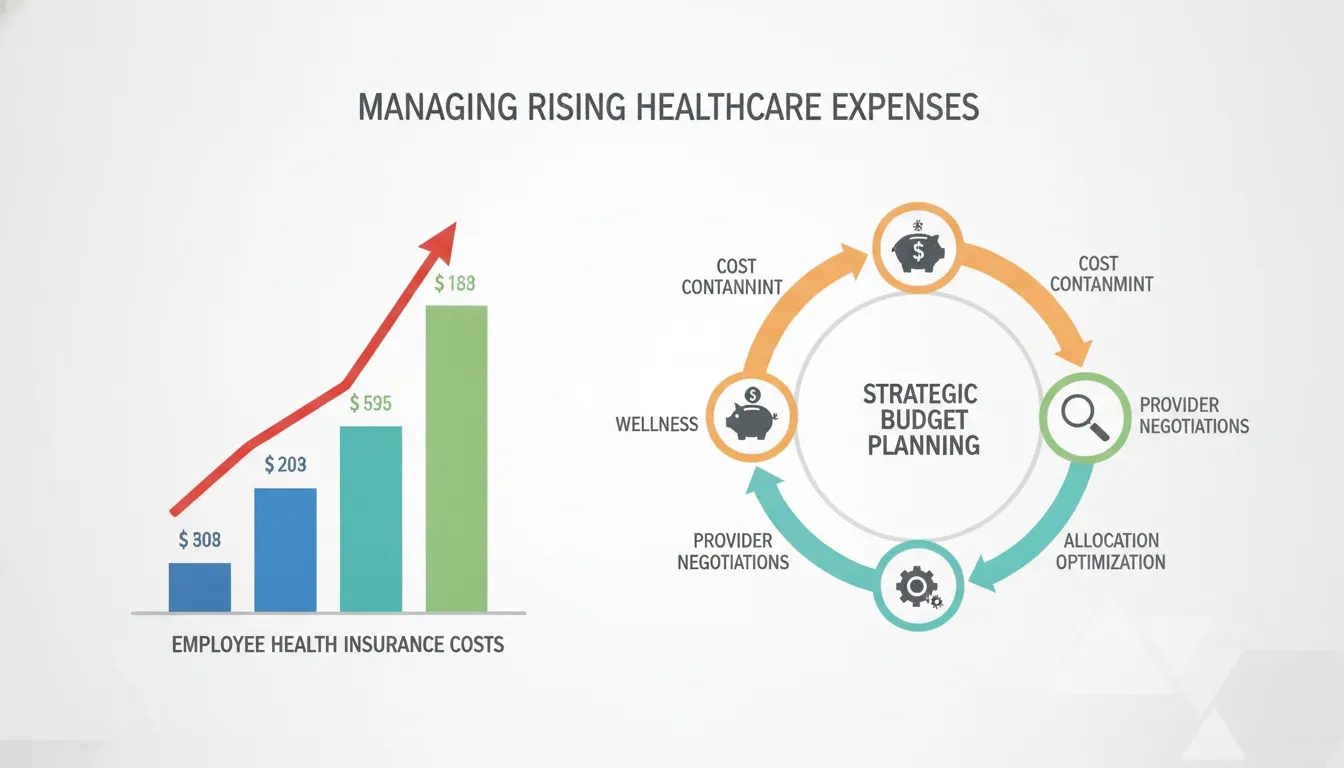
Businesses often face a big challenge: the rising cost of employee health insurance. Premiums can increase by 30% or more each year. This rise puts pressure on company budgets and impacts employee benefits.
These rising costs are not sustainable for most organizations. Businesses need new ways to manage expenses without cutting essential coverage. Reacting to price hikes yearly is no longer effective. At Insurance Underwriters, we see firsthand how a lack of planning hurts businesses.
Shifting to a Proactive Strategy
Many companies handle benefits renewals reactively. They wait for new quotes yearly and then negotiate prices. This transactional model often gives limited options and leads to ongoing cost increases.
A better path involves moving to a proactive employee benefits renewal strategy. This means planning early, checking data, and finding solutions before deadlines. Proactive steps help control costs and improve the benefits package. For small businesses, evaluating level funded plan renewals can be a great way to start this shift.
Advantages of a Strategic Approach
With a strategic view, companies find cost drivers and use solutions that give better value. This may include different plan designs, wellness programs, or other funding methods. The aim is to do more than just compare prices. The primary rule is that you are negotiating a relationship, not just a transaction.
A proactive strategy also helps businesses match benefits with long-term goals and employee needs. It ensures that money spent on benefits works best for both the company and its people. For full help, consider using our expert employee benefits and HR services to map your next steps.
A Step-by-Step 120-Day Benefits Renewal Timeline
A proactive employee benefits renewal strategy can simplify a complex process. By following a structured 120-day timeline, businesses can manage renewals smoothly. This approach helps avoid last-minute rush and ensures better plan choices.
-
120-90 Days Out: Initial Strategy and Goals
Begin with pre-renewal meetings involving key stakeholders. Define your objectives for the upcoming year. This includes reviewing current plan performance and setting budget expectations. Consider employee feedback and any changes in workforce demographics.
-
90-60 Days Out: Data Gathering and Market Review
Collect all necessary data, such as claims experience, enrollment figures, and demographic reports. Conduct a market review to understand new trends and available plan options. This data helps in making informed decisions about your benefits package. Analyze how current benefits align with company goals and employee needs. For further reading, consult resources on effective HR benefits management.
-
60-45 Days Out: Request for Proposals (RFPs)
Issue requests for proposals (RFPs) to various carriers and brokers, or get a group health benefits quote directly. Clearly outline your needs, employee demographics, and desired plan features. Evaluate proposals based on cost, network access, and administrative support. This step is key to finding competitive and suitable options.
-
45-30 Days Out: Plan Design and Negotiation
Review the received proposals in detail. Work with your broker or consultant to negotiate terms and pricing. Refine plan designs to meet both company budget and employee expectations. Make sure the selected plans offer good value and support employee well-being. Detailed guidance for this stage can be found in various Employee Retirement Income Security Act (ERISA) guidelines.
-
30-0 Days Out: Open Enrollment and Implementation
Prepare for open enrollment by creating clear communication materials for employees. Educate staff on their benefit options and any changes. Finalize all administrative tasks for new plan implementation. Ensure a seamless transition to the renewed benefits package. Provide support for employee questions during this critical period. Open enrollment is also a perfect opportunity for employees to reassess their healthcare needs.
What factors impact insurance premium increases during renewal?
Understanding Claims Data
For small businesses, high-cost health claims can significantly impact employee benefits renewal rates. Just one or two employees with major health events can account for 80% to 90% of total claims costs. This disproportionate impact often leads to substantial premium increases.
Without clear data, employers may face premium hikes of 50% or more, making it difficult to budget for employee benefits. Analyzing past claims helps employers understand where healthcare dollars are being spent and identify key cost drivers. Using modern tools to control employee benefits costs gives companies the visibility they need to plan ahead.
Using Utilization Data for Negotiation
Utilization data shows how employees are using their health plans. This includes details like doctor visits, hospital stays, and prescription drug use. By reviewing this data, businesses can pinpoint areas of high usage or specific health needs within their workforce.
With this information, employers can approach insurers with a strong negotiating position. Understanding specific cost drivers allows for more targeted discussions, potentially leading to better renewal rates or alternative plan designs. This data-driven approach moves beyond guesswork.
Strategic Planning for Future Benefits
Analyzing claims and utilization data is foundational for a robust employee benefits renewal strategy. It enables small businesses to anticipate future costs and adjust benefit offerings proactively. For instance, if mental health services show high utilization, an employer might seek plans with stronger mental health support. Insurance Underwriters helps businesses leverage this data to build a sustainable plan.
How can employers control costs during the benefits renewal process?
Comparing Funding Models
The choice between funding models depends on a company’s size, risk tolerance, and desire for customization. Fully-insured plans involve paying a fixed premium to an insurer who then covers claims. This model offers predictable costs but less control over plan design and data.
In contrast, self-funded plans allow employers to pay for claims directly, often utilizing a third-party administrator for management. This approach can lead to significant cost savings and greater flexibility, but it also carries more financial risk for the employer. When choosing a health plan funding model, working with an experienced partner like Insurance Underwriters ensures you make the right choice.
| Funding Model | Financial Risk (Employer) | Employer Control |
|---|---|---|
| Fully-Insured | Low (predictable premiums) | Limited |
| Level-Funded | Moderate (some risk, but capped) | Moderate |
| Self-Funded | High (direct claim responsibility) | High |
Optimizing Contribution Strategies and Deductibles
Beyond the funding model, employers can optimize their benefits strategy through careful plan design. This includes adjusting employee contribution strategies and deductible structures. Higher deductibles can reduce premium costs but shift more initial healthcare expenses to employees. Finding the right balance is key to managing costs while still providing attractive benefits.
To further optimize, consider various contribution strategies. Some companies choose to cover a larger percentage of employee premiums, while others may offer health savings accounts (HSAs) to help employees manage out-of-pocket costs. Regular review of these strategies helps ensure a competitive and sustainable benefits offering.
Wellness Initiatives as a Long-Term Cost Mitigation Tool
Reducing Health Risks and Claims
Workplace wellness programs do more than boost morale; they serve as a powerful strategy for controlling long-term employee benefits costs. By focusing on modifiable health risks, these initiatives can significantly reduce healthcare spending for employers. Companies see a clear return on investment from these programs.
Employers investing in wellness programs can expect substantial savings. On average, every dollar spent on such programs yields $2.03 in medical cost savings and $2.73 in absenteeism savings. These returns highlight the financial benefits of a healthy workforce. Reducing employee health risks directly translates to fewer insurance claims and lower overall healthcare expenses.
The Impact of Engagement and Prevention
Effective wellness programs encourage employee participation through various incentives and educational resources. When employees actively engage in their health, they are more likely to adopt sustainable lifestyle changes. This engagement is key to the long-term success of any cost mitigation strategy. Healthy behaviors spread throughout the workplace.
These initiatives also contribute to a more productive workforce. Employees with fewer health issues tend to miss less work and perform better. For insights into related topics, consider reading the McKinsey & Company reports on emerging trends in employee benefits. Focusing on prevention through wellness can significantly impact your financial health.
Exploring PEO Solutions for Benefits Administration
What a PEO Does for Benefits
Professional Employer Organizations (PEOs) offer an integrated solution for managing human resources and employee benefits. These firms provide comprehensive services that allow businesses to outsource many HR tasks. This includes payroll processing, benefits administration, HR compliance, and workers’ compensation. PEOs handle these complex areas so companies can focus on their core operations.
A primary function of PEOs is handling benefits administration. They can offer access to a broader range of benefit options, often at lower costs. This is because PEOs group their clients’ employees together, creating a larger pool. This larger pool gives them better negotiating power with insurance carriers. As a result, small and medium-sized businesses can access benefits usually reserved for larger companies. For businesses seek a guide on how to manage employee benefits strategy, partnering with a PEO is a proven path.
Streamlining HR and Benefits
PEO solutions offer a unified platform for all HR and benefits-related tasks. This integration simplifies management and ensures consistency across different HR functions. It helps businesses stay compliant with ever-changing labor laws and regulations. Using a PEO can also provide expert HR guidance and support. Comparing different HR models for benefits administration helps businesses determine if this is the right model.
For businesses evaluating their options, obtaining a professional employer organization quote is a crucial step. It helps in understanding the scope of services and potential cost savings. PEOs empower businesses by giving them robust HR infrastructure and attractive employee benefits programs. Insurance Underwriters can help you evaluate if a PEO or ASO is the right choice for your team.
Frequently Asked Questions
What is an employee benefits renewal strategy?
An employee benefits renewal strategy is a plan employers use to manage and update their benefits packages each year. It involves reviewing current offerings, analyzing costs, and exploring new options to ensure benefits remain competitive and affordable. The goal is to balance employee satisfaction with cost control, often adjusting plans based on market trends and company needs.
How can employers control benefit costs during renewal?
Employers can control benefit costs by actively comparing different plans and providers, negotiating with insurers, and adjusting contribution strategies. Introducing high-deductible health plans (HDHPs) with health savings accounts (HSAs) can also reduce premiums. Promoting employee wellness programs may lower claims over time, further impacting renewal costs. Clear communication about plan changes helps manage employee expectations.
When should an employer start planning their benefits renewal?
Employers should begin planning their benefits renewal approximately three to six months before the current plan’s expiration date. This timeframe allows ample opportunity to gather data, review market options, negotiate with carriers, and finalize decisions. Early planning ensures a smooth transition and sufficient time to communicate changes effectively to employees before open enrollment periods.
Are wellness programs effective in reducing long-term benefit costs?
Yes, wellness programs can be effective in reducing long-term benefit costs. By promoting healthy lifestyles, these programs aim to improve employee health, potentially leading to fewer medical claims and reduced absenteeism. While immediate cost savings may vary, consistent participation can foster a healthier workforce, which in turn helps control rising healthcare expenses over time.
Ready to control your employee benefits costs?
Ignoring rising employee benefits costs can hurt your business and your team. Delaying a review means lost chances to save money and improve coverage. Start now to protect your budget and offer better plans.
Ready to schedule a consultative risk assessment with Insurance Underwriters? Call (786) 344-9343 to schedule a consultative risk assessment today.
Comments
Comments are closed.