
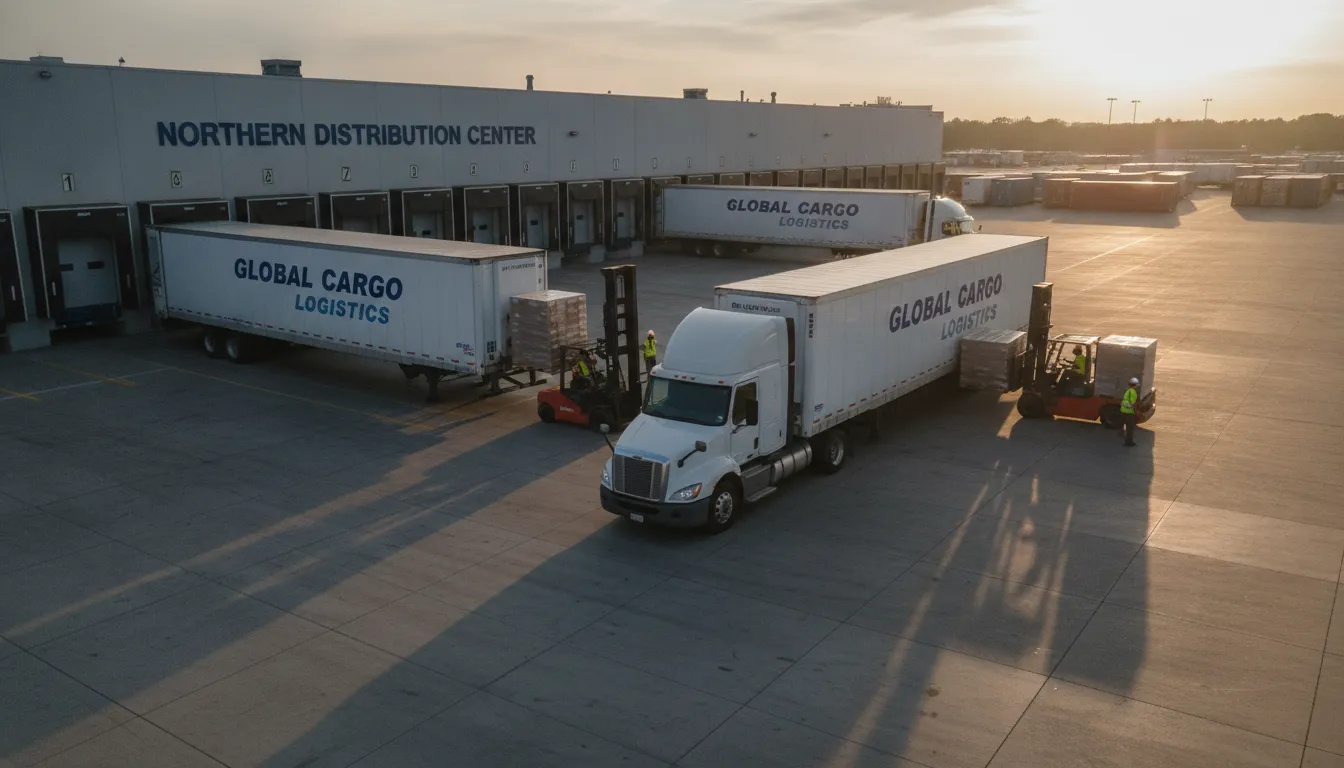
Transit Insurance vs Cargo Insurance Explained
One accident on a rain-slicked highway can destroy a small delivery fleet’s entire monthly revenue. You must know exactly how your policy protects the goods inside your trucks. This clarity prevents expensive gaps that could threaten your business.
Transit insurance vs cargo insurance is a choice that often confuses fleet owners because both policies protect items in motion. Transit insurance mostly covers goods against damage or loss while in normal transport between places. This coverage can be changed to meet the exact needs of your business. Cargo insurance is more focused and protects the real goods from theft, loss, or damage during transport. Many in the industry use these terms in the same way, but they differ in scope and who they protect. While cargo insurance often forms part of a larger transit policy, it focuses only on the risk of sudden loss of cargo. Knowing these differences ensures that owners do not face high out-of-pocket costs when a shipment is damaged or stolen while on the road.
Small business owners must recognize where one policy ends and the other begins to avoid costly coverage gaps. Choosing the right protection starts by answering the most basic question: What Is Cargo Insurance? The path to securing your fleet begins with these core facts.
What Is Cargo Insurance?
Cargo insurance is a special plan that protects the items you carry in your trucks or vans. Your truck policy covers the vehicle, but this insurance looks at the goods inside. If those goods get lost, stolen, or damaged during a trip, the policy helps cover the cost. This shifts the money risk from your small business to the insurance provider.
Protecting Your Business Assets
For many fleet owners, the goods they haul are the heart of their business. Whether you run a delivery team or a building crew, you need to keep those items safe. Cargo insurance handles risks like theft, fire, or road damage. Many people ask about transit insurance vs cargo insurance when they start their search. While these terms are close, cargo insurance mainly looks at the value of the items you move.
Think about a delivery van full of tools or a truck carrying home goods. If a crash happens, your commercial auto insurance may pay for the truck repairs. But it usually will not pay for the broken tools or ruined chairs. Cargo plans fill that gap so you do not have to pay your own money for the loss. It acts as a safety net that keeps your business moving forward after a mishap.
Federal Rules and Compliance
In some cases, having this plan is not just a good idea. It is the law. The Federal Motor Carrier Safety Administration (FMCSA) sets rules for certain types of haulers. For example, home goods carriers and freight forwarders must have cargo insurance. These federal rules help keep property safe when it is in the hands of a paid mover.
Specific levels of financial responsibility are set by law in 49 CFR 387.9. These rules vary based on the type of cargo and the weight of the truck. Staying in line with these rules is vital for any fleet owner. If you fail to meet these marks, you could face big fines or lose your right to work. It is always best to check the latest federal guides to see what your fleet needs to stay legal.
Peace of Mind for Fleet Owners
Beyond the legal side, this insurance gives you peace of mind. Knowing that your cargo is safe lets you focus on growing your business. You will not have to worry about a single crash wiping out your gains. At Insurance Underwriters, we help you find the right fit for your fleet. We look at what you carry and where you go to build a plan that works for you.
Bad damage to goods can stop your work and hurt your name with clients. Having the right policy shows your customers that you do your job with care. It builds trust and ensures that you can handle any problem on the road. For small business owners with a few vans or trucks, this level of care is what sets you apart from the rest.
What Is Transit Insurance?
Transit insurance is a type of policy that protects goods while they move from one place to another. Most people in the industry also call it goods-in-transit insurance. It covers your items from the moment they leave your shop until they reach their final stop. This coverage is vital for small business owners who move tools, stock, or customer items. It ensures that a single crash or theft does not lead to a huge financial loss for your firm.
This insurance often covers the entire journey rather than just the items themselves. It can even include parts of your vehicle and help with certain legal risks. Transit insurance acts as a safety net that follows your fleet every mile. It fills the gap between your truck policy and your client’s needs. By having the right plan, you can show your customers that their goods are safe in your hands.
Defining transit coverage
This policy covers your stock as it moves between different sites. It helps pay for costs if items are lost or stolen during a trip. It also covers damage from road mishaps or rough weather. Many people think their basic truck policy will cover their goods. But most fleet insurance policies only pay for damage to the truck itself. Transit insurance is the best way to protect your business assets while they are on the move.
You may need this coverage if you run a delivery service or a trade business. If a van gets into a wreck, the auto policy might fix the van. But without transit coverage, you might have to pay for the broken goods out of your own pocket. This can be a major blow to a small business. A solid policy keeps your cash flow safe and your business running.
Inland marine and domestic transit
One common form of this coverage is called inland marine insurance. While the name sounds like it deals with water, it actually covers goods on land. It is the standard way to protect items moving within the country. This can include cargo in delivery vans or contractor trucks. It provides peace of mind for those who travel across state lines or through busy cities.
This coverage is helpful because it is very broad. It often stays with the goods even when they are not on the truck. For example, it might cover items while they sit in a short-term hub or a warehouse. This full protection is why many fleet owners choose it for their daily work. It is a reliable way to manage the risks of domestic shipping.
Flexible options for fleet owners
You can adjust your transit coverage to fit your specific fleet tasks. You can tailor your plan based on the value of your goods and the distance you drive. For example, a food truck owner might focus on food spoilage. A plumber might focus on high-value tools. Working with an independent broker helps you find the right carrier for your risk level. You don’t have to settle for a plan that does not fit your needs.
Transit Insurance vs Cargo Insurance: Key Differences
Many business owners use the terms transit insurance and cargo insurance the same way. While they are transit insurance related, they differ in scope and who they protect. It is common to see these terms swapped in the trade. But knowing the small gaps between them can save your fleet from a big loss. For most small business owners, the key is to see that one plan covers your items while the other covers your legal duty.
Understanding the Scope of Coverage
The main difference is that commercial auto insurance protects the vehicle, not the items you carry inside. You must tell the gap between coverage for the truck and coverage for the contents to avoid a loss. Cargo insurance protects the goods from theft, loss, or damage during a trip. It shifts the risk of loss from the owner to the insurer.
Transit insurance covers goods while they move between places. It often covers the items during the normal course of travel. For many local delivery fleets, this coverage helps ensure that random damage does not stop your daily work. If you run a regular route, having a clear plan on how your goods are covered will help you avoid fights with your clients later on.
| Feature | Transit Insurance | Cargo Insurance |
|---|---|---|
| What is covered | Goods in transit between specific points. | Specific assets from theft or damage. |
| Who it protects | Mainly the owner of the goods. | The carrier’s legal duty for assets. |
| When it applies | During the normal course of transport. | While in the carrier’s care or control. |
| Legal rules | Driven by client contracts. | Needed for many freight forwarders. |
| Exclusions | High-risk items like cash or jewelry. | Improper packing or theft by employees. |
Comparing Legal and Contractual Roles
Legal duty for cargo is a major area of concern for anyone who drives for a living. Motor truck cargo insurance is for trucking firms to cover their duty for goods in their care. The law often sets low levels for this coverage for specific haulers. For example, federal rules in 49 CFR 387.9 show the levels of money duty needed for some motor carriers. Knowing these rules helps you pick the right fleet insurance policy for your fleet.
Cargo duty can also have limits based on what you carry. Some high-risk goods might be left out unless you add a specific rider to your plan. A broker can help you find a plan that fits your exact risk profile. This way, you do not pay for coverage you do not need, but you stay safe from the most likely risks to your cargo.
Bridging the Gaps in Fleet Protection
Think about a delivery van that parks at a hub for the night. Cargo insurance covers the packages inside while they are in the hauler’s care. But what if a gap in the contract means the goods are not “in transit” while the van is parked? This is where having both types of coverage helps. It ensures that no matter where the goods sit, a plan protects their value.
Fleet owners should check their plans for these small gaps. A good risk plan uses tools like vehicle tracking to keep cargo safe and can even help lower your costs. By using a mix of transit and cargo plans, you can build a strong shield for your business items. This gives you peace of mind so you can focus on growing your fleet and serving your people.
Why Commercial Auto Insurance Isnt Enough for Fleet Owners
Commercial auto insurance keeps your trucks on the road. It covers the costs if your driver hits another car or a building. But many fleet owners do not know that this policy often fails to protect the items inside the truck. There is a large gap between covering a vehicle and covering its load. If a van carrying client goods crashes, your insurer might fix the van but leave you to pay for the lost cargo. This is why you must know the difference between your vehicle policy and your cargo policy.
Understanding the gap
Standard commercial auto insurance coverage is built for the machine, not the goods. It handles legal costs and repairs after a crash. But these plans often exclude the value of the items being moved. If you run a delivery service or a moving company, your biggest risk is often the cargo itself. A single theft or fire could cost your business thousands of dollars if you only have auto liability. You need a special policy to keep those assets safe while they are on the move.
When you weigh transit insurance vs cargo insurance, look at what you carry. Transit insurance covers goods between places, while cargo insurance is more about the items themselves. Both options fill the holes left by your main auto plan. They ensure that your business stays safe even if the contents of your truck are lost or broken. Without this extra layer, a small mishap on the road could lead to a big bill for your fleet.
Safety at distribution hubs and warehouses
The risk to your goods does not end when the truck stops moving. In fact, many losses happen when a vehicle is parked or during the loading process. A standard auto policy often stops giving coverage once the cargo is still at a distribution hub. If a fire starts in a storage yard, your vehicle insurance will not cover the goods inside the trailer. This is a common pain point for fleet owners who manage long routes or multi-stop trips.
Transit insurance is designed to cover these idle moments. It protects your goods while they wait for the next part of the journey. This includes time spent on loading docks or in short-term storage. Based on the Federal Motor Carrier Safety Administration, property loss or damage during these stages can be costly. Having the right policy ensures that your goods are safe from the moment they leave the shelf until they reach the final user.
Federal rules and transit liability
Certain businesses must carry specific coverage by federal law. For example, the FMCSA requires freight forwarders and household goods carriers to have cargo insurance. These rules protect the people who hire you to move their things. If you do not follow these rules, you could face heavy fines or lose your right to operate. It is not just about safety; it is about staying legal in a complex industry. Even if the law does not require it for your specific fleet, most clients will ask for proof of cargo coverage before they sign a contract.
For small fleets, having the right transit liability is a smart business move. It shows your clients that you are a pro who takes their assets seriously. It also protects your bottom line from the high cost of sudden loss. Whether you use transit insurance or a full cargo plan, the goal is the same. You want to make sure a single bad day on the road does not put your whole fleet out of business. Talk to an expert to find the best fit for your specific trucks and cargo types.
When Your Fleet Needs Both Policies
Most small business owners know they need to protect their trucks and vans. But many do not realize that protecting the truck is only half the battle. If your fleet moves goods for other people, you often need both transit and cargo insurance to stay safe from money loss.
Why property insurance is not enough
You might think your main business policy covers your goods while they are on the road. But most commercial property insurance only covers buildings or items at one spot. It does not usually protect assets while they are on the move from place to place. According to the California Department of Insurance, property insurance is different from the coverage needed for goods in transit. This gap can leave your business open to high costs if a load is lost or stolen during a trip.
Cargo insurance is a key part of a full risk plan for any fleet that moves goods. It fills the hole left by your main policy. While commercial auto insurance protects the truck, cargo coverage looks after what is inside. Having both ensures that one crash does not wipe out your profit for the month.
Protect your client relationships
For small fleet owners, clear cargo coverage is about more than just money. It helps you keep your clients happy. If a shipment arrives damaged, a fight over who pays can ruin a long-term bond. Having a clear policy on cargo coverage helps prevent these client disputes. It shows your customers that you take their items seriously. It also shows you have a plan to make things right if something goes wrong. This trust is key to growing a loyal fan base in a crowded market.
Real world fleet examples
Think about a food service fleet that delivers to local cafes. The business needs transit coverage for the delivery vans themselves. But the food products inside are the actual cargo. If a cold van breaks down, the cargo policy covers the cost of the spoiled food. Without it, the owner would have to pay for the lost goods out of their own pocket. At Insurance Underwriters, we offer an umbrella approach. This lets you put all your fleet needs under one plan. It makes your work easier and ensures you have the right shield for every mile.
How to Choose the Right Transit and Cargo Coverage for Your Fleet
Picking the right insurance for your goods is a key step for any fleet owner. While standard plans protect your trucks, they often leave the items inside at risk. Proper cargo insurance ensures that damage does not stop your work, as noted in our fleet insurance policy guide. Use these steps to find the best fit for your needs.
Audit your transport needs
Start by looking at what you carry. The value of your loads tells you how much coverage you need to buy. High value items like tech gear need more help than bulk goods. You should also think about the risk of your routes. According to federal rules in 49 CFR 387.9, some carriers must meet set financial levels for their cargo insurance. Making your transit insurance fit your fleet helps you avoid paying for things you do not use.
Assess your risk points
Think about where your goods spend their time. Risks change if your trucks park at hubs or warehouses overnight. Check your current auto plan for any cargo gaps that might leave you open to loss. A local broker can help you compare transit and cargo quotes to find the best deal for your fleet. As your business grows, you should review these plans each year to make sure your limits still match your load values.
- Audit what goods you transport and their value. Know the total cost of a full load to set your limits well.
- Check your commercial auto policy for cargo exclusions. Most basic plans do not cover the goods if the truck crashes or is stolen.
- Evaluate whether vehicles park at distribution hubs or warehouses. Some plans only cover goods while they are moving on the road.
- Compare transit and cargo quotes from an independent broker. Working with an expert lets you see options from many firms.
- Document and inventory your cargo for the claims process. Keeping clear records is needed for fast and exact claim reports.
- Review annually as your fleet grows. Make sure your insurance keeps up with new trucks and new types of cargo.
Keep accurate records
If something goes wrong, you will need to prove what was lost. Good records and lists are needed for fast and exact claim reports for cargo losses. Keep files of all manifests in a safe spot. This helps the claims move much faster. It also helps you spot trends in damage so you can fix issues before they cost you more money.
Frequently Asked Questions
Is cargo insurance mandatory for commercial fleet owners?
Based on the FMCSA, household goods carriers and freight forwarders must have cargo insurance by law. For other fleet owners, it often rests on the cargo type or your client deals. Even if not needed, this policy is a key way to protect your work. It covers you if goods get lost or hurt on the road.
Does commercial auto insurance cover the goods inside the truck?
No, your business auto policy usually only pays for damage to the truck or for harm you cause to others. It does not pay for the goods or gear you carry inside the cab. You need a new cargo or transit policy to protect your freight. This ensures you do not have to pay for a ruined load out of your own pocket.
What is the difference between inland marine and transit insurance?
These terms are very similar, but inland marine is a broad group that includes transit insurance. As noted by the California Department of Insurance, inland marine covers goods moving over land or stored in short spots. Transit insurance is the exact part of that policy that protects items while they are in a van. Most fleet owners use these plans to cover tools that move from site to site.
How do insurance companies decide the cost of transit insurance?
Brokers look at a few things to find your rate. They check the types of goods you haul, how far you travel, and the safety steps you take. For example, using tools that track your fleet can lower your price. Long trips often cost more because there is a higher chance of a crash. Talking to an expert helps you get the right cost for your exact fleet risk.
Are you ready to secure your fleet and cargo?
One missing plan can put your whole fleet at risk. If you wait until a loss happens, you may face costs that your budget cannot handle. The time to fix gaps in your transit and cargo plans is before your next truck leaves the yard. We help you find the right mix of plans so you can focus on your work. Our team knows the needs of small business owners who rely on commercial auto insurance to stay moving. We make the work fast and clear. You will get the peace of mind that comes from knowing your goods are safe. Let us take the stress out of your insurance choices today.
Ready to start? Call (786) 344-9343 to schedule a free fleet insurance consultation.
Comments
Comments are closed.