
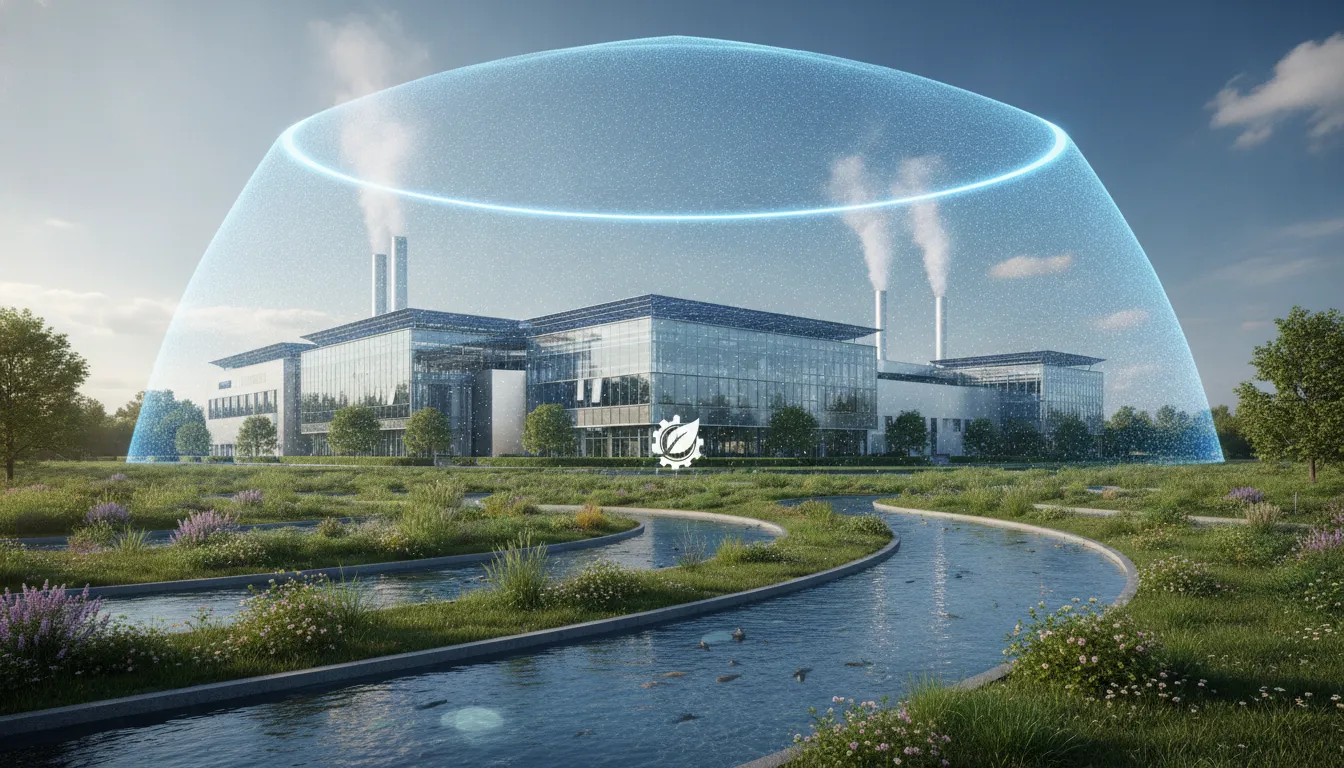
Environmental Liability Insurance for Businesses
A single pollution spill can cost a small business millions in clean-up and legal fees, and even a minor accident can expose gaps in standard policies. Environmental liability insurance helps protect the business from those potentially devastating pollution-related costs.
Explore commercial insurance options for your business.
What is environmental liability insurance?
Environmental liability insurance covers pollution cleanup costs, legal defense, bodily injury, and property damage that standard business policies often exclude. It can respond to sudden spills or gradual leaks, helping a company protect its assets, satisfy contractual requirements, and recover without absorbing the full financial impact.
Filling the pollution gap
Regular business plans focus on basic risks like slips and falls. They rarely cover the release of oil or waste. These plans often have a rule that stops pollution cover. This means if your business causes a leak, you may have to pay for it all yourself. Without a special policy, a small spill can lead to huge debt for your company.
Environmental liability insurance is a key tool to help manage business risk. It pays for the high cost of cleaning up soil or water. This is why many firms make it a core part of their safety plan. It helps ensure that a spill does not end your work. Having this plan shows that your company takes care of the local area.
What does this policy cover?
The main part of this cover is for clean-up. If a leak happens, you must act fast to stop the harm. The policy pays for the experts and tools needed to clean the site. It also covers bodily harm and property damage to others. For example, if a leak ruins a neighbor’s water well, this insurance would pay the cost.
The policy also pays for legal fees. If someone sues your firm, the plan pays for your lawyers and court costs. These fees can be very high, even if you did nothing wrong. The policy also covers damage to trees, fish, and birds. Many plans cover both sudden spills and slow leaks that happen over many years.
Protecting your business assets
For many companies, this insurance is a vital part of commercial package policy. Some firms, like those that store waste, must have this cover to follow legal rules. But even if the law does not ask for it, a contract might. Many banks want to see this cover before they lend money to a business.
The cost of a plan depends on your risk level. A broker will look at your site and how you work. You can often change the plan to fit your exact needs. This means you can cover specific chemicals that are part of your job. In the end, this insurance gives you peace of mind. It keeps your money safe from events you cannot foresee.
What does pollution liability coverage include?
Pollution liability coverage typically includes cleanup and remediation expenses, third-party bodily injury and property damage claims, and legal defense costs. Depending on the policy, it may also address natural resource damage, emergency response, business interruption, and pollution incidents discovered at a covered site or project.
Costs for clean-up and remediation
The most common part of this coverage is the cost to clean up a spill. If your business leaks oil or chemicals, you must fix the mess. This work often involves digging up soil or cleaning water sources. These steps are not just helpful; they are often required by law. Government groups may set strict rules on how you must clean a site. Meeting these rules can cost a lot of money and take weeks of work.
Remediation goes beyond just the first clean-up. It also includes the cost of putting the land or water back to its old state. You might need to test the soil many times to show it is safe. This coverage pays for the experts who do these tests. It also covers the tools and labor needed for the job. Without environmental liability insurance, these costs could lead to huge debts for your company.
Bodily injury and property damage
Pollution can harm more than just the land. It can also hurt people and their property. If a leak gets into the local water, people might get sick. This can lead to big claims for medical bills and lost wages. Your policy helps pay for these costs so you do not have to pay them from your own funds. It also covers the cost of long-term health checks for people who were near the spill.
Property damage is another big risk. A spill on your site might spread to the land next door. If it ruins a neighbor’s crops or kills their fish, you will be held liable. The policy helps pay for these losses. It can also cover damage to natural resources like parks or rivers. These cases often come with high price tags. Many business risk management plans use this coverage to avoid such large losses.
Legal defense and other benefits
If someone sues your business over a spill, you will need a lawyer. Legal fees can add up fast, even if you win the case. This insurance pays for your defense in court. It covers the cost of expert witnesses and filing fees. This help is vital because many general liability insurance exclusions leave you with no help for pollution claims. Having a separate policy ensures you have the support you need when a lawsuit starts.
Some policies also offer help with lost income. If a spill forces you to shut down, you lose money every day. This part of the coverage helps pay for your basic costs while you are closed. It can also pay for the cost of moving your work to a new spot for a short time. These benefits help your business stay afloat during a hard time. Talking to a pro can help you find the right level of safety for your unique needs.
Types of environmental liability policies compared
Environmental liability policies are designed for different exposures. Site-specific coverage protects fixed locations, contractor’s pollution liability addresses work performed at job sites, and pollution legal liability responds to third-party claims. Transportation, lender, and storage-tank policies can cover narrower risks that a general environmental policy may not fully address.
Site specific coverage options
Site specific plans protect you from risks at one fixed place. This is a good choice for owners of plants, labs, or warehouses. It covers the cost to clean up if a spill happens on your land. It also helps if waste moves to a neighbor’s lot. These plans stay with the land even if the work changes over time. They are built to handle the unique risks of a specific site.
These plans deal with two main types of events. First, they cover sudden spills, like when a tank bursts. Second, they cover slow leaks that happen over a long time. This is vital because basic general liability insurance exclusions often leave out these risks. If you do not have a separate plan, you may have to pay for the cleanup with your own cash. The EPA notes that firms dealing with harmful waste must follow strict rules for this protection.
Pollution legal liability and contractors
Pollution legal liability (PLL) is a broad and helpful tool. It protects you from third party claims for bodily harm or property damage. It often includes help for legal defense costs. This is helpful for firms in fields that the state monitors closely. Choosing the right plan helps keep your company stable during a crisis. It ensures that one mistake does not shut down your whole shop. It can also help you meet the terms of a new lease or work contract.
Contractors need a different kind of help for their work. Contractor’s pollution liability (CPL) covers risks while you work at a job site. It protects you if your work causes a leak or a spill. This is a key part of managing contractor liability risks. It ensures you do not have to pay for big cleanup costs on your own. Many clients will not hire you unless you show proof of this plan. It covers you as you move from one project to the next.
| Policy Type | Primary Focus | Common Users | Main Benefit |
|---|---|---|---|
| Site-Specific | Fixed locations | Property owners | Covers old and new spills |
| Contractor’s Pollution | Job site work | Construction firms | Protects during projects |
| Pollution Legal Liability | Third-party claims | Factory owners | Covers legal defense fees |
| Lender Environmental | Loan collateral | Banks and lenders | Protects the loan value |
| Transportation Pollution | Cargo in transit | Trucking fleets | Covers spills on the road |
Using the right plan helps with more than just risk. Data from health experts shows that these tools help firms manage daily risks. They also help track how a firm affects the earth. This makes the business more reliable for the long term. It can even help you get better terms from a bank or a new partner. Having proof of a good plan shows you are a safe and smart owner.
You should talk to an expert to find the best fit for your shop. A broker can look at your exact risks and find gaps. They can help you pick the right limits and terms for your budget. This ensures you have full protection without paying for things you do not need. To start your check, you can talk to an agent or get a quote today. They will guide you through the steps to secure your firm’s future.
Which businesses need environmental liability insurance?
Businesses that handle, transport, store, or dispose of fuel, chemicals, or waste should consider environmental liability insurance. It is also valuable for contractors, manufacturers, property owners, and real estate developers whose work could disturb existing contamination or cause a release that harms people, property, soil, or water.
Firms that work with oils, chemicals, or waste need this extra help. It covers claims from other people who say your firm hurt their land. It also pays to fix the soil or water if a spill happens. This plan gives you the safety you need to run your shop each day.
Industrial and manufacturing shops
Factories and shops that make goods face high risks every day. They often use large amounts of liquids and chemicals in their work. A broken pipe or a tipped drum can cause a lot of harm very fast. This can lead to high costs for fixing the soil or local water.
Research shows that environmental liability insurance is a key tool for a firm’s health. It helps a shop stay stable even when an accident happens. Good business risk management involves looking at every possible threat. For a plant, a pollution event is one of the biggest threats to the bottom line.
Industrial shops must also think about slow leaks that happen over many years. A good plan will cover both quick spills and gradual issues. This ensures that the shop is safe no matter how the event occurs. Owners should talk to an expert to find a plan that fits their needs.
Builders and real estate owners
Teams that work in construction face many surprises under the ground. A crew might dig up an old tank or move dirt that has old chemicals in it. These contractor liability risks are hard to predict but easy to insure. A specialized plan protects the owner from these hidden costs.
Real estate owners must also be careful when they buy new land. If the land has old waste on it, the new owner might be the one who has to pay to fix it. This can cost more than the land itself in some cases. It allows owners to buy and build with less worry about old spills.
Small teams can also benefit from this coverage. Even a plumber might cause a pollution event by accident. For example, a broken fuel line can leak into a drain and reach a river. Having a plan in place keeps a small slip from becoming a major loss.
Fuel storage and waste handlers
Some industries are at much higher risk due to the nature of their work. Gas stations have large tanks of fuel kept under the ground. If these tanks leak, the fuel can move through the earth and ruin the water for miles. The cost to fix this kind of damage is often in the millions.
Firms that handle hazardous waste must also meet strict legal rules. The EPA has set insurance rules for waste sites that owners must follow. These rules make sure that there is money to clean up any messes that occur. Without the right coverage, a waste firm may not be allowed to operate at all.
This coverage also covers the cost of legal help if a neighbor sues the firm. Lawyers can be very expensive, even if the firm did nothing wrong. Having a policy that pays for defense costs is a major win for any high-risk business.
How much does environmental liability insurance cost?
Environmental liability insurance costs vary based on industry, site history, pollutants handled, location, claims record, coverage limits, and deductible. A low-risk operation may pay less than a manufacturer or waste handler. Because carriers assess each exposure individually, a tailored risk review and quote provide the most reliable price.
Key facts that affect your price
Your field of work is the first thing an agent will check. A tech firm has less risk than a plant that uses toxins. But even simple shops like dry cleaners or gas stations have pollution risks. The toxins you use and how you store them matter. If you store fuel in old tanks, your cost may go up. The history of your site also plays a big role. If your land had spills before, firms see it as a high risk. They want to know if old waste still poses a threat today.
Managing your risk and place
Where your business sits is another big part of the cost. If your shop is near a river or a school, a spill could cause more harm. This raises the possible cost of a claim. Firms also look at your safety habits. Having a clear plan to stop leaks can help lower your costs. This is a key part of business risk management for any firm. Good safety steps show carriers that you are careful. This can make them give you a better rate.
Picking your limits and deductibles
The amount of coverage you pick will change the price. Most firms start with a limit of one million dollars. But if your risk is high, you may need more. High-risk firms often need extra coverage to protect their assets. This extra layer kicks in if a big claim goes over your main limit. You should also think about your deductible. A high deductible usually means a lower price. But you must be sure you can pay that cost if a spill happens.
Your claims history is the last big piece of the puzzle. If you have had pollution issues in the past, your rate will be higher. Carriers want to see that you learned from old mistakes. They will check if you fixed the cause of past leaks. A clean record over the last few years helps keep your costs low. It proves to the insurer that your safety steps work well.
The value of a risk review
Before you get a final price, an insurer may ask for a risk review. This check looks at your site and how you run your business. It helps the agent see the real health risks of your work. Research shows that environmental liability insurance helps manage health risks. A good review can even find ways for you to save money. By fixing small risks now, you avoid big costs later. This active move keeps your rates stable over time. Working with an expert broker is the best way to find a fair price. They can compare quotes from many carriers to find the best fit for your budget. Since every business is different, a custom quote is the only way to know your exact cost.
How to choose the right environmental coverage
Choose environmental coverage by identifying pollution risks at every site and project, then matching them to policy triggers, limits, retroactive dates, and exclusions. Compare both sudden and gradual pollution protection, confirm contractual requirements, and work with an experienced broker to uncover gaps before selecting a policy.
Assess your site risks
You need to know what kind of pollution could come from your work. Some firms face a big risk of quick leaks. Others might deal with slow leaks that build up over many years. A good environmental liability insurance plan should cover both types. You should also check if your site sits near a river or a school. Those spots often have more rules you must follow to stay in line with the law.
Check policy triggers
Pollution plans use two main types of triggers. A “claims-made” plan covers you if a claim is filed while the policy is live. An “occurrence” plan covers you if the event happened during the plan dates, even if the claim comes much later. Picking the right one is a big part of business risk management. It helps you stay safe from old mistakes that could cost a lot of money now.
- Find your pollution risks. Look at the tools you use and how you store them. Think about how a leak could hurt the land or the people who live near your shop.
- Look for gaps in old plans. Read your main business plan to see what it leaves out. Most plans do not pay for clean-up costs or fines from the state.
- Choose a trigger type. Decide if you want a claims-made or an occurrence plan. This choice affects how long you stay safe after you stop the work at a site.
- Review the list of gaps. No plan covers every risk. Make sure you know what the plan will not pay for, such as spills that happened long ago.
- Set your coverage limits. Pick a dollar amount that covers a bad spill. Think about health risks and the cost to fix the soil or water.
- Work with a pro agent. Talk to a broker who knows your field. They can find the best rate from over 200 other firms to find the right fit.
Review the fine print
Always read the part of the plan that lists what is not covered. Some plans might not cover certain waste types. For example, firms that deal with hazardous waste must follow strict EPA rules to stay in the clear. Your plan must match those needs so you do not get stuck with a big bill. Getting help from a pro is the best way to make sure your firm stays safe and sound for a long time.
Policy terms and exclusions to review closely
Review the policy’s coverage trigger, retroactive date, reporting deadline, deductible, limits, and sublimits before buying environmental liability insurance. Also examine exclusions for known contamination, specific pollutants, fines, and abandoned property. Clear terms help prevent an unexpected denial when an incident or delayed claim is reported.
Understand the trigger of coverage
Most environmental plans use a claims-made form. This means the plan only pays for claims filed while the plan is active. If a pollution event happened years ago but you just found it, the plan might cover it. But you must have the plan in place when the claim comes in. Many firms prefer this form because it is often cheaper than other types. It is common for business risk management in high-risk fields.
Occurrence plans are different. They cover events that happen while the plan is active. It does not matter when you file the claim as long as the event happened while you had the plan. This type of coverage is hard to find for pollution risks today. Most general liability insurance exclusions mean you need a clear plan for pollution. You should talk to a broker to see which trigger fits your business needs best.
Look for retroactive dates and reporting rules
A retroactive date limits how far back a plan will look. If an event happens before this date, the insurer will not pay for the damage. This date is vital for businesses that have owned a site for a long time. If you switch plans, you must ensure the new plan keeps the old date. Without it, you could lose coverage for years of past work.
You also need to watch the reporting rules. Many plans require you to report a spill or leak right away. If you wait too long, you might lose your right to a claim. Some plans give you a set number of days to tell the insurer about a problem. These rules keep the insurer from paying for old issues that you already knew about before the plan started.
Check for sublimits and clear exclusions
Sublimits cap the amount a plan pays for certain types of loss. For example, a plan might pay one million dollars total but only half that for clean-up costs. You should match these caps to your actual risk levels. Some plans also limit how much they pay for legal fees or lost income. Checking these numbers ensures you have enough money to fix a big problem.
Also, look at what the plan does not cover. Some plans exclude clear chemicals, older tanks, or known pollution sites. The Environmental Protection Agency (EPA) has liability coverage rules for certain waste sites. Meeting these rules helps you stay legal and safe. Checking for these terms ensures your financial health during a crisis. It protects your business from high costs that could lead to failure.
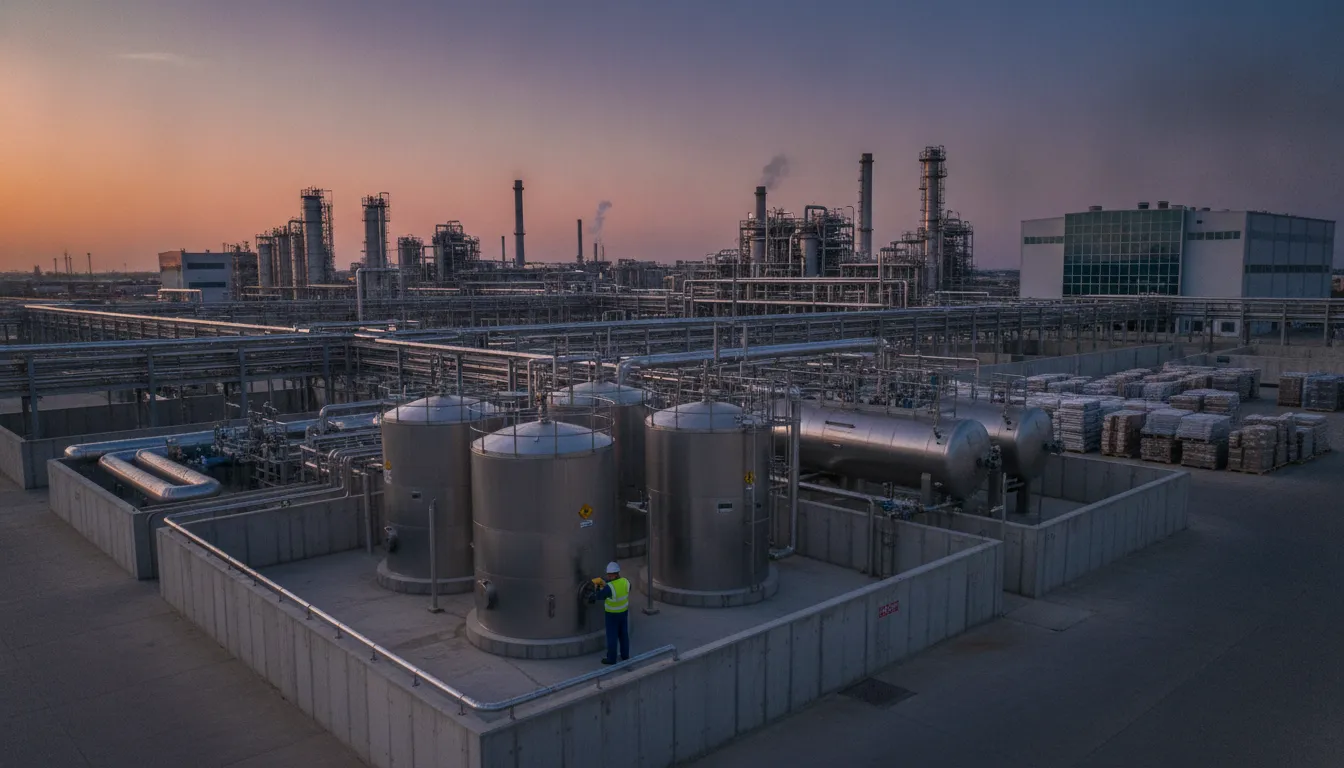
Request help comparing commercial insurance coverage.
Frequently Asked Questions
What does environmental liability insurance cover?
This type of insurance helps pay for the costs of pollution events. It usually covers the clean-up of land or water. It also pays for bodily injury or property damage caused to other people. According to commercial property risk planning, it can even cover legal costs and damage to natural resources. This protection is vital for businesses that work with chemicals or waste. It helps keep a company stable when large claims arise.
Does general liability insurance cover pollution?
Most standard business policies do not cover pollution. They often have rules called exclusions that stop them from paying for environmental damage. Specialized environmental policies are needed to fill these gaps. Insurance Underwriters notes that even extra liability policies usually lack this coverage. Without a separate policy, a business might have to pay for expensive clean-up and legal claims on their own. This could lead to a large loss of money.
Why do businesses need environmental liability insurance?
Businesses need this coverage to protect their money from large pollution claims. Clean-up costs for environmental spills can be very high. These costs could even bankrupt a small company. This insurance helps manage risks to health and how well a company runs. Research from NCBI shows it is a key tool for managing these risks. It gives business owners peace of mind by covering both fast spills and slow leaks.
Is environmental insurance mandatory for businesses?
It is not always required by law for every company. However, the EPA says that some sites, like those handling hazardous waste, must have it. Even when it is not a law, it is often a good idea for managing risk. Highly regulated groups face more rules and may need this coverage to stay in compliance. It is best to talk to a broker to see what your specific business needs to stay safe.
Protect your business from pollution risks
Environmental incidents can create cleanup costs, legal claims, and operational delays that a standard commercial policy may not cover. Insurance Underwriters can help you review your exposures and compare environmental liability options built around your sites, projects, and contracts.
Call 305-900-2823 to request a commercial insurance quote and discuss the coverage your business may need.
Comments
Comments are closed.